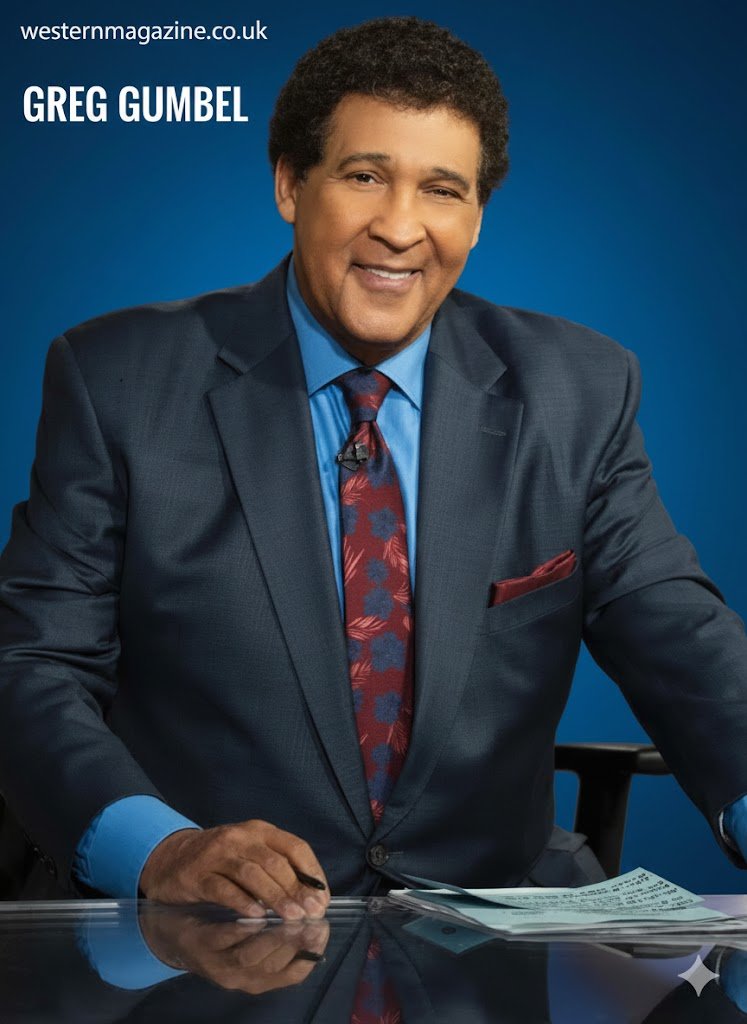
greg gumbel
Greg Gumbel is a name that holds immense weight in the world of sports broadcasting. Known for his calm demeanor, authoritative voice, and incredible versatility, Gumbel became one of the most iconic figures in American sports media over a career that spanned more than five decades. His remarkable ability to deliver major sporting events with clarity and insight made him a household name, admired not only for his professional achievements but also for his integrity and humility.
Greg Gumbel Early Life and Education
Gregory Girard Gumbel was born on May 3, 1946, in New Orleans, Louisiana, to Richard Dunbar Gumbel Jr. and Rhea Alice Lecesne. Raised in Chicago, Illinois, Greg was exposed to sports at a young age. His younger brother, Bryant Gumbel, would later rise to prominence as a well-known television personality, but Greg carved his own path in the field of sports journalism. After graduating from Loras College in Dubuque, Iowa, with a degree in English in 1967, Gumbel’s career began to take shape. While initially pursuing baseball, he quickly shifted his focus to broadcasting, which led him to a long and successful career in television.
Starting His Broadcasting Career greg gumbel
@Greg Gumbel’s journey into broadcasting started in the 1970s when he took a job at WMAQ-TV in Chicago as a weekend sports anchor. During these early years, Gumbel faced significant challenges, including battling stage fright. However, with time and experience, he found his rhythm and began earning recognition for his smooth delivery and calm presence on air. His work in Chicago quickly helped him establish himself as a rising star in sports journalism, eventually winning a local Emmy for his outstanding reporting.
His growing reputation led to opportunities beyond Chicago, including stints at WFAN Radio in New York and the Madison Square Garden Network, where he covered prominent teams such as the New York Knicks and New York Yankees. These early roles helped shape Gumbel into the versatile broadcaster he would become, laying the foundation for the landmark moments in his career.
National Exposure: ESPN and CBS
In 1981, Greg Gumbel’s joined ESPN, where he became one of the original anchors of SportsCenter. His role at ESPN allowed him to reach a national audience for the first time, marking the beginning of his rise to prominence. His calm and measured tone on air quickly won over viewers, and his ability to explain complex sports moments in an easy-to-understand manner made him a favorite among fans. During his time at ESPN, Gumbel was recognized for his ability to cover a variety of sports and events, from professional leagues to college tournaments.
In 1988, Gumbel took his career to the next level by joining CBS Sports, where he became an integral part of the network’s sports coverage. Over the years, he covered major events such as the NFL, NCAA Basketball Tournament, Olympic Games, and MLB Playoffs. He became particularly known for his coverage of Super Bowl XXXV in 2001, when he became the first African-American broadcaster to call the play-by-play for the prestigious event. This historic moment solidified his place as one of the industry’s trailblazers and earned him widespread respect from both colleagues and fans.
Greg Gumbel Style and Achievements in Broadcasting
Greg Gumbel’s broadcasting style was marked by his professionalism, versatility, and clarity. Known for his calm and authoritative voice, Gumbel could narrate high-stakes events with precision and poise, making complex moments understandable to both diehard sports fans and casual viewers alike. His steady presence behind the microphone allowed viewers to feel confident in the information being presented, whether it was a tense moment during the Super Bowl or a dramatic NCAA basketball game.
Over the years, Gumbel earned numerous accolades for his contributions to sports broadcasting, including three Emmy Awards for his work in the industry. His recognition as the first African-American to call a Super Bowl was another landmark achievement that cemented his status as one of the most respected figures in the business. Gumbel’s time as the host of March Madness Selection Sunday and his role as the lead play-by-play announcer for NFL games made him a key figure in sports television for decades.
Personal Life and Family
Outside of his professional achievements, Greg Gumbel’s personal life reflected his dedication to his family and his commitment to maintaining a private, low-key existence. He married Marcy Kaczynski in 1976, and the couple had one daughter, Michelle. Despite the public nature of his career, Gumbel remained relatively private about his personal life, choosing instead to focus on his work. Colleagues and friends alike admired his quiet humility, integrity, and the high standards he set for himself both in his professional and personal life.
Greg Gumbel Battle with Pancreatic Cancer
Greg Gumbel’s life was cut short by pancreatic cancer, a disease that he fought with incredible bravery. In December 2024, after battling the illness for some time, Gumbel passed away at the age of 78. He died at his home in Davie, Florida, surrounded by his family and loved ones. His death was met with an outpouring of tributes from across the sports world, with colleagues, friends, and fans honoring his legacy. Despite the pain of his illness, Gumbel faced his final days with the same dignity and grace that had defined his entire career. His passing marked the end of an era in sports broadcasting, but his contributions to the industry would never be forgotten.
Greg Gumbel Net Worth
By the time of his passing, Greg Gumbel had accumulated a significant fortune, with an estimated net worth of $16 million. This wealth came as a result of his long and successful career in sports broadcasting, including his work at major networks like CBS, NBC, and ESPN. Gumbel’s broadcasting contracts, along with his coverage of high-profile events like the Super Bowl, NCAA Basketball Tournament, and Olympic Games, played a significant role in his financial success. His ability to adapt to a variety of sports and deliver top-tier coverage helped him command impressive salaries throughout his career.
In addition to his broadcasting salary, Gumbel’s wealth was bolstered by his participation in speaking engagements and personal appearances. As one of the most well-respected figures in sports media, his influence extended beyond the screen and into other opportunities that helped secure his financial standing.
Legacy and Impact on Sports Broadcasting
Greg Gumbel’s impact on the world of sports broadcasting is undeniable. He is remembered not only for his incredible skill and professionalism but also for breaking barriers in an industry that was, at the time, largely dominated by white broadcasters. As one of the first African-Americans to reach the highest levels of sports media, Gumbel’s career inspired countless others to follow in his footsteps. His pioneering work in sports broadcasting helped shape the industry and pave the way for greater diversity and inclusion.
Beyond his professional accomplishments, Gumbel was a mentor to many younger broadcasters. His advice, generosity, and commitment to his craft inspired countless individuals to strive for excellence in sports media. His influence continues to be felt today, as broadcasters carry forward the lessons he taught about the importance of professionalism, clarity, and integrity in their work.
Conclusion
Greg Gumbel’s life and career were a testament to the power of perseverance, professionalism, and passion for sports. From his early days as a local sports anchor in Chicago to becoming one of the most iconic voices in the history of American sports television, Gumbel’s contributions to the industry are immeasurable. His legacy as a trailblazer in African-American sports broadcasting, as well as his ability to connect with audiences across the country, ensures that he will be remembered as one of the greats in the world of sports media.
Although his death in 2024 marked the end of an era, Greg Gumbel’s impact on sports broadcasting and his legacy as a pioneering figure will continue to inspire future generations of broadcasters.
About the Author