Semana Santa 2026
Semana Santa 2026, or Holy Week, is one of the most important and revered religious observances in the Christian calendar. It commemorates the final days of Jesus Christ’s life, including His suffering, crucifixion, death, and resurrection. In 2026, Semana Santa runs from Sunday, March 29 to Sunday, April 5, culminating in Easter Sunday, the celebration of Jesus’ resurrection.
This article will explore the significance of Semana Santa 2026, how it is celebrated around the world, the traditions associated with it, the best destinations to visit during this period, and everything you need to know to fully appreciate this special occasion.
What is Semana Santa 2026?
Semana Santa, which translates to Holy Week, marks the final week of Lent in the Christian liturgical calendar and begins on Palm Sunday and ends on Easter Sunday. This week commemorates the Passion of Christ, which includes significant events from the Triumphal Entry (when Jesus entered Jerusalem on a donkey) to His Last Supper, the Crucifixion, and Resurrection.
While the main events of the Holy Week are deeply spiritual for Christians worldwide, it is also a cultural celebration, especially in countries like Spain, Guatemala, Mexico, and Italy, where religious rituals blend with rich cultural heritage.
When is Semana Santa 2026?
In 2026, Semana Santa will be observed from March 29 to April 5. The key dates include:
- Palm Sunday: March 29, 2026
- Holy Monday to Holy Wednesday: March 30 to April 1, 2026
- Maundy Thursday: April 2, 2026
- Good Friday: April 3, 2026
- Holy Saturday: April 4, 2026
- Easter Sunday: April 5, 2026
The dates for Semana Santa shift each year depending on the ecclesiastical calendar, but the essence of the celebration remains consistent across centuries.
History and Origins of Semana Santa 2026
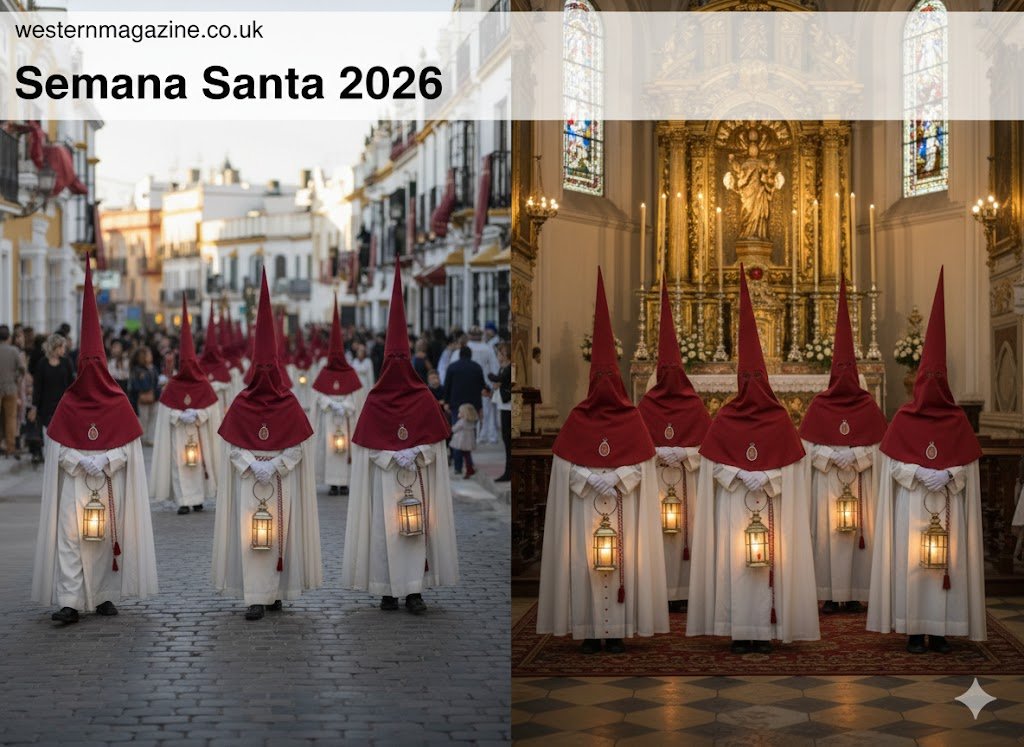
The origins of Semana Santa can be traced back to the Middle Ages, when religious brotherhoods (cofradías) in Spain began to organize processions to mark the Passion of Christ. These processions were often led by people dressed in penitential robes (known as nazarenos), carrying statues or representations of Jesus Christ, the Virgin Mary, or other saints.
The tradition of processions and penitence spread across the Catholic world, notably influencing Latin American countries during the Spanish colonization. Today, Semana Santa is not only a religious observance but also a significant cultural and tourist event, particularly in countries like Spain, Guatemala, and Mexico.
How is Semana Santa 2026 Celebrated Around the World?
Spain: The Heart of Semana Santa Celebrations
Spain is perhaps the most famous country for Semana Santa, with each region celebrating the occasion in its own unique way. Some of the most notable celebrations occur in Seville, Málaga, and Córdoba in Andalusia, where Semana Santa processions draw thousands of tourists and locals alike.
- Seville: The city is known for its elaborate processions, where cofradías carry religious statues through the streets, accompanied by bands playing solemn music. The most famous procession is the “La Madrugá” on the night of Good Friday, featuring grand floats and a deep sense of spirituality.
- Málaga: In this coastal city, the processions are famous for their dramatic size and the weight of the religious floats, which are carried by costaleros on their shoulders.
- Córdoba: In Córdoba, the Semana Santa celebrations are deeply rooted in Arab and Christian traditions, making them a unique blend of two cultures.
These processions are often accompanied by traditional religious music and chants, creating an emotionally charged atmosphere throughout the city. In addition to the religious observances, local markets and traditional foods like torrijas (a Spanish version of French toast) are common during the week.
Guatemala: Colorful and Devotional
In Antigua Guatemala, @Semana Santa celebrations are particularly vibrant. This UNESCO World Heritage city is renowned for its sawdust carpets (alfombras de aserrín), which are intricately designed by locals using colored sawdust, flowers, and other materials. These carpets decorate the streets where processions will pass.
The processions in Antigua feature large floats depicting scenes from the Passion of Christ, carried through the streets by local men and women dressed in purple robes. The entire town comes alive with devotion, and thousands of visitors attend each year to witness the emotional and religious significance of the occasion.
Mexico: A Blend of Faith and Culture
In Mexico, Semana Santa is observed with great reverence, especially in cities like Oaxaca, Taxco, and Guadalajara. The celebrations vary by region, but they typically include:
- Masses and religious processions
- Passion plays depicting the Crucifixion of Christ
- Traditional foods like bacalao (salted cod) and torrijas
Mexico also holds special Easter parades in coastal areas like Puerto Vallarta and Cabo San Lucas, where the holiday is both a religious and a cultural celebration.
Italy & Vatican City: A Pilgrimage to the Heart of Catholicism
In Italy, particularly in Rome, the celebration of Semana Santa holds great significance. The Pope conducts several important masses during this time, including the Papal Mass on Easter Sunday at St. Peter’s Basilica. Additionally, the Stations of the Cross are held at the Colosseum, attracting thousands of pilgrims and tourists.
Other cities in Italy, such as Florence and Naples, have their own unique celebrations, including processions, Easter feasts, and religious rites.
Semana Santa 2026 Key Traditions and Religious Observances
Semana Santa is full of powerful and meaningful rituals, each day of the week bringing its own unique traditions:
Palm Sunday (March 29, 2026)
Palm Sunday commemorates Jesus’ triumphal entry into Jerusalem, when crowds waved palm branches. In many countries, palms are blessed in churches and carried in processions. The celebration marks the start of the Holy Week and sets the tone for the days that follow.
Maundy Thursday (April 2, 2026)
This day commemorates the Last Supper of Jesus Christ with His disciples. It is a day of reflection and gratitude for the sacrifice made by Jesus, marking the institution of the Eucharist (Holy Communion). Many Christian communities hold mass and foot washing ceremonies on this day.
Good Friday (April 3, 2026)
Good Friday marks the day of Jesus Christ’s crucifixion. This day is observed with somber processions, Vía Crucis (Stations of the Cross), and the reading of the Passion narrative from the Gospels.
Holy Saturday (April 4, 2026)
A day of mourning and waiting, Holy Saturday is a time for reflection and anticipation of the resurrection. In some places, Easter Vigil services are held in the evening, symbolizing the beginning of the joy of Easter.
Easter Sunday (April 5, 2026)
Easter Sunday celebrates the resurrection of Jesus Christ. It is a day of joy, feasts, and celebration. In many countries, mass is followed by large gatherings, family meals, and festive traditions like egg hunts and special Easter foods.
Best Destinations to Experience Semana Santa 2026
Spain
- Seville – Known for its grand processions and historical significance.
- Málaga – Famous for the sheer size and weight of the floats carried by locals.
- Granada – Offers a mix of Muslim, Jewish, and Christian traditions.
- Madrid – A city with a mix of cultural events and solemn observances.
Antigua Guatemala
- Experience the colorful sawdust carpets and passion plays that evoke deep emotions.
Mexico
- Oaxaca – Rich in indigenous and Spanish traditions.
- Puerto Vallarta – A beach destination with a spiritual twist.
Italy & Vatican City
- Rome – Participate in or watch the Papal Mass and Stations of the Cross.
Cultural Elements: Music, Food, Semana Santa 2026 and Rituals
Music and Marches
The music of Semana Santa is an integral part of the experience. Marching bands play solemn tunes, especially in Spain, creating a deeply reflective atmosphere during the processions.
Traditional Foods
Semana Santa is also a time for traditional foods:
- Spain – Torrijas and Potaje de Vigilia (a traditional Spanish stew).
- Mexico – Torrijas and bacalao (salted cod).
- Italy – Easter bread and lamb dishes.
Rituals and Garb
From the Nazarenos (penitents dressed in hooded robes) to the Alfombras (decorative street carpets), the rituals are both religious and symbolic.
Travel Tips for Semana Santa 2026
- Book early: Semana Santa is a major holiday period, especially in popular destinations like Spain, Antigua, and Mexico.
- Plan for crowds: Expect large crowds at popular processions, so plan accordingly.
- Respect local customs: This is a solemn religious event, so be mindful of the customs and traditions in each location.
Conclusion
Semana Santa 2026 is an exciting and profound event for both religious devotees and cultural enthusiasts. Whether you plan to experience it in Spain’s historic cities, Guatemala’s colorful processions, or Mexico’s vibrant celebrations, this Holy Week offers an unforgettable mix of spiritual devotion and cultural immersion.
For those who seek to connect with their faith or learn about different religious traditions, Semana Santa 2026 offers the perfect opportunity for reflection, reverence, and celebration.
About the Author