Lobotomy Piercing
1. Introduction: What is a Lobotomy Piercing?
A lobotomy piercing is an unconventional and dramatic form of body modification that has been gaining attention in recent years within the world of body art. Despite the alarming name, it is not related to the medical procedure known as lobotomy. The term “lobotomy” in this context refers more to its provocative placement on the head and its metaphorical connection to the controversial brain surgery, rather than any actual medical intervention.
In essence, a lobotomy piercing is a surface piercing, typically performed in the forehead or temple area, near the ears, or on the upper side of the head. The jewelry is usually inserted through the surface of the skin and anchored securely, creating a striking visual statement. This piercing has become popular in the body modification community for its bold appearance and cultural significance, particularly among individuals who embrace edgy aesthetics and unconventional forms of self-expression.
Although the name can evoke discomfort due to its historical associations with medical procedures, the piercing itself is purely aesthetic and involves no actual surgical procedures to the brain or nervous system. It is merely a decorative body modification.
2. The History Behind Lobotomy Piercing
The term “lobotomy” originally referred to a neurosurgical procedure that became infamous in the mid-20th century. This operation involved severing connections in the frontal lobe of the brain and was used as a method of treating severe mental illnesses, such as schizophrenia, depression, and anxiety. The procedure was controversial and widely criticized due to its often devastating effects on patients, leading to cognitive and emotional changes that were frequently permanent and irreversible.
Over time, the practice of lobotomy was abandoned in favor of more humane and effective psychiatric treatments. The name “lobotomy,” however, has remained in the cultural lexicon, often as a symbol of outdated, brutal medical practices.
In the world of body modification, piercing artists chose to use the term “lobotomy piercing” to describe a dramatic and visually striking form of surface piercing that mimics the placement of the brain surgery but without any connection to the actual procedure. Its bold and edgy name appeals to those in the body modification community who want to make a statement or embrace a certain level of shock value. The term adds intrigue and drama to the body art, while still being entirely safe when performed by a professional piercer.
3. Why Is It Called a Lobotomy Piercing?
The name “lobotomy” serves as a cultural reference rather than a literal one. A lobotomy piercing doesn’t involve the brain, but its placement in areas near the head, such as the temple, forehead, or upper ear cartilage, draws a parallel to the location associated with the medical procedure. By calling the piercing a “lobotomy,” body modification enthusiasts are giving it a provocative, eye-catching name that reflects the piercing’s aesthetic boldness and unique nature.
The shock factor is a significant part of the allure for some people. Body modification enthusiasts often seek out piercings with edgy, unusual names or placements to express their individuality and rebellion against mainstream beauty norms. The lobotomy piercing, with its striking visual and controversial name, serves as a form of nonverbal communication, telling a story about the wearer’s personality, values, or perspective on the world.
Despite the name, no actual lobotomy surgery is involved, and there is no risk of brain damage or alteration of mental function.
4. The Placement: Where Is the Lobotomy Piercing Located?
Lobotomy piercings are typically placed in the temple, forehead, or upper ear cartilage, areas close to the head but not invasive enough to pose any physical risk. Here’s a breakdown of the common locations:
A. Temple Area
The most typical location for a lobotomy piercing is across the temple area. This area allows for a flat surface piercing, with the jewelry inserted horizontally through the skin. This location provides a striking visual effect, as the jewelry sits visibly near the face. The piercing can be done on either side of the temple, depending on personal preference.
B. Forehead or Brow
Some individuals prefer to have the piercing placed slightly above the eyebrow, creating a visual connection with the forehead. This can be done on one side or both sides of the forehead, depending on the look the individual is going for. This placement adds more drama and is often associated with unconventional and outlandish aesthetics.
C. Upper Ear or Cartilage Junction
In certain cases, the piercing is placed where the temple region blends with the upper ear cartilage. This placement gives the illusion of going deeper into the head but remains a surface piercing. It creates an eye-catching appearance, often used to create symmetry when paired with other facial piercings.
D. Dermal Anchor Placement
Lobotomy piercings can also take the form of microdermals (dermal anchors), a type of surface piercing that allows jewelry to sit just below the skin’s surface. Dermals are great for people who want a piercing with minimal visible jewelry, as they allow for a cleaner, subtler look. Dermals are anchored into the skin with a small base that holds the jewelry in place.
5. How Is a Lobotomy Piercing Done?
A lobotomy piercing, like any body modification, should be performed by a professional piercer who is experienced with surface piercings. It’s essential to consult with a skilled artist who understands the anatomy of the area and can select the right type of jewelry. Below is a step-by-step breakdown of the piercing process:
Step 1: Consultation
Before undergoing the procedure, a consultation with a professional piercer is necessary. During the consultation, the piercer will assess your anatomy, discuss potential placements, and ensure that you are a good candidate for the piercing. The artist will evaluate the thickness and texture of your skin in the desired area to determine whether the piercing will heal properly.
Step 2: Marking the Area
Once you’ve agreed on the placement, the piercer will carefully mark the area with a surgical pen. It’s essential to ensure the marks are symmetrical and aligned properly, especially if you plan to have multiple piercings. This is your chance to review the positioning before the actual procedure begins.
Step 3: Sterilization and Preparation
To minimize the risk of infection, the piercing site is cleaned and sterilized thoroughly. The piercer will use antiseptic solutions to disinfect both the skin and the instruments. This step is crucial for ensuring proper hygiene and avoiding any complications during healing.
Step 4: Piercing the Skin
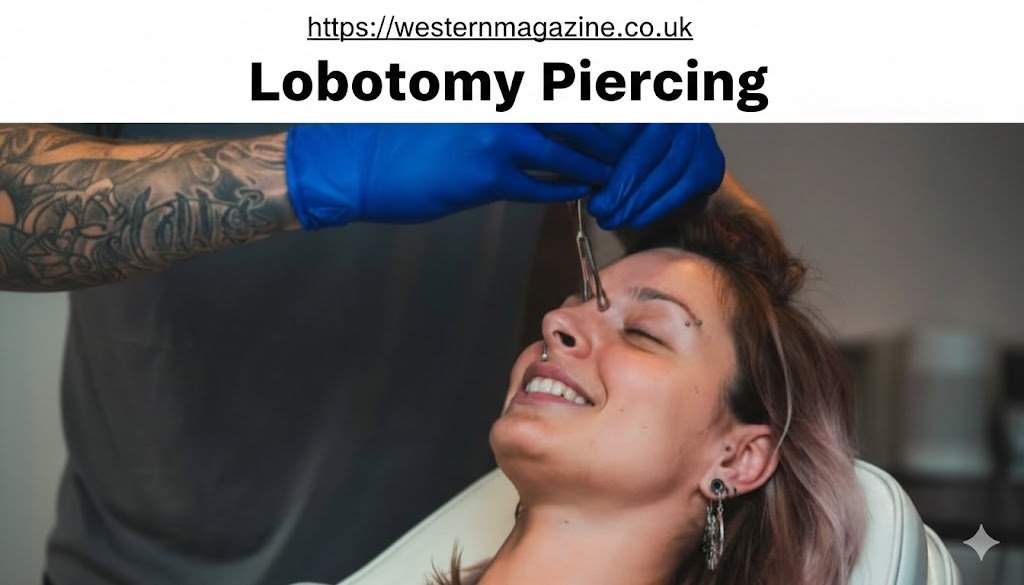
Using a sterile needle, the piercer will create a small hole in the skin at the marked location. The needle will then be removed, and the jewelry will be inserted. The most common jewelry types used for lobotomy piercings are surface bars or dermal anchors. The piercer will carefully insert the jewelry and secure it in place.
Step 5: Post‑Piercing Care
Once the piercing is completed, the piercer will provide you with aftercare instructions to follow. This typically includes how to clean the piercing, what to avoid during the healing process, and signs of complications to watch for.
6. Healing and Aftercare for Lobotomy Piercings
Proper aftercare is critical to ensuring that your lobotomy piercing heals successfully. As with any surface piercing, the healing time for lobotomy piercings can vary depending on factors such as placement, skin type, and how well you follow aftercare instructions. Here’s a breakdown of the healing process:
Healing Timeline
The typical healing time for a lobotomy piercing is around 6 to 12 months, but this can vary based on your body and how well you care for the piercing. Surface piercings tend to take longer to heal compared to traditional piercings because the jewelry rests on the skin’s surface and is more prone to movement and irritation.
Cleaning and Maintenance
To keep your @piercing clean, you’ll need to wash the area with saline solution twice daily. Avoid using harsh soaps, alcohol, or hydrogen peroxide, as these can irritate the piercing and delay the healing process. It’s essential to keep the piercing dry and free from dirt, bacteria, and excessive moisture.
What to Avoid
During the healing process, avoid touching the piercing with dirty hands, sleeping on the piercing, or wearing tight hats or glasses that might press against the piercing. Additionally, refrain from using makeup or creams near the piercing until it is fully healed.
Signs of Infection
While infections are rare when proper aftercare is followed, it’s still important to recognize the signs. These include redness, increased pain, swelling, pus drainage, or a foul odor coming from the piercing. If you notice any of these symptoms, it’s essential to consult a professional piercer or healthcare provider as soon as possible.
7. Risks and Complications of Lobotomy Piercings
As with any body modification, there are risks associated with lobotomy piercings. While they are generally safe when performed by a professional, certain complications can arise:
1. Lobotomy Piercing Infection
If the piercing is not properly cared for, it may become infected. Infections can cause pain, swelling, and discharge. Always clean your piercing regularly and follow aftercare instructions.
2. Lobotomy Piercing Rejection
Surface piercings are more prone to rejection than traditional piercings. The body may push the jewelry out over time as it tries to rid itself of the foreign object. This can lead to the piercing migrating or eventually falling out, leaving behind visible scarring.
3. Keloid Scarring
Some individuals are prone to keloid scarring, which occurs when the body produces excessive tissue during the healing process. Keloids can form around the piercing, causing the jewelry to become embedded in the skin and requiring medical intervention.
4. Migration
Migration happens when the piercing shifts in position due to the body’s natural movement. This can lead to discomfort, irritation, and potential jewelry displacement.
8. Social Perceptions and Popularity of Lobotomy Piercing
Lobotomy piercings are niche and often associated with the more avant-garde and alternative segments of the body modification community. As a result, they may be misunderstood or controversial to the general public. While some people embrace the piercing for its unique aesthetic and the statement it makes, others may find it off-putting due to its reference to a controversial medical procedure.
Despite this, lobotomy piercings have become increasingly popular among individuals who see them as a form of artistic expression or rebellion against conventional beauty standards. They serve as a form of self-empowerment, where individuals use their bodies as a canvas to communicate their personality, values, and interests.
9. Conclusion
A lobotomy piercing is a bold and unconventional body modification that makes a strong statement. Despite its provocative name, it is not associated with brain surgery but instead serves as a form of aesthetic expression. By carefully following the healing process and aftercare instructions, individuals can safely wear and enjoy their lobotomy piercings for years.
If you’re considering getting a lobotomy piercing, it’s essential to consult with a professional piercer who understands the risks and technical aspects involved. With proper care, you can enjoy this unique form of body art and express your individuality in a striking and dramatic way.
About the Author