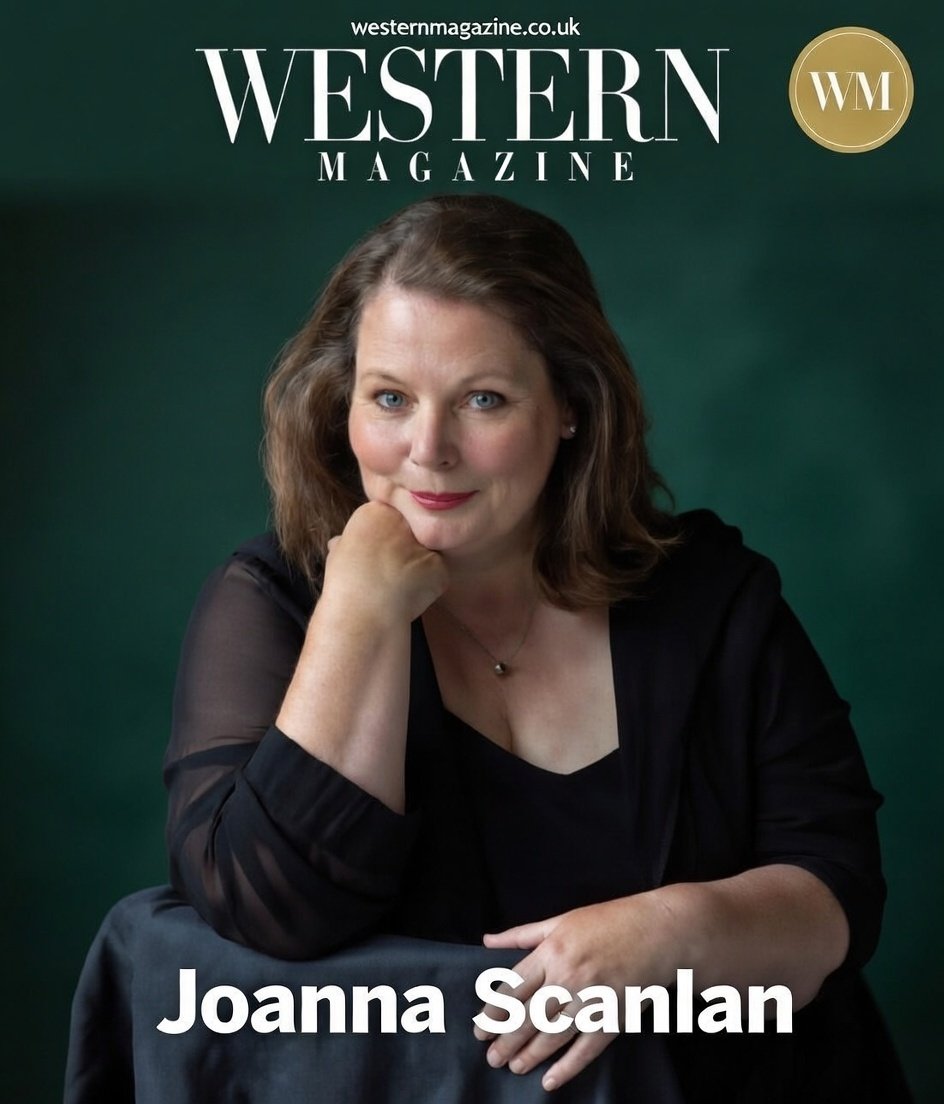
Joanna Scanlan
Early Life and Academic Foundations
Joanna Scanlan”,”british actress was born on 27 October 1961 in West Kirby, Merseyside, England, and raised in North Wales. Her parents ran a hotel, and growing up in that environment exposed her to a wide variety of personalities and human behaviors. This early immersion in observation and social interaction would later inform her nuanced acting style. Unlike many performers who pursue acting from childhood, Scanlan’s path to the screen was indirect and shaped by academic and professional experiences outside the entertainment industry.
She attended Howell’s School in Denbigh before studying history at entity[“organization”,”Queens’ College, Cambridge”,”cambridge college”]. While at Cambridge, she became involved in theatre and performance through student productions and the broader Footlights tradition, which has historically nurtured many British comedic talents. However, she did not immediately pursue acting after graduation. Instead, she worked as a drama lecturer at Leicester Polytechnic and later held a position at the Arts Council of Great Britain. These formative years gave her both intellectual grounding and insight into the arts from an institutional perspective.
Her decision to transition into acting in her early thirties marked a significant turning point. Rather than entering the profession as a young graduate, Scanlan began her acting career with maturity and life experience, which would later contribute to the depth and authenticity of her performances.
Joanna Scanlan Early Television Career
Scanlan began appearing in British television during the mid-1990s. Early credits included roles in series such as entity[“tv_show”,”Peak Practice”,”british tv series”] and adaptations like entity[“tv_show”,”Jane Eyre”,”1997 tv adaptation”]. These early appearances were relatively small but allowed her to establish credibility within the industry.
During this period, she frequently portrayed professionals such as nurses, administrators, or authority figures. These roles required subtlety and realism rather than overt dramatics, and they suited her restrained performance style. Her early television work may not have brought immediate fame, but it built a strong foundation that would later support larger opportunities.
Joanna Scanlan Breakthrough with The Thick of It
A defining moment in Scanlan’s career came with her casting as Terri Coverley in entity[“tv_show”,”The Thick of It”,”bbc political satire”]. Created by Armando Iannucci, the series offered a sharp and often brutal satire of British political culture. As Terri, a senior press officer navigating the chaos of government communications, Scanlan delivered a performance that combined dry humor, professional detachment, and subtle emotional undercurrents.
Her portrayal stood out because she avoided exaggerated comedic delivery. Instead, she grounded the character in realism, allowing the absurdity of the political environment to emerge naturally. Terri Coverley became one of the show’s most memorable figures, and Scanlan’s work significantly elevated her public profile. The series helped establish her as a formidable presence in British comedy.
Joanna Scanlan Expanding Creative Control with Getting On
Scanlan’s creative ambitions extended beyond acting. She co-created and starred in entity[“tv_show”,”Getting On”,”bbc comedy series”] alongside Jo Brand and Vicki Pepperdine. Set in an NHS geriatric ward, the show blended dark humor with poignant social commentary. Her role as Denise Flixter showcased her ability to balance absurd institutional satire with emotional vulnerability.
The success of Getting On demonstrated Scanlan’s versatility as both performer and writer. The series received critical acclaim and award nominations, further cementing her reputation within British television. It also highlighted her interest in portraying working women and institutional environments with honesty and compassion.
Dramatic Expansion in No Offence
Although comedy defined much of her early recognition, Scanlan’s career expanded into dramatic territory with her role in entity[“tv_show”,”No Offence”,”british police drama”]. As DI Vivienne Deering, she portrayed a commanding police officer navigating complex criminal investigations and moral dilemmas.
This role allowed her to demonstrate intensity and authority within a dramatic context. Her performance balanced grit with humanity, reinforcing her ability to move fluidly between genres. The transition from political satire and healthcare comedy to crime drama showcased her range and adaptability.
Joanna Scanlan Film Career and Supporting Roles
Throughout the 2000s and 2010s, Scanlan appeared in a variety of films, including entity[“movie”,”Girl with a Pearl Earring”,”2003 film”], entity[“movie”,”Notes on a Scandal”,”2006 film”], and entity[“movie”,”The Invisible Woman”,”2013 film”]. In these productions, she often played supporting roles that enriched ensemble casts.
Her film appearances demonstrated her reliability as a character actor capable of enhancing both period dramas and contemporary narratives. Though not always at the center of the story, her performances were consistently thoughtful and grounded.
Career-Defining Joanna Scanlan Role in After Love
The most transformative chapter of Scanlan’s career came with entity[“movie”,”After Love”,”2020 british film”]. Directed by Aleem Khan, the film centers on Mary Hussain, a widow who discovers that her late husband led a secret life. The role demanded emotional depth, restraint, and profound internal conflict.
Scanlan’s portrayal was widely praised for its authenticity and subtle power. She embodied grief, identity crisis, and cultural complexity with remarkable nuance. The performance earned her the entity[“award”,”BAFTA Award for Best Actress in a Leading Role”,”film award”] in 2022. This recognition marked a major milestone in her career and confirmed her status as a leading dramatic actor in British cinema.
The success of After Love also demonstrated that her talent extended far beyond supporting or comedic roles. It positioned her at the forefront of contemporary British film and expanded international awareness of her work.
Continued Television Success
In the years following her BAFTA win, Scanlan remained active in television. She appeared in projects such as entity[“tv_show”,”The Larkins”,”2021 british tv series”] and entity[“tv_show”,”Riot Women”,”bbc television series”], continuing to explore diverse characters and narratives. Her ongoing presence across genres reflects both her adaptability and her sustained demand within the industry.
Unlike performers whose careers plateau after major awards, Scanlan has continued to pursue varied and challenging work, maintaining creative momentum well into her sixties.
Acting Style and Artistic Approach
Joanna Scanlan’s acting style is defined by emotional intelligence and restraint. Rather than relying on exaggerated expressions or overt theatrics, she often conveys complex feelings through subtle shifts in tone, posture, and timing. This understated approach allows audiences to engage deeply with her characters.
Her background in writing also shapes her performances. Because she understands narrative structure and character development from a writer’s perspective, she brings layered interpretation to every role. Whether in comedy or drama, she prioritizes authenticity and psychological truth.
Her work often centers on women navigating professional or personal challenges, and she approaches these characters with empathy rather than caricature. This commitment to realism has become a hallmark of her career.
Joanna Scanlan Cultural Significance and Legacy
Joanna Scanlan’s career challenges conventional narratives about fame and timing in the entertainment industry. Beginning her acting career later than many peers, she gradually built recognition through consistent, high-quality work. Her trajectory underscores the value of persistence and craft over immediate visibility.
Her BAFTA-winning performance in After Love represents a significant moment for British cinema, highlighting mature female protagonists and complex emotional storytelling. Across television and film, she has contributed meaningfully to both comedy and drama, influencing contemporary British performance culture.
Scanlan’s legacy lies not only in awards but in the integrity of her work. She exemplifies the idea that sustained artistic growth and thoughtful role selection can create a career of lasting impact.
Conclusion
Joanna Scanlan’s journey from academic professional to acclaimed actress reflects determination, adaptability, and creative depth. Through roles in The Thick of It, Getting On, No Offence, and After Love, she has demonstrated extraordinary range and emotional precision.
Her career continues to evolve, marked by both critical acclaim and audience respect. As British television and cinema move forward, Joanna Scanlan remains an influential and compelling figure—an actress whose work embodies subtlety, intelligence, and enduring artistic commitment.
About the Author