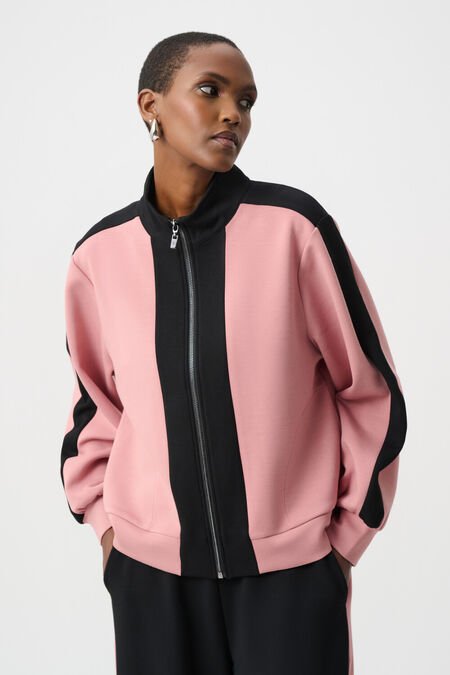
Joseph Ribkoff
If you’ve been researching premium womenswear and Joseph Ribkoff keeps appearing in the conversation, you’re probably skeptical of the same things worth being skeptical of. Every brand at this price point claims exceptional quality, superior fit, and timeless design. Most of them are telling some version of the truth, which makes comparison genuinely difficult. So what separates Joseph Ribkoff’s from the rest of the field — and does the distinction hold up under scrutiny?
Here’s an honest look.
The Price Context
Joseph Ribkoff occupies what the industry loosely calls the “accessible premium” tier — most pieces run between $150 and $350, with dresses and outerwear clustering toward the higher end of that range. That puts it in direct competition with brands like Ted Baker, Karen Millen, and Max Mara’s Weekend line.
The more interesting comparison is what you’re actually getting at that price. A meaningful portion of Joseph Ribkoff’s collection is still designed and manufactured in Montreal, with additional production in Europe. That’s a genuinely uncommon position for a brand at this price point — most competitors in the same range moved manufacturing entirely overseas years ago. The quality control that comes with domestic and European production shows up in something specific and measurable: garment consistency. Joseph Ribkoff pieces tend to perform the same way across runs, which is less common than it should be in this category.
Where the Brand Pulls Ahead: Fit and Fabric
Talk to anyone who owns more than one Joseph Ribkoff piece and the conversation almost always circles back to fit. That’s not an accident — the brand has spent over six decades engineering how its garments sit on the body, and the proprietary Silky Knit fabric is central to that. It offers stretch, shape recovery, and wrinkle resistance in a combination that most competitors at this price point haven’t matched.
What that looks like practically:
Shape retention is the most noticeable difference over time. Joseph Ribkoff pieces hold their structure through long days and repeated wear. Many comparable brands start to sag or stretch after a handful of wears — a problem that’s easy to miss in a fitting room but becomes obvious three months in.
Wrinkle resistance matters the moment you travel. Silky Knit folds into a suitcase and comes out looking like it belongs on a hanger. Most competing fabrics at this price require steaming or ironing before they’re wearable again after being packed.
Size consistency is something the brand handles unusually well. Sizes 2 through 22 with reliable fit across styles means that once you know your size in a particular silhouette, repeat purchasing is straightforward. That kind of predictability is harder to find in designer fashion than it should be.
For context: brands like Hugo Boss womenswear or Lafayette 148 offer similarly strong construction, but typically at a higher price. Joseph Ribkoff delivers comparable structural integrity while staying more accessible — which is a meaningful distinction for anyone doing honest cost-per-wear math.
The Design Approach: Contemporary Without Being Trend-Dependent
This is one of the clearer philosophical differences between Joseph Ribkoff and much of its competition. Ted Baker and Reiss lean into seasonal fashion heavily — which produces exciting collections but also pieces with shorter useful lifespans. What’s unmistakably “this season” in March looks dated by the following year.
Joseph Ribkoff operates differently. Collections are contemporary and visually interesting without being anchored to trends that expire. The Spring/Summer 2026 collection introduced coastal-inspired separates and soft romantic prints, for example, while staying clearly within the brand’s established visual identity. The newer JR Sport line extends that approach into elevated casualwear — a genuine acknowledgment of how women actually dress now — without abandoning the polish the brand is built on.
The practical outcome is that pieces you buy this year are still working in your wardrobe four years from now. That changes the value calculation significantly.
Travel and Versatility: A Genuine Competitive Advantage
This is the category where Joseph Ribkoff most consistently outperforms the competition. Wrinkle-resistant fabrics, silhouettes that move from daytime to evening without a full outfit change, and a collection structure built around coordinated mixing and matching — these aren’t incidental features, they’re baked into the design process.
For anyone who needs a wardrobe that performs across professional, social, and travel contexts without requiring a separate outfit for each one, this is where the brand earns its price tag.
Who This Brand Is Actually For
Joseph Ribkoff has a clear ideal customer, and being honest about that is more useful than pretending it’s for everyone.
It tends to resonate most with women who need a wardrobe that travels across multiple settings without constant rebuilding, who prioritize fit and fabric quality over trend-chasing, and who have been burned by cheaper alternatives that looked promising on the hanger and fell apart within a season. The aesthetic is polished and refined — deliberately so — without tipping into fussy or overdone.
It’s probably not the right fit if your wardrobe skews heavily casual, streetwear-driven, or avant-garde. That’s not a shortcoming — it’s just a different lane entirely.
Where Joseph Ribkoff consistently wins is with women who’ve tried other brands at this price point and found them lacking in the specifics that matter over time: fit that holds, fabric that performs, and pieces that stay relevant past the season they were bought. Six decades and distribution across 60-plus countries suggests that conversion pattern is real — and that’s the kind of evidence no marketing budget can manufacture.
About the Author