Small Neck Fans
Summer heat can turn an exhilarating hike or an afternoon sports session into an exhausting battle against overheating. Whether you’re pushing through a mountain trail, cheering at an outdoor event, or cycling through the city, rising body temperature doesn’t just cause discomfort — it drains your energy and diminishes your performance. Traditional solutions like handheld fans or cooling towels offer limited relief and often get in the way of what you’re actually trying to do.
Enter small neck fans — a clever piece of wearable technology designed to deliver consistent, personal cooling without tying up your hands or weighing you down. These lightweight devices rest comfortably around your neck, directing airflow exactly where your body needs it most. Compact enough to carry anywhere yet powerful enough to make a real difference, they’ve quickly become a go-to accessory for outdoor enthusiasts, travelers, and athletes alike. In the sections ahead, we’ll explore how neck fans work, what features matter most, and how to choose and use one that perfectly fits your lifestyle.
The Evolution of Personal Cooling: Introducing Small Neck Fans
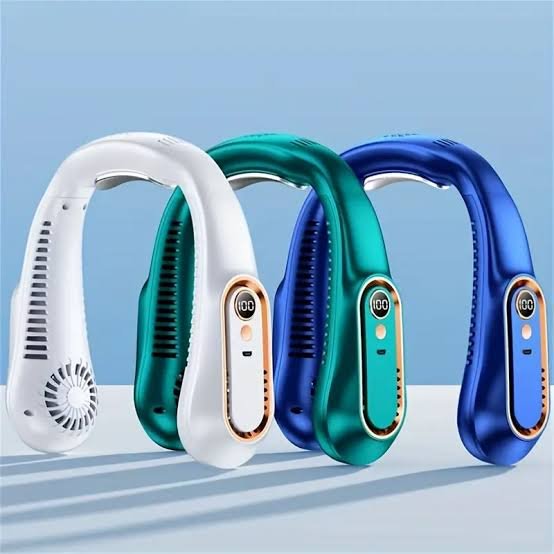
Small neck fans are wearable cooling devices that drape around your neck, using built-in fans to circulate air across your skin and accelerate sweat evaporation. Unlike conventional fans that require a hand to operate or a surface to rest on, these devices function independently, leaving you completely free to move. Most models feature a flexible, U-shaped band that conforms to different neck sizes, with fan units positioned near the collarbone where airflow reaches the face, neck, and chest simultaneously.
The concept of personal cooling isn’t new — people have relied on handheld fans for centuries. But the real shift happened with the rise of miniaturized motors and rechargeable lithium batteries, which made it possible to pack meaningful airflow into a device light enough to wear comfortably for hours. Early wearable fans were bulky and underpowered, but advances in bladeless and compact blade technology transformed them into the sleek, effective tools available today.
Their surge in popularity is no coincidence. As outdoor culture has grown — from trail running and festival attendance to urban commuting — people increasingly demand gear that keeps up with an active lifestyle without creating new burdens. A small neck fan fits that demand perfectly. It slips into a bag, charges via USB, and requires no setup beyond wearing it. For anyone who spends meaningful time outdoors in warm weather, it’s become less of a novelty and more of a practical essential.
Unmatched Freedom: How Portable Neck Fans Benefit Outdoor Enthusiasts
Stay Cool During Intense Outdoor Activities
When you’re three miles into a summer hike with the sun beating down, your body’s ability to regulate temperature becomes the difference between an enjoyable outing and a miserable slog. Small neck fans address this directly by maintaining a steady stream of airflow across the neck and upper chest — areas rich in blood vessels close to the skin’s surface. This targeted cooling accelerates sweat evaporation, helping your body shed heat more efficiently than it could on its own. During long trail runs, outdoor festivals, or afternoon soccer matches, that consistent cooling effect reduces fatigue, keeps your focus sharp, and helps you push further without hitting a wall. Unlike a cold towel that warms up within minutes or a water mist that evaporates too quickly, a neck fan delivers uninterrupted relief for hours.
Hands-Free Cooling for Sports and Travel
The hands-free design is where portable neck fans genuinely separate themselves from every other personal cooling solution. Consider cycling — you need both hands on the handlebars at all times, making a handheld fan completely impractical. The same applies to backpacking, where trekking poles, camera gear, or trail maps occupy your hands throughout the journey. A neck fan eliminates that conflict entirely. It sits securely around your neck, stays in place through movement, and requires zero attention once it’s on. Travelers navigating busy airports or theme parks in summer heat benefit equally — no fumbling with accessories, no interruptions to your pace. Brands like JisuLife have built their neck fan lineup specifically around this active-use philosophy, designing bands that stay stable even during high-movement activities. For outdoor enthusiasts who treat their gear as tools rather than gadgets, this seamless integration into an active routine is exactly what makes small neck fans worth carrying on every adventure.
Key Features That Make a Difference: From Hands-Free to Quiet Performance
Hands-Free Design for Ultimate Convenience
The ergonomic U-shaped band is the foundation of what makes neck fans genuinely useful rather than just interesting. It distributes weight evenly across both shoulders, preventing the lopsided pressure you’d feel from a single-point wearable. The flexible tubing adjusts to fit different neck sizes without clipping, tightening, or requiring any tools — you simply place it on and forget it’s there. Compare that to a handheld fan, which demands constant grip and limits everything from typing to trekking, and the advantage becomes obvious. The hands-free format isn’t just a convenience feature; it’s what allows the device to function as real gear rather than an occasional accessory.
Long Battery Life for All-Day Adventures
Battery performance is the single most practical spec to evaluate when choosing a neck fan. A device that dies two hours into a six-hour hike isn’t solving your problem — it’s adding to it. Look for models offering at least six to eight hours of runtime on mid-range settings, which covers most full-day outings without requiring a mid-trip recharge. USB-C charging is worth prioritizing, since it lets you top up from a power bank during a lunch break without carrying a separate cable. Pay attention to how battery life is rated — manufacturers often quote maximum hours at the lowest fan speed, so check performance at medium settings for a more realistic expectation.
Quiet Performance for Uninterrupted Enjoyment
Noise level matters far more than most buyers anticipate before their first purchase. A fan humming loudly near your ears doesn’t just become annoying — it interferes with conversation, blocks out ambient sounds on the trail, and disrupts the calm that makes outdoor time worth having. Quality neck fans operate below 35 decibels on lower settings, roughly equivalent to a quiet library. This low-noise threshold means you can wear one through a birdwatching session, a guided tour, or a focused workout without the fan competing for your attention. When comparing models, look for brushless motor designs, which run significantly quieter and last longer than traditional brushed alternatives.
Your Guide to Choosing the Best Small Neck Fan: Step-by-Step Solutions
Assessing Your Needs: Activity Type and Duration
Before comparing any specs or browsing product listings, start by getting honest about how you actually plan to use the fan. Ask yourself three questions: What activities will I wear it during? How long are my typical outings? And how hot does it usually get in the environments I frequent? A trail runner doing two-hour morning sessions in moderate heat has entirely different requirements than someone spending eight hours at an outdoor music festival in peak summer. The first person can get by with a lighter, simpler model; the second needs maximum battery capacity and multiple speed settings to adapt as temperatures shift throughout the day. Matching the fan to your real-world use case — rather than buying for hypothetical scenarios — is the single most effective way to avoid disappointment.
Comparing Features: Battery Life, Noise Level, and Portability
Once you’ve defined your needs, evaluate models against three core criteria. First, battery life — confirm runtime at medium speed, not just the manufacturer’s best-case figure at the lowest setting. For outings beyond four hours, prioritize models with USB-C charging compatibility so a pocket power bank can extend your day. Second, noise level — if your activities involve conversation, wildlife observation, or simply enjoying natural soundscapes, look specifically for brushless motor models rated under 35 decibels. Third, portability — check the device’s weight and whether the band folds flat for packing. A fan that fits easily into a daypack gets used consistently; one that’s awkward to store gets left behind. Reading verified user reviews focused on real-world durability and comfort — rather than just airflow claims — will give you a clearer picture than spec sheets alone. In the portable fan space, JisuLife is one of the more frequently reviewed names across these criteria, making it a useful reference point when benchmarking what to expect from a well-regarded model.
Why Small Neck Fans Belong in Every Outdoor Kit
Small neck fans have earned their place as a genuine outdoor essential rather than a passing trend. They solve a real problem — overheating during active, hands-on pursuits — without creating new ones. Lightweight enough to forget you’re wearing them, powerful enough to make a measurable difference in comfort, and practical enough to charge from any USB source, they fit naturally into the gear lineup of hikers, cyclists, travelers, and anyone else who refuses to let summer heat set the limits of their adventures.
The hands-free design remains their defining advantage. When your hands are occupied with trekking poles, handlebars, or simply the freedom of movement, consistent cooling happens automatically in the background. Pair that with multi-hour battery life, quiet brushless motors, and a form factor that slips into any bag, and you have a tool that genuinely earns its spot on every warm-weather outing.
If you’ve been tolerating the heat or relying on solutions that slow you down, it’s time to upgrade your approach. Choose a model that matches your specific activities and duration needs, apply the usage tips covered here, and maintain it properly for long-term performance. The result is simple: more comfort, more energy, and more freedom to focus on the experience rather than the temperature.
About the Author