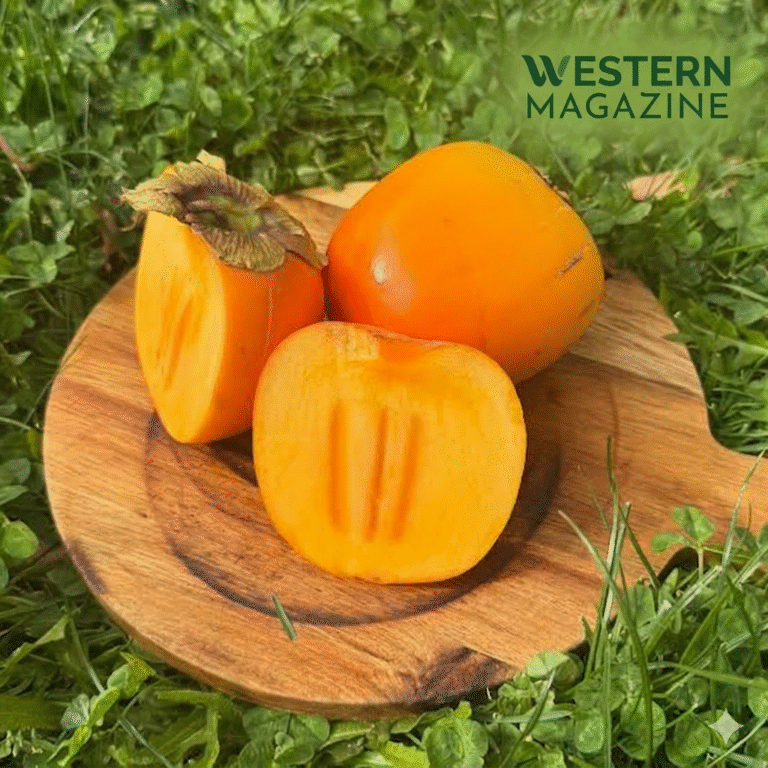
caqui persimon
The caqui persimon, a fruit that originates from East Asia, has gained international recognition for its sweet, non-astringent flavor and versatile culinary uses. While many know it simply as persimmon, the specific variety known as Persimon is unique in its cultivation, harvesting, and ripening process, distinguishing it from other types of persimmons. This article will explore the origins, cultivation methods, nutritional benefits, culinary uses, and how caquis persimon has evolved into an important agricultural product globally.
What Is Caquis Persimon?
The caqui persimon is a type of persimmon fruit from the Diospyros kaki species, which is part of the Ebenaceae family. Its origin can be traced back to China, where it was cultivated for over 2,000 years before spreading to other parts of East Asia, including Japan and Korea. The fruit is beloved for its sweet, honey-like flavor, vibrant color, and unique texture.
While all persimmons belong to the Diospyros genus, Persimon refers specifically to a cultivar of persimmon that is non-astringent, allowing it to be consumed while firm rather than waiting for it to soften. This variety, particularly prominent in Spain, is sold under the trademark Persimon, distinguishing it from the more traditional astringent varieties that require full ripening to be eaten without bitterness.
The Difference Between Caqui Persimon and Other Persimmons
The key distinction between caqui persimon and other types of persimmons is that Persimon is a non-astringent variety. Astringency in persimmons comes from the presence of tannins, which cause a dry, puckering feeling in the mouth when the fruit is unripe. While other persimmons must be left to ripen fully to remove this astringency, caqui persimon is harvested while it is still firm and free of bitterness due to a special process developed by Spanish farmers.
The Persimon trademark refers specifically to persimmons grown in the Ribera del Xúquer region of Spain, where strict cultivation and harvesting standards are followed. These fruits are picked before they reach full ripeness, and they undergo a process of controlled ripening to ensure the fruit is sweet and non-astringent right from the start.
In contrast, traditional astringent persimmons like Hachiya must be allowed to ripen until soft before consumption. This softening process is what gives them their signature mushy texture, which is highly prized by certain cultures but requires patience before they can be eaten. This is why the caqui persimon is preferred by many who seek an easier, more immediate way to enjoy persimmons.
Cultivation and Harvesting of Caquis Persimon
The cultivation of caqui persimon is an art, as it requires careful attention to the fruit’s growth cycle. While persimmon trees thrive in temperate climates, the Persimon variety is primarily grown in Spain, particularly in the Ribera del Xúquer region, located near the Mediterranean Sea. This area is known for its mild climate and fertile soil, both of which contribute to the ideal growing conditions for the fruit.
The trees that produce Persimon are usually pruned and carefully managed to ensure the fruit’s uniform size, shape, and color. These trees are often protected from extreme weather conditions to prevent damage to the fruit. The harvesting of caquis persimon is done by hand, and it typically occurs in the autumn, around October to November, depending on the region’s weather patterns. The persimmons are picked when they are still firm, and they are then stored in controlled environments to encourage ripening without allowing them to soften too much.
Once harvested, caqui persimon undergoes a treatment process where they are stored in cold chambers for a period of time that helps remove the tannins. This unique processing method ensures that the fruit can be enjoyed while still crisp and non-astringent, making it more accessible for immediate consumption.
Nutritional Benefits of Caquis Persimon
Caquis persimon are not only delicious but also packed with essential nutrients. This fruit is low in fat and calories, making it an excellent choice for those looking to maintain a healthy diet while enjoying a sweet treat. Below are some of the key nutritional benefits of caquis persimon:
Rich in Vitamins
One of the most significant benefits of caquis persimon is its high vitamin content, particularly vitamins A and C.
- Vitamin A: Caquis persimon is an excellent source of vitamin A, which is crucial for maintaining healthy vision, immune system function, and skin health.
- Vitamin C: The fruit is also rich in vitamin C, an antioxidant that helps boost the immune system, promote collagen production, and protect cells from damage.
caqui persimon High in Fiber
Caquis persimon is an excellent source of dietary fiber, which is essential for digestive health. Fiber helps maintain regular bowel movements, reduces the risk of constipation, and can contribute to a lower risk of chronic diseases such as heart disease. The high fiber content also helps with weight management by promoting satiety and controlling appetite.
Antioxidant Properties
Like many fruits, caquis persimon contains antioxidants, which help combat the free radicals in the body that can cause cell damage and lead to premature aging and disease. Antioxidants also support heart health by reducing inflammation and helping to lower cholesterol levels.
Potassium and Other Minerals
Caquis persimon also provides essential minerals such as potassium, which helps regulate blood pressure, support muscle function, and promote heart health. Additionally, persimmons contain magnesium, calcium, and small amounts of iron, making them an all-around nutritious fruit.
Culinary Uses of Caquis Persimon
One of the reasons caqui persimon has become so popular worldwide is its versatility in the kitchen. This fruit can be eaten fresh or used in a variety of dishes, both sweet and savory. Here are some of the best ways to enjoy caquis persimon:
1. Fresh Eating
The simplest and most common way to enjoy caqui persimon is by eating it fresh. Simply wash the fruit, remove the skin (if desired), and slice it. It can be eaten on its own as a snack or added to fruit salads for a sweet, crunchy contrast. The non-astringent variety is perfect for eating while it is still firm, providing a satisfying crisp texture.
2. caqui persimon Salads
Caquis persimon can be a great addition to both sweet and savory salads. The fruit pairs well with leafy greens such as spinach and arugula, as well as ingredients like walnuts, feta cheese, and pomegranate. The natural sweetness of the fruit complements tangy vinaigrettes and dressings, making it a refreshing and healthy option.
3. Desserts and Baked Goods
Caquis persimon can be incorporated into various desserts like cakes, tarts, muffins, and pies. You can blend the fruit into smoothies or use it to make persimon sorbet. The natural sweetness and smooth texture of the fruit also make it an ideal ingredient for jams and preserves.
4. Smoothies and Juices
For a delicious and healthy drink, blend caqui persimon into smoothies or juices. Combine it with other fruits such as bananas, apples, and oranges to create a nutritious and refreshing beverage. Adding a bit of honey or almond milk can enhance the sweetness and provide a creamy texture.
5. Caquis Persimon As a Side Dish
In some cultures, caqui persimon is used as a side dish in savory meals. The fruit pairs well with grilled meats, particularly pork or chicken, where its sweetness balances the richness of the protein. It can also be roasted or grilled and served alongside vegetables.
caqui persimon Global Popularity and Market Presence
While the fruit’s origins are in East Asia, caquis persimon has found popularity in many countries around the world. Spain is now one of the leading producers and exporters of Persimon, with Valencia and the Ribera del Xúquer region being the primary cultivation areas. The fruit is exported to various countries in Europe, the United States, and even Japan.
The demand for Persimon has been growing, particularly because of its unique flavor profile, health benefits, and availability during the winter months, when many other fruits are not in season. The non-astringent variety is particularly popular in countries where consumers are accustomed to enjoying fruits that are easy to eat and require minimal ripening time.
Conclusion
Caquis Persimon stands out as one of the most versatile and nutritious fruits available in the world. Its unique characteristics, from its non-astringent texture to its ability to be eaten fresh or used in a wide variety of dishes, make it a favorite among chefs, home cooks, and health-conscious individuals. Packed with essential nutrients such as vitamins A and C, antioxidants, and fiber, caquis persimon offers an array of health benefits that make it more than just a delicious snack.
As this fruit continues to grow in global popularity, its rich history, careful cultivation, and delicious flavor will ensure that caquis persimon remains an important part of the international fruit market for many years to come. Whether eaten fresh, used in savory salads, or incorporated into desserts, caquis persimon brings sweetness, health, and culinary joy to anyone lucky enough to taste it.
About the Author