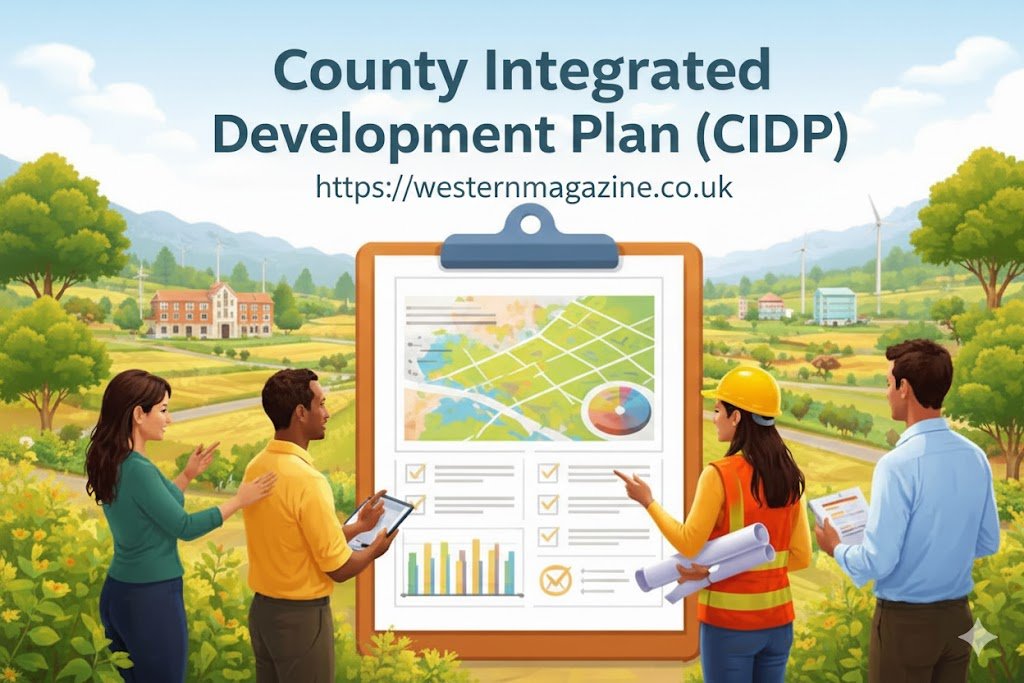
County Integrated Development Plan
Introduction
A County Integrated Development Plan (CIDP) is a vital framework for counties to plan and prioritize development activities over a five-year period. It provides a structured approach for implementing sustainable development goals and ensuring that resources are efficiently allocated to achieve these goals. CIDPs are integral to decentralized governance systems where local governments must take responsibility for their development agenda.
This comprehensive article will explore the meaning, importance, purpose, components, legal basis, and challenges associated with County Integrated Development Plans. It will also highlight best practices, examples, and the process of creating a CIDP, offering in-depth insights into how counties can optimize their development strategies.
What is a County Integrated Development Plan (CIDP)?
A County Integrated Development Plan (CIDP) is a five-year strategic document that outlines the development priorities, policies, projects, and budgets of a county. It sets the direction for county governments, guiding them in achieving sustainable socio-economic development in a well-coordinated manner. CIDPs take into account economic, social, and environmental factors, ensuring that development activities are comprehensive and inclusive.
The plan typically covers several key sectors such as:
- Education
- Health
- Agriculture
- Water and Sanitation
- Infrastructure
- Environment
- Energy
It is developed by county governments in alignment with national policies, and it plays a crucial role in promoting participation, transparency, and accountability in the development process.
Legal and Policy Framework for County Integrated Development Plan (CIDP)
CIDPs are often grounded in national legislation and policies that mandate the preparation and implementation of these plans. For example, in Kenya, the County Governments Act requires every county government to develop a five-year CIDP. It also mandates the plan to be aligned with national vision documents like the Vision 2030 and the Medium-Term Plans (MTP).
Here are some of the key legal documents that form the foundation of CIDPs:
- County Governments Act (providing the legal requirement for county planning)
- Public Finance Management Act (guiding how public funds are used based on the CIDP)
- Constitutional Requirements (ensuring local governments operate within the framework of devolution)
These laws ensure that the CIDP remains a binding document, and no development activities are undertaken outside the provisions set out in the plan. This legal backing ensures that counties stay accountable and committed to their long-term development objectives.
Key Purposes of a County Integrated Development Plan (CIDP)
The CIDP serves several important functions in local governance, including:
1. Guiding Development Strategy
The CIDP provides counties with a structured approach to development, outlining the goals and priorities that will guide activities for the next five years. It serves as a roadmap for development, addressing the most pressing needs of the county.
2. Allocating Resources Effectively
With clear priorities and objectives, the CIDP helps local governments allocate resources—such as financial and human resources—toward projects that will have the greatest impact. This ensures that resources are used effectively and efficiently, reducing waste and enhancing service delivery.
3. Promoting Accountability and Transparency
The CIDP outlines the strategic objectives, budget allocation, and performance indicators for each project. This transparency allows the public to monitor the performance of their county government and holds officials accountable for the success or failure of specific initiatives.
4. Fostering Public Participation
One of the core principles of a CIDP is the participation of citizens and other stakeholders in the planning process. Public consultations, town hall meetings, and stakeholder engagement activities ensure that the plan reflects the needs and priorities of the community.
5. Monitoring and Evaluation
The CIDP sets up clear monitoring and evaluation (M&E) systems to track progress against set goals and objectives. This enables counties to assess the effectiveness of implemented projects and make adjustments as necessary.
Core Components of a County Integrated Development Plan
A well-structured CIDP contains several components, each contributing to the overall coherence and effectiveness of the plan. Below are the essential elements:
1. County Profile and Baseline Data
The first section of the CIDP presents the demographic profile, socio-economic conditions, and resource endowments of the county. This information helps in understanding the county’s current status and provides a foundation for the planning process.
2. Situational Analysis
This section identifies the strengths, weaknesses, opportunities, and threats (SWOT analysis) of the county, based on past performances and current trends. A situational analysis helps to identify gaps in service delivery, infrastructure, and economic growth.
3. County Integrated Development Plan (CIDP) Vision and Mission
The vision defines the long-term aspirations of the county, while the mission outlines how those aspirations will be achieved. These statements set the tone for the CIDP and provide clarity on the direction the county intends to take.
4. Development Priorities and Objectives
The CIDP clearly lists the county’s development priorities across sectors (health, agriculture, education, etc.) and outlines the objectives for achieving these priorities. This section is crucial for setting measurable targets and aligning resources.
5. Programs and Projects
The core of the @CIDP is a detailed description of the key programs and projects that will be implemented over the five-year period. These projects are linked to the development priorities and objectives set out earlier in the plan.
6. Resource Mobilization and Budgeting
This section outlines the financial resources required to implement the CIDP and how they will be mobilized. It details projected income from both county revenue and external sources (e.g., grants, loans, private partnerships). A clear budget allocation ensures that funding is available for each project.
7. Monitoring and Evaluation (M&E)
A robust M&E framework is critical for tracking the implementation of the CIDP. This section outlines the mechanisms for data collection, analysis, and reporting to ensure that projects are on track and objectives are being met.

The Process of County Integrated Development Plan (CIDP)
The preparation of a County Integrated Development Plan involves a series of steps, each contributing to the final plan’s quality and effectiveness. These steps are as follows:
1. Stakeholder Engagement and Public Participation
The development of a CIDP begins with the engagement of local communities, stakeholders, and civil society organizations. Through public consultations, surveys, and focus group discussions, counties ensure that the plan reflects the needs and aspirations of the people.
2. Data Collection and Analysis
In this phase, counties collect data related to demographics, economic activities, infrastructure needs, and resource availability. This data forms the basis for the situational analysis and helps to identify areas of development focus.
3. Drafting the County Integrated Development Plan (CIDP)
Once the data is collected, a draft of the CIDP is prepared. This draft outlines the priorities, objectives, programs, and budgets. It is reviewed by technical teams, policymakers, and stakeholders before it is finalized.
4. Validation and Approval
The draft CIDP is submitted to the County Assembly for approval. During this process, members of the assembly review the plan, propose amendments, and validate the final version before it becomes law.
5. Implementation and Monitoring
Once approved, the CIDP is implemented over the next five years. Regular monitoring ensures that the goals are being achieved, and necessary adjustments are made to address challenges.
Challenges in the Implementation of County Integrated Development Plan (CIDP)
Despite their importance, the implementation of CIDPs often faces several challenges:
1. Limited Financial Resources
County governments may struggle to mobilize sufficient resources for the implementation of their development plans. Without adequate funding, the execution of projects may be delayed or scaled back.
2. Weak Institutional Capacity
Many counties face capacity challenges, including a lack of skilled personnel in key areas like project management, data analysis, and budgeting. This can result in inefficiencies in planning and implementation.
3. County Integrated Development Plan (CIDP) Political Interference
In some cases, political agendas can override technical planning processes, leading to misallocation of resources or delays in project implementation.
4. Inadequate Stakeholder Engagement
While stakeholder participation is essential, some counties struggle to engage citizens and local communities effectively, leading to a disconnect between the plan’s goals and the actual needs of the population.
Best Practices for County Integrated Development Plan a Successful CIDP
1. Incorporating Inclusivity
It is crucial that the CIDP addresses the needs of vulnerable groups, such as women, children, and the elderly. Ensuring that everyone benefits from development activities promotes equitable growth.
2. Continuous Monitoring and Feedback
Effective M&E systems should be integrated throughout the implementation period to track progress and make adjustments where necessary. This will ensure that the county stays on course to meet its objectives.
3. Building Strong Partnerships
Counties should collaborate with development partners, private sector actors, and non-governmental organizations (NGOs) to pool resources and expertise for the successful implementation of projects.
4. County Integrated Development Plan (CIDP) Capacity Building
Investing in training and capacity building for county officials, planners, and stakeholders ensures that there is a pool of skilled professionals who can effectively implement and monitor the CIDP.
Conclusion
The County Integrated Development Plan (CIDP) is a vital instrument for local governments, providing a structured approach to development that is both inclusive and sustainable. Through careful planning, effective resource allocation, and robust monitoring mechanisms, counties can achieve their development goals and improve the quality of life for their citizens.
While CIDPs present numerous opportunities for growth, they also come with challenges that need to be addressed through collaboration, capacity building, and political will. With the right approach, CIDPs can drive transformative change at the local level, contributing to the broader national development agenda.
By adhering to best practices and overcoming implementation hurdles, counties can ensure that their development objectives are realized within the five-year planning horizon, laying the foundation for future growth and prosperity.
About the Author