Foenegriek
Foenegriek, known as fenugreek in English, is a herb that has been cherished for thousands of years due to its rich flavor and various medicinal properties. This versatile plant, scientifically known as Trigonella foenum-graecum, is an important part of culinary traditions, especially in Indian, Middle Eastern, and North African cuisines, and continues to be a valuable component of both traditional and modern medicine. In this comprehensive guide, we explore the various aspects of foenegriek, from its nutritional benefits and culinary uses to its medicinal properties.
What Is Foenegriek (Fenugreek)?
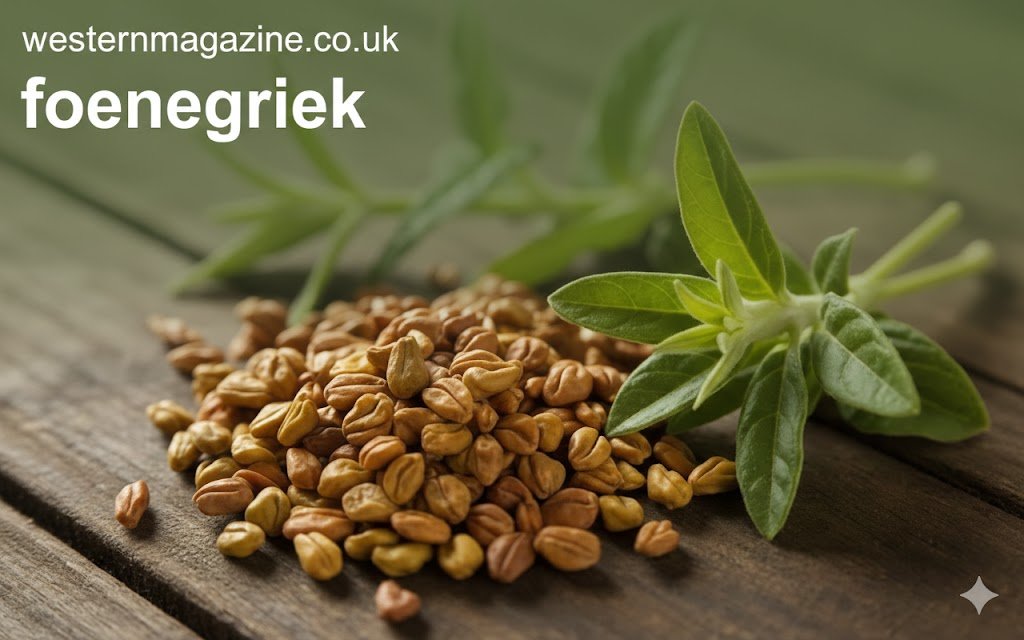
Foenegriek, or fenugreek, is a herb that has been widely used for centuries, both in cooking and as a natural remedy. It is native to the Mediterranean region but is now grown in various parts of the world, particularly in India and North Africa. Fenugreek plants are typically small, with green leaves and yellowish-brown seeds that are harvested for both culinary and medicinal purposes. The seeds, which are the most commonly used part of the plant, have a distinctive taste—slightly bitter and earthy, with a subtle hint of maple syrup.
In addition to its culinary appeal, fenugreek has gained popularity for its potential health benefits, including its ability to support blood sugar regulation, promote lactation, and enhance testosterone levels.
The History of Foenegriek
Fenugreek has a long and storied history in various cultures. It was used by ancient Egyptians, Greeks, and Romans for both culinary and medicinal purposes. The ancient Egyptians valued fenugreek for its medicinal properties, and it was found in the tombs of the pharaohs. The Greeks and Romans also utilized it as a healing herb, particularly for issues related to digestion and fertility.
The herb made its way to India many centuries ago, where it became an essential ingredient in Ayurvedic medicine. Over time, fenugreek spread across the Middle East and North Africa, where it became a staple in local cuisines. In fact, many traditional spices and herbal remedies in these regions incorporate fenugreek as a key component.
The Nutritional Value of Foenegriek
Fenugreek seeds are a rich source of nutrients and bioactive compounds that offer a variety of health benefits. They contain a high concentration of fiber, proteins, minerals, and vitamins that contribute to overall health. Here is an overview of the key nutrients found in fenugreek seeds:
- Calories: 35 kcal per tablespoon (about 11 grams)
- Protein: 3 grams
- Fiber: 3 grams
- Carbohydrates: 6 grams
- Iron: 21% of the recommended daily value (RDV)
- Magnesium: 5% of RDV
- Manganese: 14% of RDV
- Vitamins: A, C, and K (found in trace amounts in the leaves)
These nutrients contribute to fenugreek’s status as a functional food, supporting a range of bodily functions from digestive health to blood sugar regulation. Fenugreek is especially valued for its fiber and protein content, which can help maintain a balanced diet and improve overall health.
Culinary Uses of Foenegriek
Fenugreek is a versatile herb that is used in various ways across different cuisines. Its distinctive earthy flavor makes it a prized ingredient in many spice blends and dishes. The seeds and leaves are both used in cooking, and they provide different types of flavor profiles.
Indian Cuisine
In Indian cooking, fenugreek is often used in curries, dals (lentil dishes), pickles, and spice blends. Methi seeds, when roasted, impart a deep, nutty flavor to dishes, and methi leaves (fresh or dried) are widely used in vegetarian and meat dishes. Kasuri methi (dried fenugreek leaves) is particularly popular in North Indian gravies such as butter chicken and dal makhani.
Fenugreek is also used in flatbreads like methi paratha and methi thepla, which are staple foods in many Indian households. These dishes are often made with whole-wheat flour, fenugreek leaves, and a variety of spices, making them nutritious and full of flavor.
Middle Eastern and North African Cuisine
In the Middle East and North Africa, @fenugreek is an essential component of many traditional dishes. It is often found in spice blends like ras el hanout, which is used in tagines (slow-cooked stews) and other savory dishes. Fenugreek is also incorporated into bread recipes and soups, providing a unique flavor.
In Egyptian cuisine, fenugreek is a key ingredient in aish merahrah, a type of herbed bread, and in Egyptian stews where its bitter yet aromatic taste enhances the richness of the dishes.
Modern Uses and Recipes
Fenugreek is being increasingly utilized in modern kitchens. Some popular ways to enjoy fenugreek include:
- Fenugreek tea: Steep 1 tablespoon of fenugreek seeds in hot water for 10-15 minutes to make a soothing tea. This tea is known for its digestive benefits and anti-inflammatory properties.
- Smoothies: Ground fenugreek seeds can be added to smoothies for an added nutritional boost.
- Baked goods: Use fenugreek powder to add a nutty flavor to breads, muffins, and cookies.
Fenugreek is a versatile ingredient that can be incorporated into both traditional and modern recipes to enhance flavor and nutrition.
Health Benefits of Foenegriek
Fenugreek has a rich history of medicinal use and is believed to provide a wide range of health benefits. Modern research has supported many of these claims, particularly in areas like blood sugar regulation, lactation support, and cholesterol management. Below, we explore some of the most significant health benefits of fenugreek.
Blood Sugar Regulation
One of the most well-researched benefits of fenugreek is its ability to regulate blood sugar levels. Fenugreek seeds contain soluble fiber, particularly galactomannan, which can slow the absorption of sugars in the digestive tract, preventing spikes in blood glucose levels after meals. Several studies have shown that fenugreek supplementation can improve insulin sensitivity, which is particularly beneficial for individuals with type 2 diabetes.
Research has found that 5–25 grams of fenugreek seed powder per day can help lower fasting blood glucose levels and improve glycemic control.
Support for Lactation
Fenugreek is a well-known galactagogue, meaning that it can help increase milk supply in breastfeeding mothers. Some studies suggest that fenugreek may stimulate milk production by increasing the number of milk-producing cells in the breast tissue. This makes it a popular herbal remedy for mothers looking to boost their milk supply.
To enhance lactation, breastfeeding mothers can take 1–6 grams of fenugreek seeds daily. However, the effectiveness of fenugreek in promoting lactation varies, and more research is needed to confirm its overall benefits.
Boosting Testosterone and Libido
Fenugreek has been studied for its potential to boost testosterone levels, particularly in men. Some studies suggest that fenugreek supplementation may help increase testosterone levels and enhance libido. These benefits are thought to arise from the herb’s ability to inhibit the conversion of testosterone into estrogen, thus increasing the availability of free testosterone in the body. Fenugreek has also been shown to improve strength and muscle mass in combination with resistance training.
Cardiovascular Health
Fenugreek has shown promise in improving heart health. Some studies indicate that fenugreek can help lower LDL cholesterol (bad cholesterol) while raising HDL cholesterol (good cholesterol). This, in turn, may reduce the risk of atherosclerosis (the buildup of plaque in arteries), which is a major risk factor for heart disease.
Digestive Health and Weight Management
Fenugreek is also valued for its ability to improve digestion. The fiber in fenugreek seeds helps regulate bowel movements and alleviate constipation. Additionally, fenugreek is known for its appetite-suppressing qualities, which may assist in weight management. Fenugreek can help people feel fuller for longer, reducing overall caloric intake.
Safety and Side Effects of Foenegriek
While fenugreek is generally safe for most people when consumed in moderate amounts (as a spice or herbal tea), there are some potential side effects and precautions to be aware of, especially when used in larger doses.
Possible Side Effects
- Digestive issues: Some people may experience bloating, gas, or diarrhea when consuming fenugreek in large amounts.
- Sweat and urine odor: Fenugreek is known for its maple syrup-like scent, which can be noticeable in sweat or urine.
- Allergic reactions: People who are allergic to legumes (such as peanuts, soy, or peas) may also experience an allergic reaction to fenugreek.
Precautions
- Pregnancy: High doses of fenugreek should be avoided during pregnancy, as it may stimulate uterine contractions.
- Blood sugar levels: Fenugreek may lower blood sugar levels, so individuals with diabetes or those taking medications for blood sugar regulation should monitor their glucose levels carefully when using fenugreek.
- Blood thinners: Fenugreek may interact with blood-thinning medications like warfarin, so consult a doctor if you are taking such medications.
Conclusion: Should You Incorporate Foenegriek Into Your Diet?
Foenegriek (fenugreek) is a powerful herb that offers a wide array of health benefits, from blood sugar regulation to lactation support and cholesterol management. Its rich nutritional profile, combined with its unique flavor, makes it an excellent addition to both culinary dishes and wellness routines.
While moderate consumption of fenugreek is generally considered safe for most people, it is always important to speak with a healthcare provider before incorporating it into your routine, especially if you are pregnant, nursing, or taking medications.
Whether you’re seeking to improve your heart health, boost your milk supply, or simply add some flavor to your meals, fenugreek is a versatile and valuable herb with a long history of medicinal and culinary use.
About the Author