Clean
Keeping your floors looking their best doesn’t have to be complicated. With the right routine and a few smart habits, laminate, LVT, and engineered wood can stay beautiful for years. This guide by Floor Land breaks down the essential cleaning rules for each floor type, plus the seasonal care tips that help protect your investment long‑term.
General Cleaning Rules
Across all hard flooring types, a few universal principles apply:
- Sweep or vacuum regularly to remove grit that can scratch the surface.
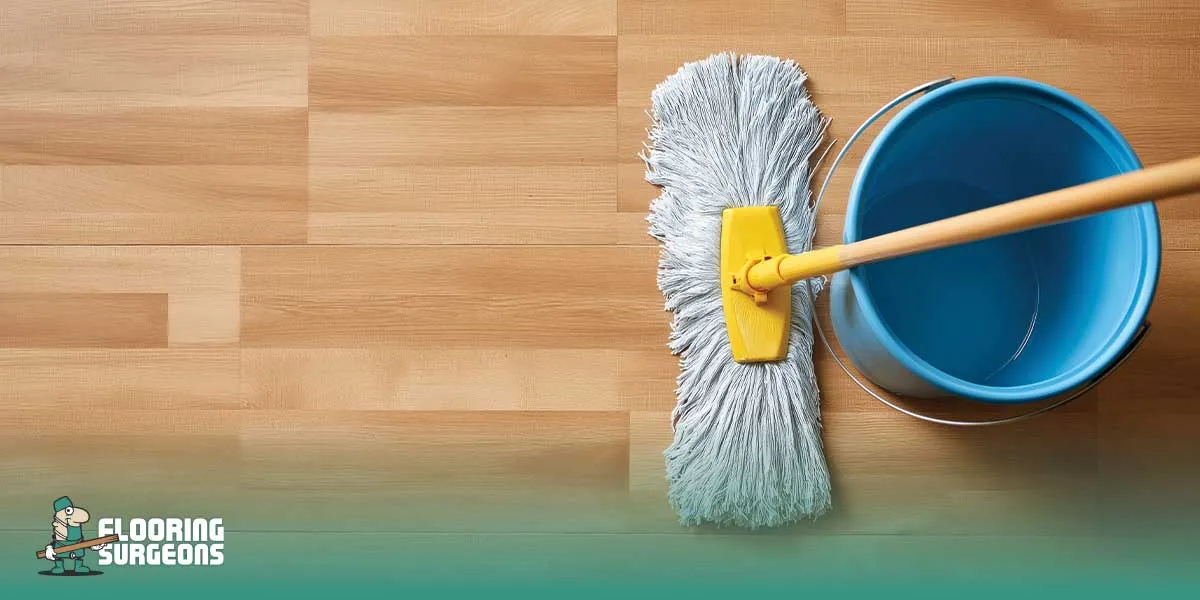
- Use a damp—not wet—mop. Excess water is the enemy of most floating floors.
- Choose pH‑neutral cleaners designed for hard floors.
- Avoid steam cleaners, which can force moisture into joints and cause damage.
- Wipe spills quickly to prevent staining or swelling.
- Use felt pads under furniture to prevent scratches.
These simple habits form the foundation of good floor care, no matter what material you’ve chosen.
Laminate Maintenance
Laminate is durable and low‑maintenance, but it still needs the right approach to stay in top condition.
What to Use
- Microfibre mops for everyday cleaning
- pH‑neutral laminate cleaners
- A lightly damp cloth for spot cleaning
- Vacuum with a hard‑floor attachment to avoid scratching
Laminate floors from brands like Quick‑Step are designed with sealed surfaces that resist stains and wear, so gentle cleaning is usually all they need.
What to Avoid
- Excess water – standing moisture can seep into the joints and cause swelling
- Steam mops – too much heat and moisture
- Abrasive cleaners or scouring pads
- Wax or polish – laminate cannot absorb these products and will become streaky
If you want your laminate to last, keeping moisture to a minimum is the golden rule.
LVT Maintenance
Luxury Vinyl Tile is one of the easiest floors to care for, thanks to its waterproof construction and tough wear layer. Still, a good routine helps it stay looking fresh.
Daily Care
- Sweep or vacuum to remove dust and grit
- Use a damp mop with a vinyl‑safe cleaner
- Wipe spills immediately, especially acidic liquids like wine or juice
- Use doormats to reduce dirt tracked in from outside
LVT is highly resistant to scratches and stains, making it ideal for busy homes, pets, and kitchens.
Deep Cleaning
Every few weeks—or more often in high‑traffic areas—give your LVT a deeper clean:
- Use a specialist LVT cleaner to lift stubborn dirt
- Mop in smooth, overlapping strokes to avoid streaks
- For textured LVT, use a soft‑bristle brush to clean grooves
- Avoid harsh chemicals like bleach or ammonia
If your LVT is from a premium brand such as Quick‑Step, using their recommended cleaning products helps maintain the warranty and ensures the best results.
Engineered Wood Maintenance
Engineered wood brings warmth and natural beauty to your home, but it needs a little more care than laminate or LVT. The right maintenance routine depends on the finish.
Oils vs Lacquers
Oiled floors
- Have a natural, matte appearance
- Need regular re‑oiling to nourish the wood
- Are easier to repair in small areas
- Benefit from gentle, wood‑safe cleaners
Lacquered floors
- Have a more durable, sealed surface
- Resist stains and scratches better
- Require less frequent maintenance
- Should be cleaned with pH‑neutral wood cleaners
Knowing your finish is essential—using the wrong products can dull the surface or cause long‑term damage.
Scratch Repair
Even with careful use, engineered wood can pick up the occasional scratch. Fortunately, most marks can be repaired:
- Minor surface scratches – use a colour‑matched repair pen or wax filler
- Deeper scratches – apply a soft wax kit and buff gently
- Large damaged areas – oiled floors can often be spot‑repaired; lacquered floors may need a full board replacement
Using felt pads, lifting furniture instead of dragging it, and keeping pet nails trimmed all help prevent scratches in the first place.
Seasonal Care Tips
Floors respond to changes in temperature and humidity, especially engineered wood. A few seasonal habits can make a big difference:
Winter
- Use humidifiers to counteract dry indoor air
- Keep mats by entrances to catch rain, snow, and grit
- Avoid leaving wet shoes directly on the floor
Summer
- Maintain airflow to prevent humidity build‑up
- Use blinds or curtains to reduce UV exposure
- Check for signs of expansion around doorways
Year‑Round
- Keep indoor humidity between 40–60% where possible
- Protect floors from direct sunlight to prevent fading
- Rotate rugs and furniture to ensure even wear
These small adjustments help your floors stay stable and beautiful throughout the year.
Authored by Lee McCarthy.
Floor Land
@Cockhedge Shopping Centre
Warrington
Cheshire
United Kingdom
WA1 2QQ
About the Author