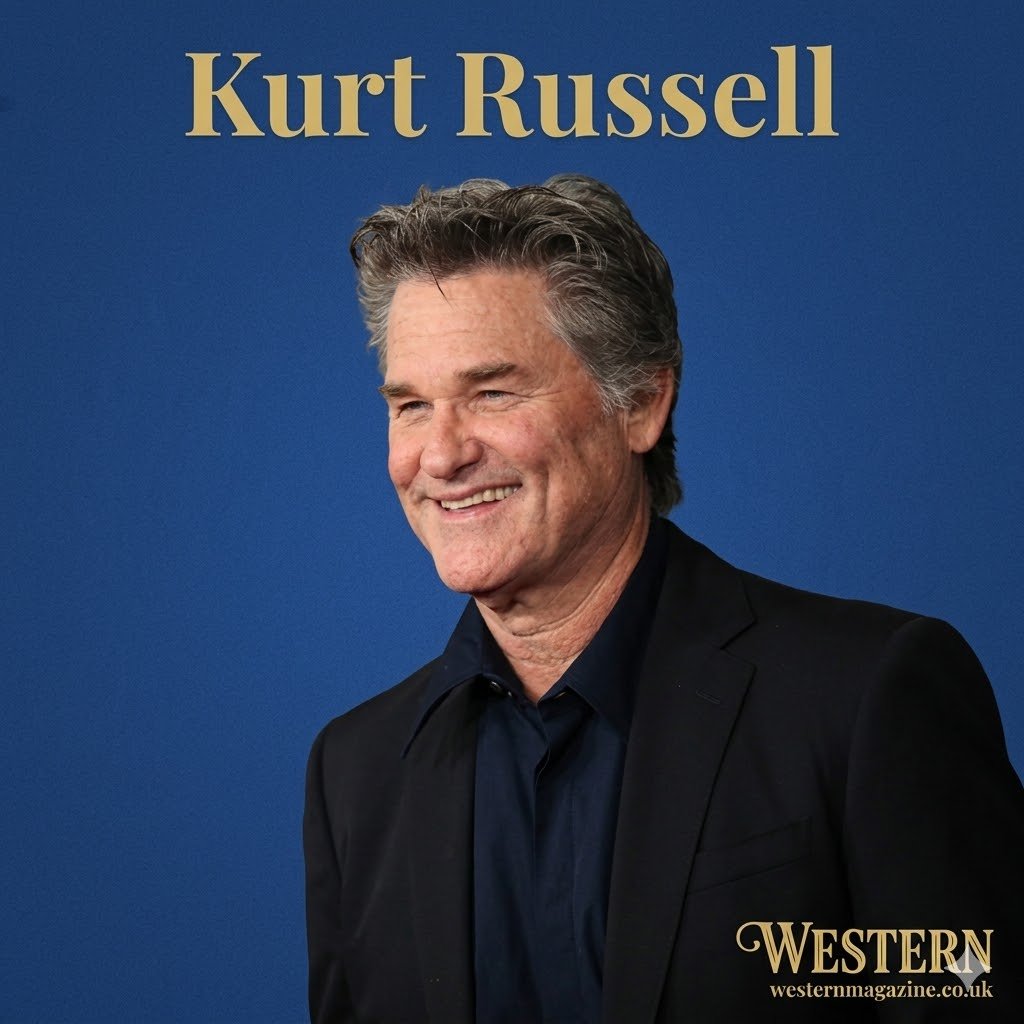
Kurt Russell
Introduction
Kurt Russell is one of the most enduring and versatile figures in Hollywood, known for his long-spanning career that began in childhood and has continued into the 2020s. His work ranges from family-friendly Disney films to gritty action heroes, science fiction classics, and critically acclaimed dramas. Over decades, Russell has demonstrated a rare combination of charm, intensity, and adaptability, making him one of the few actors whose career successfully spans multiple genres and generations. Beyond his professional achievements, his personal life, long-term partnership with Goldie Hawn, and dedication to his craft have contributed to his reputation as a grounded and respected figure in the entertainment industry.
Early Life and Family Background
Kurt Vogel Russell was born on March 17, 1951, in Springfield, Massachusetts. His father, Bing Russell, was both an actor and a minor league baseball player, while his mother, Louise Julia Russell, was a dancer. Growing up in an environment steeped in performance and athletics, Kurt was exposed to the arts and entertainment from an early age. The family eventually moved to California, where Kurt’s upbringing was a combination of traditional schooling, athletic pursuits, and early exposure to the film and television industry through his father.
The Thornton family placed a strong emphasis on resilience, hard work, and independence. This environment shaped Kurt’s ability to navigate Hollywood’s pressures and maintain a career that remains relevant across decades. From a young age, he exhibited a natural charisma and ease in front of the camera, laying the foundation for his future as a leading actor.
Child Acting and Disney Years
Russell began his acting career at age 12, appearing on television shows such as Dennis the Menace and The Travels of Jaimie McPheeters. These early roles established him as a talented and dependable young actor. In the late 1960s, he signed a contract with the Walt Disney Company, becoming one of its most recognizable young stars. Films such as The Computer Wore Tennis Shoes (1969), The Barefoot Executive (1971), and Superdad (1973) cemented his popularity among family audiences and demonstrated his versatility as a performer.
His time at Disney provided not only widespread recognition but also valuable experience working in structured studio environments. Despite the commercial nature of these films, Russell began developing the skill set that would later allow him to transition seamlessly into more mature and complex roles.
Transition to Adult Roles
As Russell matured, he successfully transitioned from child actor to adult performer, a feat that many child stars struggle to achieve. In the 1970s, he took on more serious and challenging projects, including the acclaimed television movie Elvis (1979), in which he portrayed the iconic musician. This performance earned critical praise and highlighted his ability to handle complex, dramatic roles, setting him apart from the typical trajectory of former child actors.
During this period, Russell also explored a wider range of genres, including Westerns, comedies, and thrillers. He demonstrated a willingness to take risks and diversify his career, ensuring his longevity in an industry known for its volatility.
Collaboration with John Carpenter
One of the most defining partnerships of Russell’s career came with director John Carpenter. Together, they created several films that have become cult classics and significantly influenced the science fiction and action genres. Notable collaborations include Escape from New York (1981), The Thing (1982), and Big Trouble in Little China (1986).
In Escape from New York, Russell played the antihero Snake Plissken, a character that became emblematic of 1980s action cinema. His portrayal balanced toughness with a sardonic wit, capturing the attention of audiences and critics alike. The Thing, though initially met with mixed reviews, later became a celebrated example of suspense and horror, with Russell’s grounded performance contributing to its enduring appeal. These films demonstrated his ability to carry genre-defining projects while collaborating with visionary directors.
Versatility in Genre and Style Kurt Russell
Beyond his work with Carpenter, Kurt Russell’s filmography showcases remarkable versatility. He seamlessly moved between romantic comedies like Overboard (1987), action films such as Tango & Cash (1989), historical dramas including Tombstone (1993), and science fiction projects like Stargate (1994). His ability to inhabit both lighthearted and intense roles has made him appealing to a wide audience and allowed him to maintain relevance over decades.
He has also portrayed real-life figures, such as Herb Brooks in Miracle (2004), demonstrating his capacity for nuanced, character-driven performances. These roles highlight not only his adaptability but also his commitment to authenticity and craft.
Kurt Russell Blockbusters and Franchise Work
In the 2000s and 2010s, Russell continued to engage audiences with roles in large-scale productions. He appeared in Quentin Tarantino’s Death Proof (2007), and more recently, he joined the Marvel Cinematic Universe as Ego in Guardians of the Galaxy Vol. 2 (2017). Additionally, he became part of the Fast & Furious franchise, portraying Mr. Nobody, which introduced him to younger audiences and expanded his cultural reach.
These roles in high-profile franchises exemplify Russell’s ability to remain culturally relevant while maintaining the gravitas and charisma that have characterized his career.
Television and Recent Projects Kurt Russell
While primarily known for his film work, Russell has also made significant contributions to television. His recent involvement in the Paramount+ series The Madison (2026) highlights his continued presence in contemporary media. In the series, he portrays Preston Clyburn, whose character is central to the narrative despite dying early in the storyline, appearing in flashbacks and shaping the arc of other characters.
This foray into serialized storytelling illustrates Russell’s adaptability and his willingness to explore new formats, bridging traditional film roles with modern television narratives.
Personal Life and Relationships
Russell’s personal life is closely tied to actress Goldie Hawn. The two renewed a romantic connection in 1983 while filming Swing Shift and have been together for over four decades, though they have never married. They share a son, Wyatt Russell, and Russell also has a son, Boston, from a previous marriage to Season Hubley.
He has also served as a father figure to Hawn’s children, Kate Hudson and Oliver Hudson, demonstrating a commitment to blended family life. Russell and Hawn’s partnership is admired for its longevity, mutual support, and ability to balance Hollywood careers with family stability.
Outside of acting, Russell is a licensed pilot, an avid outdoorsman, and a supporter of humanitarian causes. His interests reflect a desire for personal fulfillment beyond his professional achievements, emphasizing a life rooted in family, adventure, and responsibility.
Acting Philosophy and Style
Kurt Russell is known for his grounded, naturalistic performances and his ability to inhabit characters across genres convincingly. He often combines charisma with intensity, allowing him to portray both heroic and morally complex figures. Directors and co-stars frequently highlight his professionalism, dedication, and willingness to embrace physical and emotional challenges in his roles.
His versatility and consistency have made him a sought-after collaborator for filmmakers who value reliability and depth in leading actors. He has successfully avoided being typecast, continuously exploring new territory in both blockbuster films and independent projects.
Kurt Russell Legacy and Influence
Russell’s legacy in Hollywood is marked by longevity, versatility, and a body of work that spans multiple generations. From child actor to action star to respected veteran, he has maintained relevance while continuously honing his craft. His influence extends to actors who admire his ability to balance commercial appeal with artistic integrity, as well as fans who appreciate the authenticity and charm he brings to each role.
He has received critical acclaim, industry recognition, and awards, including a Critics’ Choice Super Award. While he has never won an Academy Award, his body of work continues to be celebrated as a testament to skill, resilience, and enduring appeal.
Conclusion
Kurt Russell is a quintessential Hollywood figure whose career reflects both talent and adaptability. From his early Disney roles to iconic collaborations with John Carpenter, from romantic comedies to action blockbusters, Russell has demonstrated the ability to remain compelling across genres and decades.
His personal life, characterized by a long-term partnership with Goldie Hawn and a commitment to family, complements his professional achievements. Russell embodies the balance between public success and personal integrity, making him not only a respected actor but also a cultural icon whose career serves as a model for longevity and versatility in entertainment.
About the Author