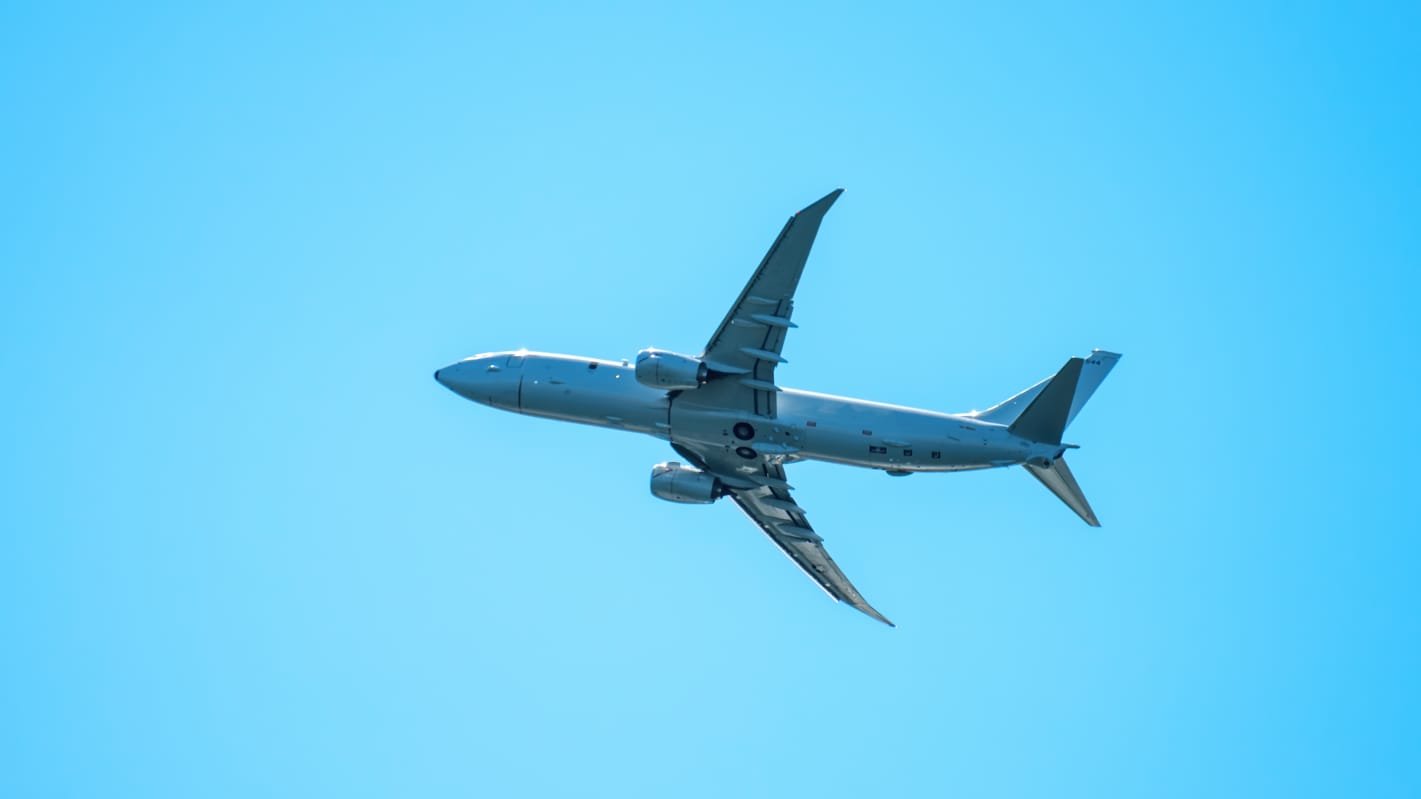
Aircraft
Every plane ages over time. Its metal corrodes, and you cannot stop it. But how fast the corrosion damages your aircraft’s metal parts is up to you. Some planes look old after twenty years, while others look new even after fifty years. To ensure the safety of your aircraft and keep its value for the years to come, you must follow the following tips.
Inspect Regularly
Inspection is the first line of defence. Keep in mind that you cannot fix what you do not see. You should never skip preflight inspection. Walk around and look at everything, including wings, engine, and landing gear. This takes ten minutes and saves thousands.
Additionally, you must look inside the aircraft. Inspect the cockpit, instruments, and circuit breakers. Also, look for the signs of corrosion in hidden places, like near the wheel, behind panels, under seats, and along stringers. Remember, corrosion is always in dark, damp spots.
Moreover, when inspecting your aircraft, check its battery. If it is not working optimally, replace it. Invest in a quality Gill aircraft battery. It starts every time and is more reliable. Trusted suppliers like Pilot John International stock these batteries. They also help you choose the right one for your plane.
Maintain Detailed Records
Paperwork is not just for the FAA. It is also for you. Good records tell you what has been done to your plane and what is due. You must log every flight and maintenance with the date. Also mention what was done, who did it, and what parts are replaced. When something breaks, look back. Has this happened before? Was it fixed right? Is there a pattern?
Records keep you ahead and also help with planning annual inspections. Additionally, proper records increase the resale value of a plane, as buyers pay more for good logs. Therefore, you must maintain the detailed records of your aircraft.
Apply Corrosion Inhibitors
Corrosion is the enemy of your aircraft. It damages its metal parts and weakens its structure. It is hard to stop corrosion once it starts. However, with some smart steps, you can avoid it. You must wash the plane regularly and use wax to protect the paint. You should also apply corrosion inhibitors. These are sprays that leave a protective film. You must apply them inside the wings, fuselage, and doors of your aircraft. They stop moisture and prevent corrosion.
If you find corrosion, treat it immediately. Small spots can be stopped, while large spots require major work. So do not wait. However, if you live in coastal areas, corrosion is worse, as salt air attacks everything. You must wash your plane regularly. Also, inspect even closer and inhibit more often. Additionally, treat scratches right away. Touch up paint and seal bare metal.
Conclusion
Your plane is exposed to many environmental factors and harsh weather conditions. You must take good care of it and protect it from corrosion. Inspect regularly and look everywhere to find problems early. Furthermore, you must apply corrosion inhibitors to stop rust before it starts. Also, do not forget to maintain detailed records. Know your plane’s history and plan ahead accordingly.
About the Author