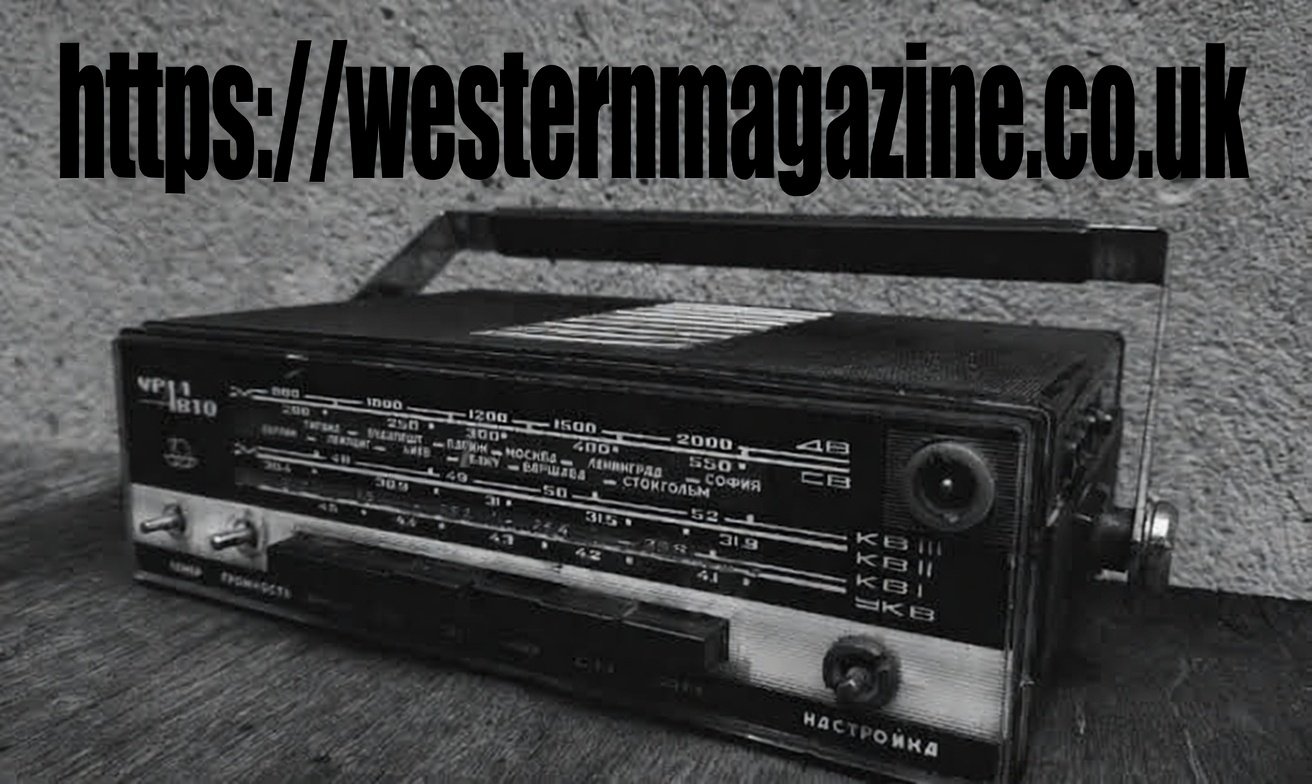
Rádiem
Introduction
Language carries both meaning and context, and single words can reveal entire worlds of grammar, culture, and technology. The Czech word rádiem is one such example. While simple in form, it embodies principles of language structure, communication, and human interaction. Rádiem is commonly understood as the instrumental case of the word rádio, meaning “by means of radio” or “through the radio.” This article explores the meaning of rádiem, its grammatical context, historical significance, applications in modern technology, and cultural relevance, highlighting why even a single word can offer deep insights into communication and society.
The Linguistic Meaning of Rádiem
Rádiem is the instrumental case of the Czech noun rádio, which translates as “radio” in English. In Czech grammar, the instrumental case is used to indicate the means by which an action is performed, equivalent to the English phrases by, with, or through.
For example, in a sentence:
- Kontaktovali jsme je rádiem.
We contacted them by radio.
Here, rádiem does not just indicate the presence of a radio; it specifies that the radio was the instrument used to perform the communication. This highlights the Czech language’s ability to encode relationships between actions and tools directly into noun forms, a feature characteristic of Slavic languages.
Understanding the Instrumental Case
To fully grasp rádiem, it is essential to understand its grammatical function. The instrumental case in Czech allows speakers to describe actions involving tools, methods, or companions. This case often answers the question “how?” or “by what means?”
Examples of other instrumental forms include:
- autem – by car
- telefonem – by phone
- rukou – by hand
Rádiem fits into this pattern as the means of transmitting or receiving communication through a radio device. Its form changes depending on number, gender, and declension rules, reflecting Czech grammar’s highly inflected nature. Mastering these cases is essential for fluency, and rádiem serves as a clear example of this linguistic structure.
Historical Roots of Rádiem
The root of rádiem, rádio, originates from the Latin word radius, meaning “ray” or “beam.” Over centuries, this evolved into the modern term “radio,” denoting both electromagnetic waves and the devices that receive them. In the Czech language, rádio was adopted from English and adapted to local grammatical rules, resulting in the instrumental form rádiem.
Historically, radios played a central role in communication during the 20th century, providing news, music, and entertainment to households across Europe. The language evolved to reflect this technology, with rádiem serving as the term describing actions performed via the radio medium, from sending messages to broadcasting content.
Rádiem in Everyday Czech Usage
Rádiem appears in a variety of contexts in modern Czech:
- Communication: Informace byla zaslána rádiem. (The information was sent by radio.)
- Technology: Hodiny jsou řízeny rádiem. (The clock is radio-controlled.)
- Broadcasting: Rozhlasová stanice vysílá zprávy rádiem. (The radio station broadcasts news via radio.)
These examples illustrate the versatility of rádiem, demonstrating how a grammatical case transforms a simple noun into a functional part of expression. It conveys not just what is used, but how an action is performed.
Cultural Significance of Radio
Beyond grammar, rádiem reflects the cultural importance of radio in Czech society and beyond. Radios were once the primary medium for disseminating information, connecting communities, and providing entertainment. Families would gather to listen to broadcasts, creating shared cultural experiences.
Even with the rise of television, the internet, and digital streaming, the concept of radio remains culturally significant. Czech speakers continue to use rádiem to describe the act of communication through radio signals, preserving the historical importance of the medium in language itself.
Modern Applications: Digital and Technological Contexts
Although traditional radio has evolved, rádiem maintains relevance in modern technology. The phrase can apply to radio-controlled devices, broadcast synchronization, or digital audio transmission. Examples include:
- Radio-controlled clocks: Hodiny synchronizují čas rádiem.
- Wireless systems: Zařízení komunikuje rádiem. (The device communicates via radio.)
- Emergency communication: Hlídky byly informovány rádiem. (The patrols were informed by radio.)
In each case, rádiem denotes the tool or medium through which the action occurs, showing how language adapts to technological developments while preserving grammatical precision.
Comparison to Other Languages
Rádiem exemplifies how Slavic languages encode relational meaning into word forms rather than relying solely on prepositions. In English, the sentence “We contacted them by radio” requires the preposition by. In Czech, the noun itself changes to express the same concept, reflecting a linguistic economy that packs meaning into word endings.
This grammatical approach gives Czech speakers a nuanced way to express tools, methods, and means of action succinctly. Similar constructions exist in Polish and Russian, highlighting the shared Slavic approach to cases and instrumental forms.
Linguistic Evolution and Flexibility
Over time, words like rádiem evolve beyond literal usage. While its primary function is grammatical, it also conveys historical and cultural associations. Modern Czech continues to employ rádiem’s in both technical contexts and metaphorical expressions. For example, the phrase can be used in literature or poetry to evoke connection, communication, or distance mediated by a device, blending literal and figurative meaning.
Education and Learning Applications
For students of Czech as a second language, rádiem’s provides a useful entry point into Slavic grammar. By studying instrumental case usage, learners can understand how nouns interact with verbs and prepositions. Practice with sentences like:
- Rozhlasové zprávy byly vysílány rádiem. (The radio news was broadcast by radio.)
helps learners internalize the rules of declension, case endings, and functional usage in real-life contexts.
Rádiem and Communication Philosophy
On a conceptual level, rádiem’s reflects the broader philosophy of mediated communication. Radios are tools that enable remote interaction, bridging gaps in distance and geography. The instrumental form in language emphasizes the role of tools in human action, showing how grammar can capture not just the object but its functional relationship to events.
Contemporary Relevance
Even in the digital era, rádiem’s remains relevant. From educational broadcasts to emergency communication systems and synchronized devices, the concept of sending or receiving information by radio continues to be important. Additionally, the word retains historical resonance, reminding speakers of earlier communication technologies and the role of radio in shaping culture.
Conclusion
Rádiem’s is more than a simple Czech word. It is a grammatical, cultural, and technological concept that illustrates how language interacts with society, history, and innovation. By examining its usage, meaning, and context, we gain insight into both the Czech language and the enduring significance of radio as a medium. Whether used to describe communication, technological processes, or cultural traditions, rádiem’s demonstrates the depth that a single word can carry, bridging the past and present in language and thought.
About the Author