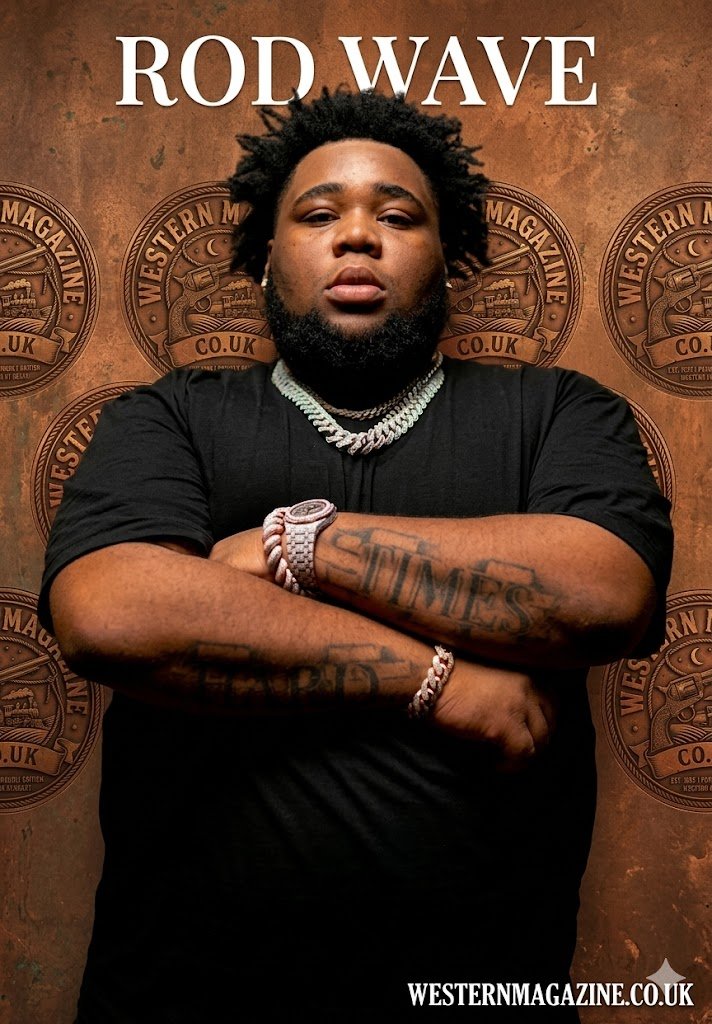
Rod Wave
Introduction
Rodarius Marcell Green, professionally known as Rod Wave, is one of the most emotionally compelling voices in modern hip-hop. His music blends rap, soul, and R&B to create a sound often called “soul-trap,” where raw street narratives meet vulnerability and introspection. Rod Wave’s lyrics are deeply personal, often touching on pain, struggle, resilience, and triumph, making him a voice for listeners who feel unheard.
Despite rapid commercial success, Rod Wave’s artistry remains rooted in authenticity. His journey — from a challenging childhood in St. Petersburg, Florida, to Billboard-topping albums and worldwide recognition — is as much a story of perseverance as it is of musical genius.
1. Early Life and Upbringing
Rod Wave was born Rodarius Marcell Green on August 27, 1998, in St. Petersburg, Florida. He grew up in a challenging environment marked by financial instability and familial difficulties. His parents separated when he was young, and his father spent significant time in prison, leaving the household in a constant state of uncertainty.
Growing up without consistent parental guidance, Rod often navigated the streets to survive. He was exposed to crime, poverty, and hardship, experiences that would later heavily influence his music. Despite these obstacles, Rod showed early promise in music, drawing inspiration from the emotional experiences of his life and surroundings.
He attended local schools in St. Petersburg and participated in choir programs, where his talent for singing and storytelling began to surface. Even at a young age, Rod displayed a natural ability to convey emotion through his voice, foreshadowing the depth and vulnerability that would define his artistry.
2. Early Musical Influences
Rod Wave’s music reflects a combination of hip-hop, R&B, and soul influences. He often cites artists like Kevin Gates, 50 Cent, and E-40 as early inspirations, noting their ability to tell compelling stories rooted in their own experiences.
His early exposure to gospel music and the emotional storytelling traditions of the church also shaped his approach to melody and phrasing. These influences helped Rod develop a style that balances rap lyricism with soulful vocal delivery — a hallmark of his sound.
3. Struggles and Survival
Rod Wave’s early life was marked by numerous struggles. As a teenager, he engaged in activities such as petty theft and other street-level survival strategies. These experiences exposed him to the harsh realities of life, creating a deep well of material for his music.
The loss of family members and friends to violence and incarceration added layers of trauma, which Rod later channeled into songwriting. His music often explores themes of pain, loss, and perseverance, resonating with fans who face similar struggles.
Despite these hardships, Rod found solace in music. He began recording at home, using basic equipment to capture his ideas and emotions. These early recordings were raw but powerful, laying the groundwork for his distinctive voice and style.
4. The Road to Professional Music Rod Wave
Rod Wave’s transition from an aspiring artist to a professional musician involved both talent and strategic decision-making. He initially released music on platforms like SoundCloud, building a grassroots following through his honest storytelling and emotive vocals.
His breakout came when his song “Heart on Ice” began gaining traction online. The song’s combination of vulnerability, melodic singing, and streetwise lyricism struck a chord with listeners, ultimately leading to a broader fanbase and attention from record labels.
In 2018, Rod Wave signed with Alamo Records, which provided professional support while allowing him to retain creative control. This partnership enabled him to focus on refining his craft and expanding his reach.
5. Breakthrough: Heart on Ice and Ghetto Gospel
Rod Wave’s national breakthrough came in 2019 with “Heart on Ice,” a song that showcased his ability to blend emotional depth with mainstream appeal. The track went viral on social media, particularly on platforms like TikTok, and became his signature song.
Following this success, Rod released his debut studio album, Ghetto Gospel, which featured themes of struggle, resilience, and hope. The album peaked at No. 10 on the Billboard 200, signaling his arrival as a significant figure in hip-hop. Critics praised his ability to express vulnerability without compromising street credibility, setting him apart from many contemporaries.
6. Continued Success: Pray 4 Love and Chart-Topping Albums
Rod Wave continued to build momentum with his second album, Pray 4 Love (2020). The album debuted at No. 2 on the Billboard 200 and included tracks like “Rags2Riches” and “Dark Clouds.” The record solidified his reputation for blending rap with soulful, melodic hooks that explore personal pain and resilience.
Subsequent albums further cemented his position as a leading voice in the genre:
- SoulFly (2021): His first No. 1 album, featuring collaborations with artists like Lil Durk and exploring themes of personal struggle and triumph.
- Beautiful Mind (2022): Another No. 1 debut, showcasing his evolving sound and deeper lyrical content.
- Nostalgia (2023): Focused on reflection and memory, blending soul, trap, and R&B.
- Last Lap (2024): Continued commercial success and artistic growth, emphasizing emotional storytelling and melodic innovation.
Through these releases, Rod Wave has consistently demonstrated an ability to connect with fans by sharing universal themes of heartache, perseverance, and personal growth.
7. Rod Wave Musical Style and Themes
Rod Wave’s musical style is characterized by:
- Soulful Melodies: Drawing on R&B and gospel influences, Rod’s singing adds depth to his rap lyrics.
- Emotional Vulnerability: He openly addresses personal pain, depression, and heartbreak.
- Authenticity: His lyrics are often autobiographical, reflecting real-life struggles and street experiences.
- Genre Fusion: By blending rap, soul, and R&B, he helped define the “soul-trap” sound.
Themes across his work include the challenges of growing up in poverty, the complexities of relationships, mental health struggles, family dynamics, and the pursuit of success despite adversity.
8. Personal Life and Family
Rod Wave has kept much of his personal life private. He has children with longtime partner Kelsey “Dee” Coleman, and his music often references the importance of family, resilience, and personal responsibility.
He draws inspiration from his experiences as a father and son, often reflecting on his own childhood challenges and the desire to provide stability and guidance for his children.
9. Legal Challenges and Controversies Rod Wave
While his music career has soared, Rod Wave has faced legal difficulties. In 2025, he was arrested in Georgia on drug and firearm-related charges while simultaneously earning a Grammy nomination for his song “Sinners.” Earlier that year, he faced additional charges linked to a home incident. His legal team has consistently asserted his innocence or argued for misunderstanding of circumstances.
These incidents briefly drew media attention but did not significantly derail his career or popularity. Rod Wave remains one of hip-hop’s most compelling voices, with fans rallying around his artistry.
10. Notable Rod Wave Tracks and Fan Favorites
Rod Wave’s discography includes a range of tracks that highlight his storytelling ability:
- “Heart on Ice” – Emotional vulnerability and raw introspection.
- “Rags2Riches” – A narrative of struggle and triumph, particularly in collaboration with Lil Baby.
- “Dark Clouds” – Addressing pain, depression, and life challenges.
- “Already Won” – Celebrating success while maintaining introspection.
- “Time Heals” – Reflecting on recovery and moving forward.
- “Sinners” – Tied to a film soundtrack, emphasizing resilience and redemption.
Fans are drawn to the sincerity and relatability in his lyrics, finding comfort and validation in his candid storytelling.
11. Rod Wave Cultural Impact and Legacy
Rod Wave’s influence extends beyond chart success. He has become a voice for those navigating emotional struggles, hardship, and personal growth. His music provides a sense of connection and empathy, offering listeners a mirror for their own experiences.
Through his authenticity, Rod Wave has challenged norms in hip-hop, proving that emotional vulnerability can coexist with street credibility. His legacy is not just measured in album sales or streaming numbers, but in the profound emotional resonance he creates with fans worldwide.
Conclusion
Rod Wave’s journey — from a challenging childhood in St. Petersburg to becoming a global music sensation — is a story of resilience, authenticity, and artistic courage. His music speaks to the pain, hope, and humanity that connect us all. By combining soulful melodies, introspective lyrics, and trap sensibilities, Rod Wave has carved a unique place in modern music, leaving a lasting imprint on fans and the industry alike.
Through vulnerability, honesty, and unwavering dedication to his craft, Rod Wave demonstrates that true artistry comes from lived experience and emotional truth, solidifying his position as one of the most influential and compelling voices of his generation.
About the Author