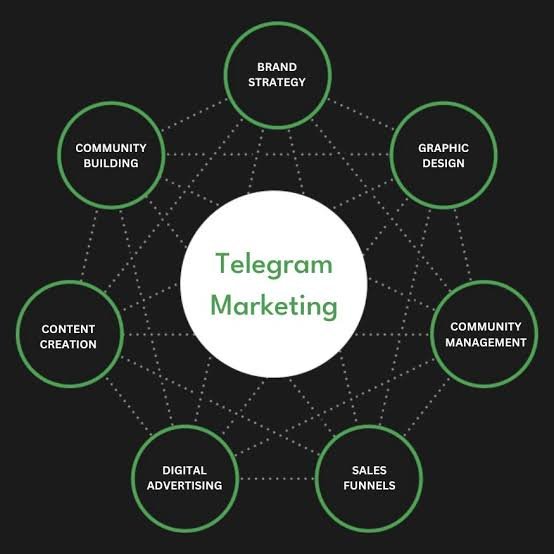
Telegram Marketing
For startups, speed matters. You don’t have years to build brand awareness or unlimited budgets to test every acquisition channel. You need traction, community, and early adopters fast. That’s exactly why Telegram has become one of the most powerful platforms for startup growth.
Telegram combines messaging, community building, content distribution, automation, and advertising in one ecosystem. But simply creating a channel isn’t enough. To see real results, startups need a structured 30-day launch plan that turns Telegram into a growth engine.
Here’s how to approach your first month strategically.
Week 1: Foundation and Positioning
The first seven days are about clarity and setup. Before inviting a single user, define the role Telegram will play in your startup’s growth strategy. Will it be your main community hub? A customer support channel? A product update stream? A lead generation funnel?
Start by creating a branded Telegram channel and, if necessary, a discussion group connected to it. Your channel should clearly communicate what users will gain by joining. Write a strong description, pin a welcome message, and publish at least five to seven high-quality posts before promoting it. Early visitors should see immediate value, not an empty feed.
This is also the time to decide on your content pillars. For example, a SaaS startup might focus on product insights, founder transparency, user case studies, and educational content. Consistency from day one builds credibility.
Week 2: Audience Acquisition and Initial Traffic
Once your foundation is ready, shift to growth. Organic growth on Telegram is possible, but startups typically need an initial push.
Begin by inviting your existing audience. Email subscribers, early beta users, LinkedIn followers, and website visitors should all be informed about your Telegram presence. Add Telegram CTAs to your website and onboarding emails.
At the same time, explore paid promotion options. Telegram Sponsored Messages allow you to reach users inside relevant public channels. Influencer placements within niche Telegram communities can also drive highly targeted traffic.
Many startups accelerate this phase by working with specialists who understand the platform’s nuances. Agencies experienced in telegram marketing’s can help structure growth campaigns, identify high-performing channels, and avoid wasted ad spend during these critical early weeks.
The goal for week two is simple: reach your first meaningful audience milestone while maintaining engagement quality.
Week 3: Engagement and Funnel Optimization
Traffic alone is not success. Engagement determines whether your Telegram channel becomes a real asset.
Start analyzing user behavior. Which posts get the most reactions or shares? What questions do users ask in discussions? Use this feedback to refine your content.
Introduce interactive elements. Polls, short Q&A sessions, founder updates, or early feature previews increase participation. If your startup has a product demo, consider launching a Telegram bot that guides users through it directly inside the app.
This week is also ideal for building your conversion flow. If your goal is product sign-ups, ensure your pinned message clearly directs users to the next step. If you’re focused on investor awareness or partnerships, create content tailored to that audience segment.
The aim is to move users from passive subscribers to active participants.
Week 4: Scaling and Monetization Preparation
By week four, you should have early data and user feedback. Now it’s time to scale intelligently.
Double down on content formats that perform well. Refine your messaging based on comments and engagement metrics. If paid ads are delivering results, consider increasing budget gradually while maintaining ROI targets.
This is also when you begin preparing for monetization or deeper funnel actions. That could mean launching a limited-time offer for Telegram members, running a webinar exclusive to subscribers, or promoting a beta feature for early adopters.
Telegram’s advantage for startups is direct communication. Use it to create exclusivity and urgency. Make your Telegram audience feel like insiders.
Key Metrics to Track in the First 30 Days
During your first month, focus on practical growth indicators. Track subscriber growth rate, post engagement, click-through rates to your product, and conversion from Telegram to signup or purchase.
Avoid vanity metrics. A smaller engaged audience is far more valuable than thousands of inactive subscribers. Telegram’s algorithm doesn’t limit reach the way other platforms do, so quality engagement compounds over time.
Common Mistakes Startups Should Avoid
Many startups treat Telegram as just another broadcast channel. Posting infrequently, ignoring comments, or failing to provide real value can stall growth quickly.
Another common mistake is pushing sales too aggressively too early. Telegram users value community and authenticity. Lead with value, not constant promotion.
Finally, don’t abandon the channel if growth feels slow in the first two weeks. Telegram compounds over time. Consistency is what turns it into a long-term acquisition and retention asset.
Why Telegram Can Become a Startup’s Growth Engine
For startups, Telegram offers something rare: direct access to your audience without algorithm interference. Every subscriber sees your updates. Every interaction strengthens brand trust.
In just 30 days, a well-structured Telegram strategy can help you validate messaging, build early adopters, collect feedback, and generate real conversions. Few platforms offer that combination of speed, intimacy, and scalability.
The startups that win on Telegram are not the loudest – they are the most consistent and strategic. If you treat your first 30 days as a launch sprint rather than an experiment, Telegram can become one of your strongest growth channels moving forward.
About the Author