ADHD and Skin Picking
You might not realize how often ADHD shapes repetitive behaviors until you find yourself picking without meaning to. People with ADHD commonly experience skin picking as a way to self-soothe, manage restlessness, or respond to impulsive urges, and understanding that link changes how you approach treatment and coping.
This post ADHD and Skin Picking will explain why ADHD can drive skin picking, point out what typically triggers it, and show practical strategies you can use to reduce harm and regain control of your skin and impulses. Expect clear, evidence-informed steps that help you spot patterns, build safer habits, and know when to seek professional support.
Understanding the Connection Between ADHD and Skin Picking
You will learn what skin picking disorder looks like, how ADHD-related brain differences and behaviors increase risk, and which triggers and symptoms to watch for. The next parts explain diagnostic features, mechanisms linking the two conditions, and common warning signs.
What Is Skin Picking Disorder?
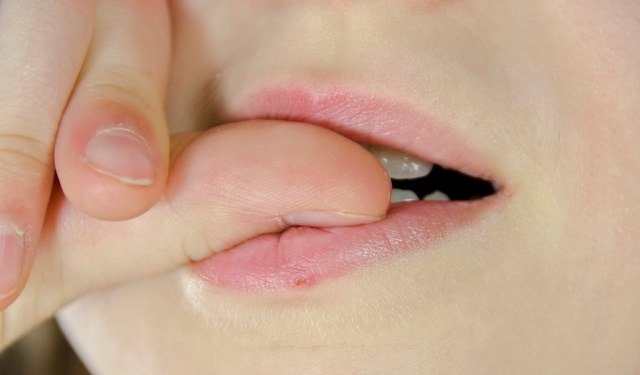
Skin picking disorder (excoriation disorder) is a repetitive behavior where you intentionally pick, scratch, or dig at your skin, causing tissue damage. Clinically, it becomes a disorder when picking leads to noticeable wounds, medical complications, or significant distress and interferes with daily life.
Signs include visible lesions, scabs, scarring, and attempts you make to stop without success. Triggers often follow tactile sensations (bumps, rough patches) or emotional states (boredom, anxiety). Diagnosis relies on history and observed behavior; dermatologists or mental health clinicians assess frequency, impairment, and rule out medical causes like dermatologic disease or substance effects.
How ADHD Contributes to Skin Picking
ADHD increases risk through impulsivity, difficulty regulating emotions, and a higher need for sensory stimulation. When you feel restless or under-stimulated, picking can act as a quick, immediately rewarding behavior that reduces tension or provides sensory feedback.
Executive function deficits make it harder for you to inhibit urges and to maintain awareness of picking until damage occurs. Co-occurring anxiety or obsessive-compulsive symptoms can amplify repetitive behaviors. Medications and behavioral treatments for ADHD sometimes reduce picking by improving impulse control and attention, but targeted interventions for skin picking are often necessary alongside ADHD treatment.
Common Triggers and Symptoms
Common triggers include stress, boredom, visual or tactile skin irregularities, fatigue, and scenes that demand low cognitive engagement (watching TV, reading). You might also pick in response to negative emotions or after repetitive checking behaviors.
Symptoms you should note: persistent or recurrent picking, failed attempts to stop, noticeable skin lesions, time-consuming rituals (minutes to hours), and social or occupational impairment. Keep a simple log of when picking happens and what you felt beforehand — frequency, context, and emotion — to spot patterns and bring concrete information to your clinician.
- Red flags: open wounds, infections, spreading scarring
- Helpful tracking items: time of day, activity, mood, location, perceived trigger
Effective Strategies for Managing ADHD-Related Skin Picking
Target practical change: identify triggers, replace picking with safer actions, use evidence-based treatments, and shape your environment so picking becomes harder and less automatic.
Behavioral Interventions
Start with habit-reversal training (HRT). You learn to notice the urge, perform a competing response (e.g., clenching your fist or squeezing a stress ball for 1–3 minutes), and then relax. Track episodes in a simple log: time, trigger, intensity, and alternative behavior used.
Use stimulus control: limit access to mirrors or magnifying devices during high-risk times and keep fingernails short or gloves nearby. Add visual cues and reminders—sticky notes or a wristband—to prompt alternative actions. Combine HRT with mindfulness exercises that focus on urge awareness for 30–60 seconds instead of reacting immediately.
Gradually build rewards for success. Use a points system for days or hours without picking and trade points for small, meaningful rewards. If you struggle alone, involve a trained coach or therapist to guide practice and troubleshoot barriers.
Medical and Therapeutic Approaches
Talk to a clinician about first-line options: cognitive-behavioral therapy (CBT) adapted for body-focused repetitive behaviors and habit-reversal training are core approaches. Medication isn’t first-line but may help when comorbid conditions like anxiety, depression, or severe ADHD symptoms worsen picking. Stimulant treatment for ADHD can reduce impulsivity and sometimes lowers picking frequency.
Consider SSRIs if a psychiatrist evaluates compulsive features or co-occurring mood disorders. Dermatologic care matters too: see a dermatologist for wound care, infection prevention, and topical treatments that reduce irritation and itch—making picking less reinforcing. Coordinate care: share notes between prescriber, therapist, and dermatologist so treatments align.
Creating Supportive Environments
Change your immediate environment to reduce cues and increase friction. Keep accessible fidget tools, textured fabrics, or put adhesive bandages on common picking sites. Rearrange spaces that trigger picking—move work setup, change lighting, or limit time alone during high-risk periods.
Engage people you trust: ask them to offer nonjudgmental reminders or to help you implement a rewards plan. Use technology: set timed phone prompts for short breaks with alternative activities, or install apps that track urges and successes. Plan for setbacks by drafting a brief action plan: three quick alternative actions, one phone contact, and a wound-care step—keep it visible.
About the Author