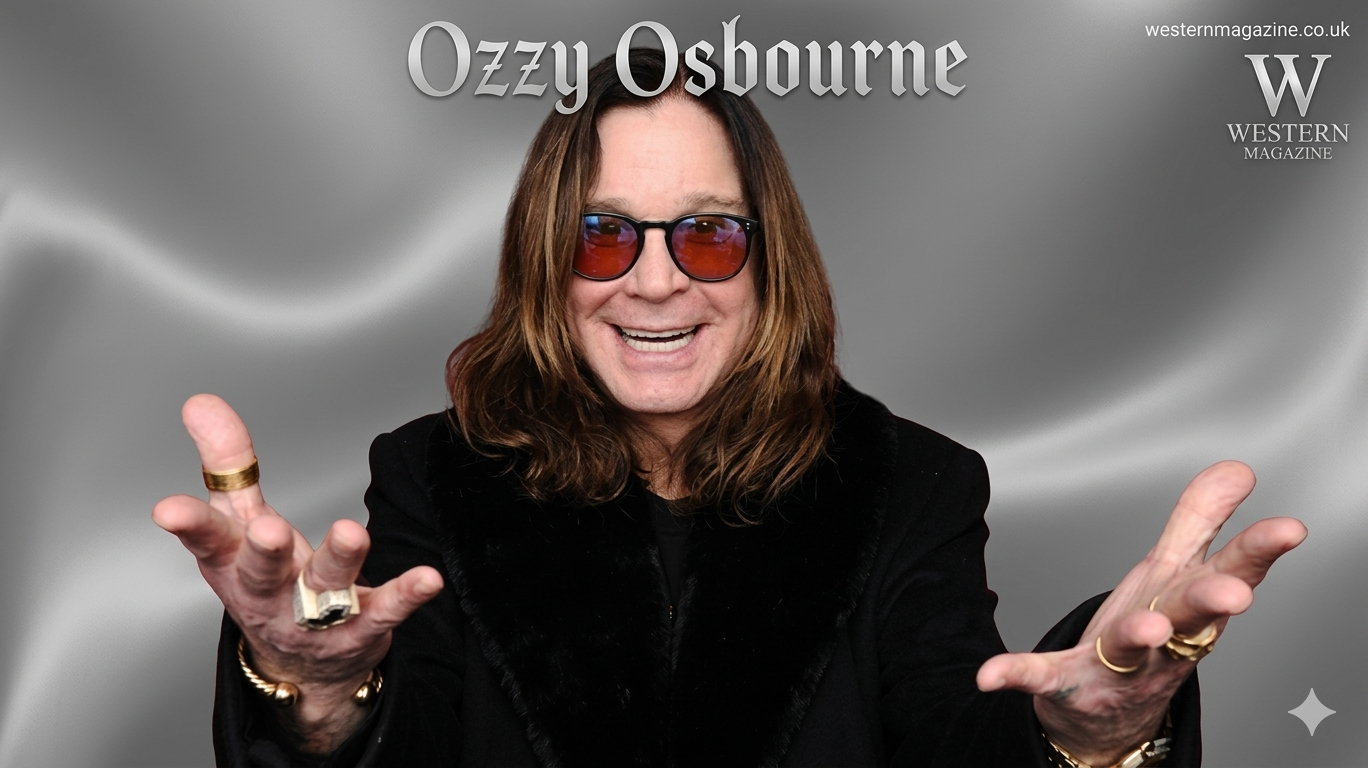
Ozzy Osbourne
John Michael “Ozzy” Osbourne (3 December 1948 – 22 July 2025) was an English singer, songwriter, and television personality widely regarded as one of the most influential figures in rock and heavy metal music. Known as the Prince of Darkness, Osbourne first rose to fame as the lead vocalist of the pioneering band Black Sabbath, before forging a successful solo career that cemented his status as a global rock icon. His life was a mixture of musical triumph, personal struggles, and media spectacle, making him one of the most recognizable and enduring figures in popular culture.
Early Life and Upbringing
Ozzy Osbourne was born in Marston Green, Warwickshire, England, and grew up in the working-class city of Birmingham. From a young age, he faced challenges at school and in life, struggling with authority and often finding himself in trouble. Despite these difficulties, Osbourne discovered an early passion for music, which became his refuge and lifelong pursuit. He immersed himself in the local music scene, playing with various bands and experimenting with vocal styles that would later define his signature sound.
His early life in post-war Birmingham exposed him to the grit and determination that would become hallmarks of his career. Surrounded by industrial landscapes and a close-knit community, he developed resilience and a tenacity that would serve him well in the turbulent world of rock music. These formative years set the stage for his eventual entry into professional music and the formation of the band that would change rock forever.
Black Sabbath and the Birth of Heavy Metal
In 1968, Osbourne co-founded Black Sabbath with guitarist Tony Iommi, bassist Geezer Butler, and drummer Bill Ward. The band’s music, characterized by heavily distorted guitar riffs, dark lyrical themes, and powerful vocals, laid the foundation for the heavy metal genre. Their self-titled debut album, released in 1970, is widely considered a landmark in rock history, with tracks like “Black Sabbath” and “N.I.B.” introducing audiences to a heavier, more ominous sound that contrasted sharply with the rock and blues music of the era.
Osbourne’s voice — haunting, powerful, and instantly recognizable — became a defining element of Black Sabbath’s sound. Albums like Paranoid (1970) and Master of Reality (1971) propelled the band to international success and cemented their role as trailblazers in heavy metal. The combination of innovative music, dark thematic content, and theatrical stage presence earned Osbourne the moniker “Prince of Darkness” and made Black Sabbath a cultural phenomenon.
Departure from Black Sabbath and Solo Career
By the late 1970s, internal tensions, substance abuse, and Osbourne’s increasingly erratic behavior led to his departure from Black Sabbath in 1979. This marked the beginning of a solo career that would establish him as a major force in music independent of his former band.
His debut solo album, Blizzard of Ozz (1980), featured guitarist Randy Rhoads and included classic tracks like “Crazy Train” and “Mr. Crowley.” These albums combined virtuosic guitar work with Osbourne’s distinct vocals and darkly theatrical style. His subsequent albums, including Diary of a Madman (1981) and Bark at the Moon (1983), solidified his position as a leading figure in heavy metal and mainstream rock alike. Over his career, he released thirteen solo studio albums, several of which achieved multi-platinum status.
Television Stardom and Cultural Icon Ozzy Osbourne
In the early 2000s, Osbourne reached a new level of mainstream recognition with the MTV reality show The Osbournes, which followed his family life with wife Sharon and their children Kelly, Jack, and Aimee. The show revealed a humorous and often chaotic side of Osbourne, endearing him to audiences beyond the rock music fanbase.
The Osbournes made Osbourne a household name, blending rock star mythology with everyday family life. He became a symbol of both the excesses and the humanity of rock culture, showing that even the most iconic figures could be relatable, flawed, and entertaining in their personal lives.
Ozzy Osbourne Personal Struggles and Health Challenges
Throughout his life, Ozzy Osbourne faced significant personal challenges. He battled drug and alcohol addiction for decades, which contributed to his notorious reputation for erratic behavior and onstage antics. These struggles often overshadowed his achievements but also became part of his public persona, enhancing the “Prince of Darkness” image that fans associated with him.
In 2003, he suffered a serious quad-bike accident that resulted in significant injuries, and in 2020, he publicly revealed his diagnosis with Parkinson’s disease. Despite these health issues, Osbourne continued to perform, record, and engage with fans, demonstrating resilience and a commitment to his music.
Ozzy Osbourne Final Performances and Retirement
In early 2025, Osbourne announced that he would retire from live performance due to declining health and the effects of Parkinson’s disease. On 5 July 2025, he performed his final concert with a Black Sabbath reunion in Birmingham, his hometown, seated on stage due to mobility issues. The performance was both a celebration of his career and an emotional farewell to fans who had followed him for decades.
His retirement was short-lived in the public eye, as just seventeen days later, on 22 July 2025, Ozzy Osbourne passed away at the age of 76, surrounded by his family. The announcement prompted worldwide tributes, honoring his immense contributions to music and culture.
Legacy in Music Ozzy Osbourne
Ozzy Osbourne’s impact on rock and heavy metal music is immeasurable. As the frontman of Black Sabbath, he helped create and popularize a genre that influenced countless musicians and spawned entire subcultures. His solo career demonstrated his ability to reinvent himself while remaining true to the theatrical and darkly powerful style that defined his work.
He sold over 115 million records worldwide, received multiple Grammy Awards, and was inducted into the Rock & Roll Hall of Fame twice — first with Black Sabbath in 2006, and later as a solo artist. His music continues to inspire new generations of musicians and fans alike.
Family and Personal Life
Osbourne’s family was central to his life. His marriage to Sharon Osbourne lasted more than forty years, during which she managed his career and provided personal stability amid the chaos of fame. Their children, Kelly, Jack, and Aimee, pursued careers in entertainment and media, often appearing alongside him on television. The family’s visibility in media contributed to Osbourne’s status as a cultural icon beyond the music industry.
Influence on Popular Culture
Ozzy Osbourne’s influence extends beyond music. He helped shape perceptions of rock musicians in popular culture, blending rebellion, dark imagery, and humor. His persona, stage presence, and media appearances contributed to the mythology of rock and metal, making him a symbol of both excess and resilience.
Through initiatives like Ozzfest, he helped introduce new generations of metal and hard rock artists to international audiences, creating a lasting impact on the live music scene and festival culture.
Ozzy Osbourne Awards and Recognition
Over his career, Osbourne received numerous awards and honors. These include Grammy Awards for his solo work, inductions into multiple halls of fame, and international recognition for his contributions to music. He was widely regarded not only for his talent but also for his enduring influence, both as a musician and as a larger-than-life figure in global popular culture.
Conclusion
Ozzy Osbourne’s life and career encapsulate the essence of rock and heavy metal: innovation, rebellion, excess, and enduring artistry. From his groundbreaking work with Black Sabbath to his solo career and television fame, he left an indelible mark on music and culture. Despite personal struggles, health challenges, and controversy, his legacy as a pioneering figure in heavy metal, a global entertainer, and an enduring cultural icon remains unchallenged. His story is one of resilience, creativity, and the enduring power of music to transcend generations.
About the Author