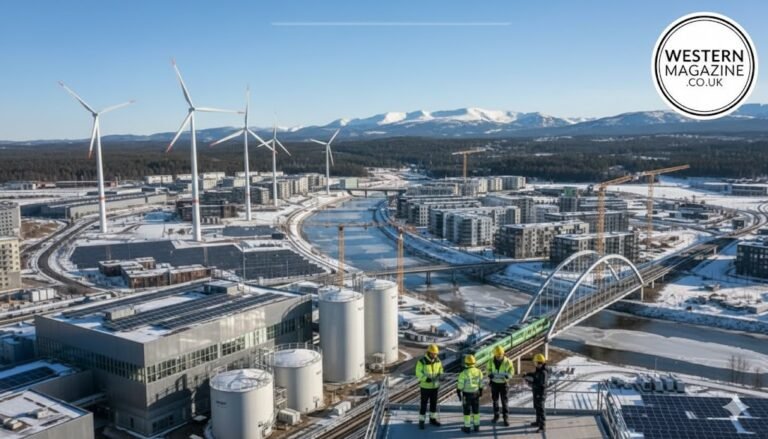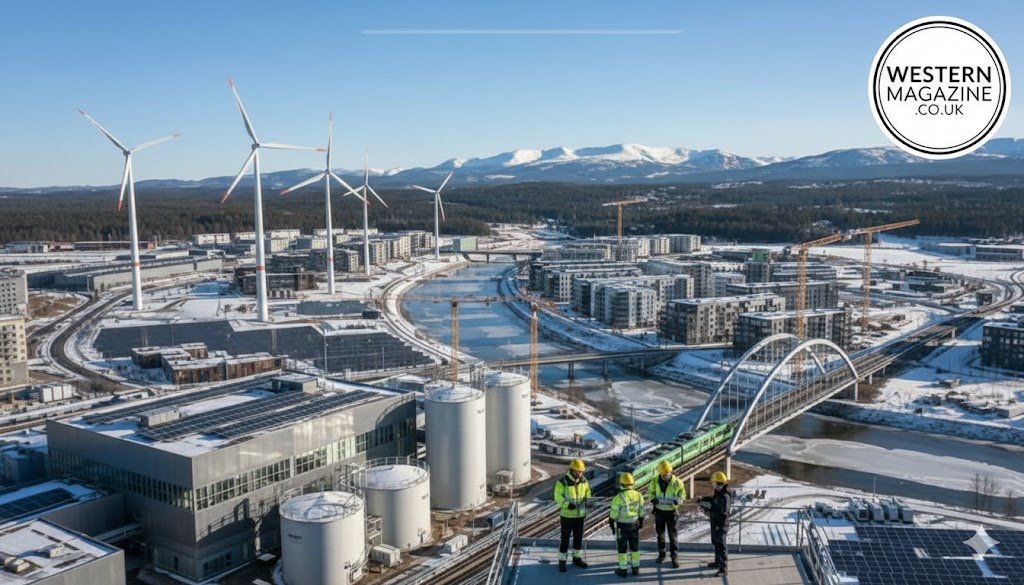
Bodenxt
Introduction: What is Bodenxt?
In the far north of Sweden, within the municipality of entity[“city”,”Boden”,”norrbotten county sweden”], a transformation is underway that has captured the attention of urban planners, sustainability experts, industrial strategists, and policymakers worldwide. That transformation is called Bodenxt.
Bodenxt is not a company, nor is it a single infrastructure project. It is a strategic development platform created to manage and accelerate one of the most ambitious green industrial transitions in Europe. Designed to compress decades of societal growth into just a few years, Bodenxt coordinates large-scale industrial investment, housing expansion, infrastructure development, workforce planning, and sustainability initiatives into one cohesive vision.
At its core, Bodenxt represents a new way of thinking about regional development: instead of reacting to industrial growth, the municipality proactively plans for social, environmental, and economic transformation simultaneously.
This article explores Bodenxt in depth—its purpose, structure, industrial drivers, sustainability strategy, infrastructure expansion, economic ecosystem, social impact, and global relevance.
The Origins of Bodenxt
A Region at a Turning Point
For decades, northern Sweden was known for forestry, mining, hydropower, and military presence. Like many northern European regions, population growth was modest, and some rural areas even experienced decline.
Then came a wave of green industrial investment driven by:
- Abundant renewable electricity
- Access to land
- Cold climate efficiency
- Strategic rail connections to European markets
- Political stability and sustainability leadership
The announcement of large fossil-free industrial projects—particularly green steel manufacturing—placed Boden at the center of Europe’s climate transition.
The municipality quickly realized that industrial growth on this scale would not only affect the economy—it would reshape the entire community.
Thus, Bodenxt was created as a governance and coordination platform to manage this transformation responsibly and strategically.
The Vision Behind Bodenxt
Bodenxt is guided by a simple but ambitious idea:
Growth should strengthen society, not strain it.
Instead of allowing housing shortages, infrastructure bottlenecks, labor gaps, and social inequalities to emerge after industrial expansion begins, Bodenxt integrates planning across all sectors from day one.
The Core Pillars of Bodenxt
Bodenxt is built on five interconnected pillars:
- Green Industrial Development
- Workforce and Skills Supply
- Housing and Urban Expansion
- Infrastructure and Logistics
- Environmental and Social Sustainability
Each pillar interacts with the others. For example:
- Industrial growth drives job creation.
- Job creation drives population growth.
- Population growth demands housing and services.
- Housing expansion requires infrastructure and sustainability planning.
Rather than addressing these separately, Bodenxt coordinates them in parallel.
Industrial Transformation: The Engine of Growth
Green Steel and Hydrogen Innovation
The most powerful catalyst behind Bodenxt is the establishment of fossil-free steel production through entity[“organization”,”Stegra”,”swedish green steel company”], formerly known as H2 Green Steel.
Traditional steel manufacturing is one of the largest global sources of carbon emissions. Stegra aims to change that by using renewable hydrogen instead of coal in the steelmaking process.
Key Impacts of Green Steel Production
- Drastic reduction in carbon emissions (up to 90–95%)
- Positioning Sweden as a leader in climate-neutral heavy industry
- Thousands of direct and indirect jobs
- Long-term export opportunities to Europe and beyond
The industrial site, known as entity[“point_of_interest”,”Boden Industrial Park”,”industrial zone in boden sweden”], covers hundreds of hectares and is designed for future expansion beyond steel, potentially including battery technology, hydrogen storage, and circular industrial systems.
This is not just a factory—it is the foundation of a new industrial ecosystem.
Workforce Development and Skills Strategy
Rapid industrialization requires skilled labor. One of the central challenges Bodenxt addresses is ensuring that the workforce grows alongside the industry.
Attracting Talent
Bodenxt focuses on:
- International recruitment
- Local training programs
- Partnerships with universities and technical institutes
- Upskilling residents for green industry roles
Northern Sweden has historically faced labor shortages. By coordinating educational institutions, employers, and government agencies, Bodenxt creates a streamlined path from education to employment.
Inclusive Labor Market
Bodenxt also promotes:
- Gender equality in industrial sectors
- Integration of international workers
- Support for family relocation
- Community language and inclusion programs
The goal is not just labor supply—but long-term community integration.
Housing and Urban Development
One of the most visible aspects of Bodenxt is housing expansion.
Why Housing Matters
When thousands of new jobs are created, population increases rapidly. Without proper planning, this can lead to:
- Rising rent prices
- Overcrowding
- Social tension
- Temporary housing shortages
Bodenxt anticipates this by planning:
- Mixed housing types (apartments, single-family homes, student housing)
- Affordable housing strategies
- Sustainable building standards
- Community-oriented neighborhoods
Sustainable Urban Design
Urban expansion under Bodenxt emphasizes:
- Walkable districts
- Public transportation access
- Green spaces and parks
- Energy-efficient construction
- Smart energy grids
The idea is to create neighborhoods that are not only functional—but livable, attractive, and climate-conscious.
Infrastructure: Building for the Next 100 Years
Industrial growth requires robust infrastructure. Bodenxt integrates long-term infrastructure planning into every stage of development.
Rail and Logistics
A key milestone was the connection of Boden Industrial Park to Sweden’s national railway system.
This ensures:
- Efficient export routes
- Reduced truck dependency
- Lower emissions in transport
- Enhanced regional connectivity
Northern Sweden already plays a major role in European raw materials supply. With green steel production added, logistics infrastructure becomes even more critical.
Energy and Water Systems
Boden’s transformation relies heavily on renewable electricity, primarily from hydropower and wind power.
Infrastructure investments include:
- Grid expansion
- High-capacity power connections
- Hydrogen storage facilities
- Long-lifespan water pipelines
- Modern sewage systems
Unlike reactive infrastructure upgrades, Bodenxt plans with a century-long perspective.
Bodenxt Environmental Sustainability at the Core
Bodenxt is not simply about economic growth—it is about climate responsibility.
Climate-Neutral Industry
The green steel plant dramatically reduces industrial carbon emissions. This aligns with Sweden’s national climate goals and the European Union’s Green Deal strategy.
Circular Economy Thinking
Bodenxt supports:
- Industrial symbiosis (waste heat reuse)
- Recycling systems
- Efficient land use
- Local food production where possible
- Sustainable forestry integration
Nature and Biodiversity Protection
Despite industrial expansion, environmental assessments and land planning ensure that ecosystems are preserved and protected.
Bodenxt Economic Ecosystem and Business Opportunities
Although green steel is the anchor, Bodenxt encourages economic diversification.
Local Business Growth
Local companies benefit from:
- Supply chain contracts
- Service expansion
- Construction demand
- Technology innovation
Small and medium enterprises are integrated into the transformation rather than sidelined.
Defense and Strategic Industry
Boden also has a long-standing military presence, including facilities connected to the entity[“organization”,”Swedish Armed Forces”,”sweden military organization”].
This creates additional economic opportunities in logistics, training, and infrastructure, further strengthening regional resilience.
Social Impact and Community Life Bodenxt
Rapid transformation can create social stress if not carefully managed. Bodenxt integrates social planning into every stage.
Community Dialogue
Public engagement initiatives allow residents to:
- Provide feedback
- Participate in planning
- Voice concerns
- Influence neighborhood design
Quality of Life Focus
Efforts include:
- Expanding schools and childcare
- Enhancing healthcare capacity
- Cultural development programs
- Recreational facilities
The objective is not only to attract workers—but to build a thriving community where families choose to stay long-term.
Challenges Facing Bodenxt
No transformation of this magnitude is without obstacles.
Housing Supply Pressure
Construction must keep pace with demand. Delays can create bottlenecks.
Skilled Labor Competition
Green industry is expanding across Europe. Competition for engineers and specialists is intense.
Infrastructure Scaling Complexity
Coordinating utilities, transportation, and urban development simultaneously requires advanced governance.
However, Bodenxt’s integrated structure is specifically designed to anticipate and manage these risks.
Global Significance of Bodenxt
Bodenxt has become a case study in:
- Climate-focused industrialization
- Integrated municipal planning
- Sustainable urban expansion
- Regional economic revitalization
As countries worldwide seek to transition to renewable energy and decarbonized industry, Bodenxt offers a working example of how local governments can lead systemic change.
Rather than separating economic growth from sustainability, Bodenxt fuses them into a single strategic mission.
Why Bodenxt Matters in 2026 and Beyond
Global industry is entering a period of massive transformation driven by:
- Climate policy
- Supply chain resilience
- Renewable energy innovation
- Electrification
- Hydrogen economy expansion
Regions that plan proactively will thrive. Regions that react slowly may struggle.
Bodenxt demonstrates how a municipality can:
- Align with global climate trends
- Attract strategic investment
- Protect community well-being
- Build resilient infrastructure
- Lead sustainable transformation
Conclusion
Bodenxt is more than an urban development initiative. It is a bold experiment in coordinated societal transformation.
By integrating green industry, workforce planning, housing expansion, infrastructure modernization, and environmental stewardship, Bodenxt positions Boden as a model for sustainable growth in the 21st century.
Its long-term impact may extend far beyond northern Sweden—shaping how communities worldwide approach industrial transition in a climate-conscious era.
As the world searches for scalable models of green economic development, Bodenxt stands as one of the most compelling real-world examples of how to do it right.
About the Author