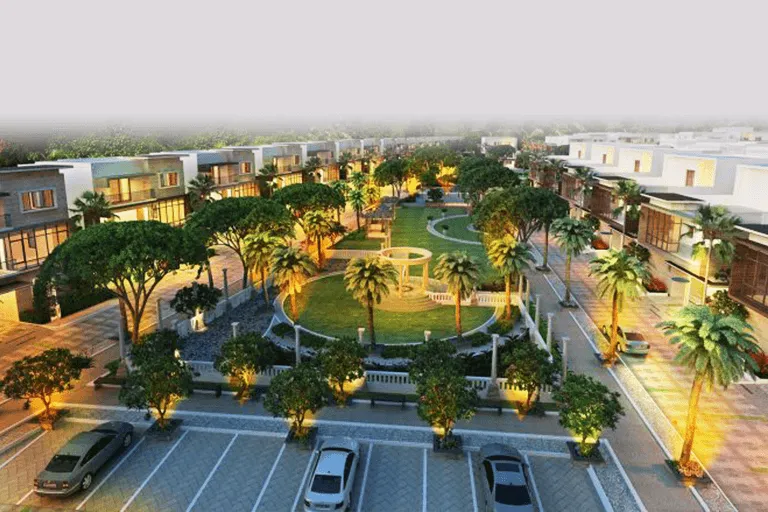
Expect in a New Home Community
How community design shapes daily routines
When buyers explore a new home community, the conversation often begins with the home itself: the layout, the finishes, and the overall style. Soon after, another set of questions emerges. What will daily life feel like? Will it be quiet? Will it be social? Will it be convenient? Those answers are influenced by the way the community is planned, including entrances, shared amenities, and how residents move through the neighborhood.
Communities that balance privacy and connection attract many homebuyers in Venice. They want a place that feels welcoming, not isolated, and the comfort of a neighborhood intentionally designed rather than pieced together over time. A gated setting can contribute to that experience, but the true value comes from how the entire community functions day to day.
What “gated” can mean beyond the front entrance
A gate is often associated with security, but gated living is also about structure. A controlled entrance can reduce cut-through traffic, which helps a neighborhood feel calmer. It can also contribute to a sense of arrival, making the community feel distinct from its surroundings.
For many residents, the benefit is not about restrictions. It is about predictability. Streets tend to be quieter. Visitors are easier to track. The neighborhood feels more cohesive because access is purposeful. That environment can be appealing to full-time residents and seasonal homeowners alike, especially for those who value a more peaceful setting.
The role of amenities in a cohesive neighborhood
A community becomes more than a collection of homes when it offers spaces that encourage residents to gather. Clubhouses, pools, fitness facilities, and shared social areas can support wellness and create opportunities for connection without requiring long drives. The presence of amenities also shapes the neighborhood’s rhythm. People have natural reasons to be out and about, whether for exercise, social events, or casual relaxation.
Amenities also support lifestyle flexibility. A fitness center may make it easier to maintain a consistent routine. A pool area can serve as a quiet retreat on weekdays and a social setting on weekends. In many communities, the shared spaces become the easiest way for new residents to meet neighbors and build a local network.
Privacy and connection can coexist
One misconception about gated neighborhoods is that they are either overly private or overly social. In practice, the best communities offer both. Residents can enjoy quiet evenings at home, but they can also participate in events, join interest groups, or simply run into familiar faces during a morning walk.
This balance is especially valuable for those relocating or purchasing a second home. A well-planned neighborhood makes it easier to feel at home quickly while still allowing personal space. The design supports an optional connection rather than forced interaction.
Practical questions to ask during a community tour
When touring a community, it helps to look beyond appearance and ask practical questions that reveal how it operates. Ask about traffic patterns and how guests access the neighborhood. Observe how the amenities are maintained and whether the shared areas feel active and inviting. Consider whether there are spaces for both socializing and quiet relaxation.
It is also wise to ask about homeowner expectations. In a well-run neighborhood, guidelines are typically clear and consistent. That clarity can help protect the community’s long-term appeal and ensure shared spaces remain enjoyable.
Frequently asked questions about a new home community
What are the biggest advantages of living in a new home community?
Many buyers appreciate modern home designs, efficient layouts, and a neighborhood plan that includes amenities and shared spaces. The overall experience often feels more organized and lifestyle-focused than older, unplanned areas.
Does a gated community always feel restrictive?
Not necessarily. Many residents find gated living more calm because it reduces unnecessary traffic. The key is understanding community guidelines and whether they align with your preferences.
Are amenities worth prioritizing when choosing a neighborhood?
Amenities can add value when they support how you want to live. A pool, fitness center, and clubhouse can reduce travel time for recreation and create easy opportunities for social connection.
How do I know if the community will stay well-maintained?
Observe the condition of the common areas during your tour and inquire about how maintenance is managed. Consistent cleanliness and upkeep can be a strong indicator of long-term standards.
Will I be able to meet neighbors easily?
Communities with shared amenities and social spaces often make it easier to meet people naturally. Many residents build friendships through casual interactions, organized events, and routine activities.
A lifestyle fit for Venice homeowners
The appeal of a well-designed neighborhood is not only the homes. It is the experience of living there. A thoughtfully planned new home community can offer a calmer environment, convenient amenities, and a sense of belonging that grows over time. For many buyers in Venice, that combination is what turns a new address into a true home. To explore community living in Venice, learn more about Vistera of Venice’s
About the Author