General Contractor
Many homeowners reach a point where a large garden tub no longer fits their lifestyle. The tub may be difficult to clean, rarely used, or simply taking up valuable floor space that could be used more effectively. Replacing a garden tub with a walk-in shower is one of the most requested bathroom remodel upgrades, and it can deliver both practical and aesthetic benefits when planned correctly. However, it is not a simple swap. An experienced general contractor should coordinate this type of renovation, which involves plumbing considerations, waterproofing, ventilation, and finish selections.
Many Tampa Bay homes were designed with bathroom layouts centered on oversized tubs, once considered a symbol of luxury. Today, homeowners often prioritize convenience, accessibility, and a modern look. A walk-in shower can provide a cleaner design, improved functionality, and a safer daily routine, especially when the project is executed with attention to long-term performance.
Why Homeowners Choose a Walk-In Shower
The most common reason for replacing a garden tub is usability. Many tubs become storage space rather than a feature. A walk-in shower supports daily routines more efficiently, particularly for busy households and anyone who prefers a quick shower over a long soak.
Accessibility is another major factor. A low-threshold entry, a wider opening, and thoughtful grab bar placement can make the bathroom safer for older adults and anyone planning to remain in their home long term. Even homeowners who do not need accessibility features today often choose design elements that make future use easier.
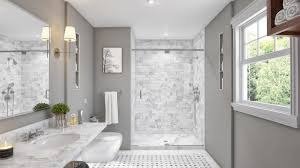
Aesthetic upgrades also drive this change. Walk-in showers can open up the room visually and create a more contemporary feel. When paired with updated tile, glass, lighting, and storage niches, the bathroom often looks larger and more polished.
Key Construction Factors That Affect Cost and Timeline
Replacing a garden tub with a walk-in shower typically involves more than removing the tub and installing new tile. The plumbing location matters. If the drain line and water supply can remain in place, the project may be more straightforward. If the layout requires moving the drain, changing the plumbing wall, or reworking the slope to support proper drainage, labor and complexity increase.
The shower base approach also affects the scope. A pre-manufactured shower pan can shorten the timeline and reduce some risk, while a custom tiled shower base offers more design flexibility but requires flawless waterproofing and skilled installation.
Waterproofing is one of the most critical details. A shower that looks beautiful on day one can still fail if the waterproofing system is not installed properly. This is why the contractor’s process and quality control matter more than trendy finishes.
Ventilation and moisture control also deserve attention. A high-use walk-in shower produces significant humidity, and improving ventilation may be necessary to protect drywall, paint, and cabinetry from moisture damage.
Design Decisions That Improve Daily Use
A walk-in shower should be planned for both comfort and function. Homeowners frequently request built-in niches for shampoo and soap, a bench for convenience, and a handheld showerhead for flexibility. The placement of these features should support natural movement and avoid awkward reaching.
Glass selection plays a major role in the final look. Frameless glass can make the space feel open and modern, while semi-framed options may offer cost savings and durability. Privacy considerations may influence glass style or the use of a partial wall.
Tile choice should balance style with practicality. Flooring should provide reliable traction, and grout selection should be appropriate for moisture exposure and maintenance preferences. A general contractor can guide homeowners toward materials that perform well in real life, not just in a showroom.
Frequently Asked Questions About Removing a Garden Tub
Will removing the tub hurt resale value?
In many markets, the best answer depends on the home. Some buyers might favor a tub for small children if it’s the only bathtub in the house. If another tub is available, replacing a garden tub with a walk-in shower is often considered a strong upgrade. The quality of the bathroom remodel and the overall bathroom design typically have more influence than the presence of a second tub.
How long does this project take?
A typical conversion may take one to three weeks, depending on plumbing changes, waterproofing method, tile work, and inspection needs. Material availability can also affect scheduling.
Can I keep the same footprint, or should I resize the space?
Both options are possible. Some homeowners keep the footprint and create a larger shower. Others reclaim space for linen storage, a larger vanity, or better circulation. A general contractor can help evaluate what will add the most value and provide the most comfort.
Is a curbless shower realistic?
Curbless showers can be excellent for accessibility and a clean look, but they require precise floor preparation and proper drainage planning. Some homes require additional work, but many can be adapted.
What hidden issues might be discovered?
Once the tub is removed, it is common to find water damage, outdated plumbing, or subfloor repairs that were not visible before demolition. A good contractor plans for this possibility and discusses contingency budgeting upfront.
A Practical Upgrade That Improves Everyday Living
Replacing a garden tub with a walk-in shower can be one of the most satisfying improvements in a bathroom remodel because it changes how the space functions every day. The best results come from careful planning, correct waterproofing, and a design that supports safety and comfort. When coordinated by an experienced general contractor, the project can modernize the bathroom, simplify maintenance, and create a space that feels both more usable and more refined.
For homeowners in Tampa Bay considering this upgrade, full-service remodeling support is available through Hybrid Construction’s with professional oversight for bathroom remodels, kitchen remodel planning, and commercial construction as needed.
About the Author