homeowners
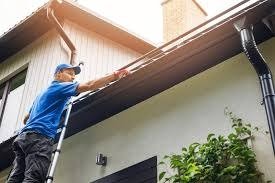
As seasonal weather patterns shift, many homeowners begin preparing their properties for heavier rainfall and changing conditions. Property owners throughout Tampa Bay often schedule exterior inspections during this time to identify early warning signs that may require gutter repair before spring storms arrive. A proactive inspection can prevent water intrusion, structural damage, and costly maintenance later in the season.
Check for Visible Sagging or Misalignment
One of the first things to examine is whether the gutters appear level and securely attached to the roofline. Gutters should maintain a slight, consistent slope that allows water to flow toward downspouts efficiently. If sections appear sagging, pulling away from the fascia, or uneven, these characteristics may indicate loose fasteners, hidden structural deterioration, or accumulated debris weight.
Sagging gutters can cause standing water to collect, increasing the risk of corrosion, and may eventually lead to overflow that damages siding, landscaping, or the building foundation.
Look for Cracks, Rust, or Joint Separation
Even small cracks or separations can become serious problems once heavy rainfall begins. Inspect seams, corners, and joints carefully, as these areas are most vulnerable to leakage. Rust spots, peeling finish, or visible holes suggest that moisture exposure has already begun affecting the material.
Early detection of minor issues often allows for their resolution before they escalate into larger structural failures. Ignoring small separations may allow water to drip behind the gutter system, leading to hidden wood rot or mold growth.
Inspect Downspouts for Proper Drainage
Downspouts play an equally important role in protecting the property by directing water safely away from the structure. Ensure that downspouts remain firmly secured and free of obstructions. Leaves, roof granules, or compacted debris can block water flow and cause backup into the gutter channel.
Confirm that discharge points extend far enough from the foundation to prevent pooling near the base of the home. Improper drainage near the structure can gradually weaken soil stability and increase the risk of foundation movement.
Watch for Signs of Overflow or Water Staining
Exterior staining often reveals drainage problems even when gutters appear intact. Look for streaks along the siding, discoloration of the fascia, or erosion patterns in landscaping below the roofline. These signs may indicate that water has previously overflowed during storms or that sections of the system are not channeling it effectively.
Interior warning signs can also appear, such as ceiling stains near exterior walls or moisture accumulation in the attic. Before the rainy season intensifies, early investigation helps determine whether drainage adjustments or component repairs are necessary.
Remove Seasonal Debris and Check for Hidden Blockages
Spring inspections should always include removing accumulated leaves, twigs, and roof debris from the previous months. Even partial blockage can slow drainage and increase water pressure within the system.
After clearing debris, running a controlled stream of water through the gutters can help confirm that the flow remains consistent and unobstructed. Observing how quickly water exits the downspouts provides a practical test of overall system performance.
Routine cleaning combined with inspection significantly reduces the likelihood of emergency drainage failures during heavy storms.
Evaluate Overall System Age and Performance
Older gutter systems may function adequately during light rain but struggle during sustained seasonal storms. If the system requires frequent patching, repeated fastening, or constant cleaning to maintain performance, it may be time to consider a professional evaluation.
A comprehensive assessment can determine whether targeted repairs, sectional replacement, or system upgrades would provide better long-term protection. Addressing aging components before peak rainfall reduces the risk of unexpected damage when weather conditions become more severe.
Frequently Asked Questions
How often should gutters be inspected each year?
Most properties benefit from inspection at least twice annually, typically before spring rainfall and again after autumn leaf fall.
Can small gutter cracks be safely ignored if they are not leaking yet?
Even small cracks can expand rapidly when repeatedly exposed to water, so early repair is usually recommended.
Is cleaning enough to prevent overflow problems?
Cleaning helps, but structural alignment, joint integrity, and downspout placement must also function correctly.
Should homeowners inspect gutters themselves or hire professionals?
Basic visual inspection is possible for many homeowners, but a professional assessment may identify hidden structural or drainage issues.
Preparing Your Property for the Upcoming Rainy Season
Homeowners across Tampa Bay can often prevent costly damage and the need for emergency gutter repair later in the season by evaluating their drainage systems early in the year. By checking alignment, clearing debris, inspecting joints, and confirming proper drainage, property owners strengthen their home’s defense against seasonal rainfall and protect long-term structural integrity.
For professional inspection, maintenance planning, and expert exterior drainage solutions tailored to your property, visit MD Seamless Gutters’s to schedule a consultation before the spring rains arrive.
About the Author