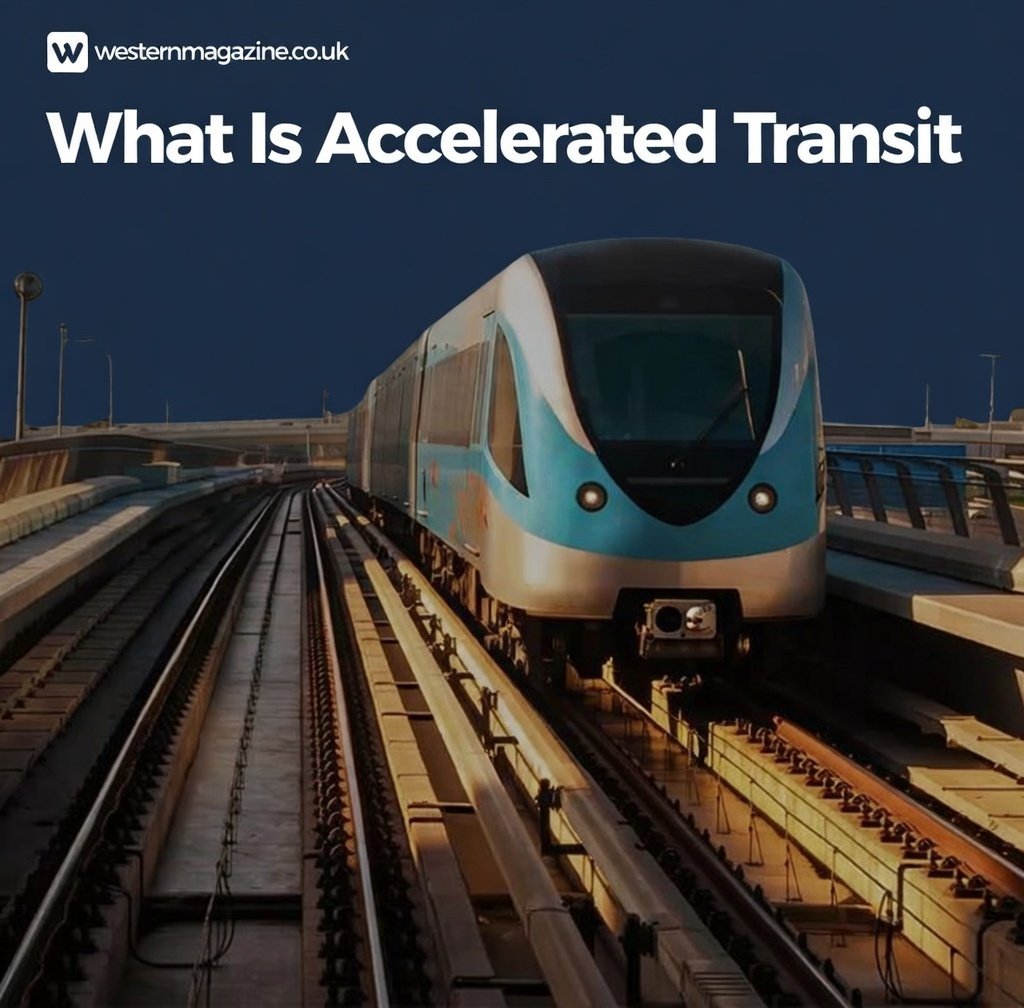
What Is Accelerated Transit
What Is Accelerated Transit?
Accelerated transit is a term used to describe transportation processes or systems designed to move people or goods faster than standard transit methods. The phrase does not refer to one single transportation technology. Instead, it represents a concept centered on speed, prioritization, and efficiency. Depending on the context, accelerated transit may apply to shipping and logistics, urban transportation planning, public transit infrastructure, or even policy-driven transportation reform.
At its core, accelerated transit means reducing delays and shortening travel time through improved routing, prioritization, infrastructure upgrades, or operational efficiency. In consumer shipping, it may indicate that a package is moving faster than usual. In public transportation, it may describe strategies aimed at speeding up mobility systems for commuters.
Understanding accelerated transit requires looking at how the concept functions across industries and how it influences both goods movement and passenger transportation systems.
Accelerated Transit in Shipping and Logistics
One of the most common places consumers encounter the term accelerated transit is in package tracking updates. When a shipping status reads “in accelerated transit,” it generally means that the package is progressing through the carrier’s network faster than the standard delivery timeline.
This does not necessarily mean overnight shipping or guaranteed express service. Instead, it typically indicates that the shipment has been prioritized within the logistics network. Carriers may adjust routing, allocate additional transport capacity, or move the parcel via faster transportation modes such as air freight rather than ground shipping.
In logistics, transit speed depends on several factors including distance, transportation mode, distribution center efficiency, customs clearance (for international shipments), and last-mile delivery coordination. Accelerated transit may reduce delays at sorting hubs or allow a shipment to bypass slower routing channels.
For e-commerce companies, accelerated transit improves customer satisfaction. Faster delivery times increase consumer trust and reduce order cancellations. Retailers may use network optimization systems that automatically prioritize certain shipments based on demand, location, or operational efficiency.
Although accelerated transit in logistics suggests improved speed, it does not always guarantee a fixed delivery date. It signals progress and prioritization rather than a contractual delivery commitment.
Accelerated Transit in Public Transportation
In public transportation planning, accelerated transit refers to efforts to improve the speed and efficiency of mass transportation systems. This can involve infrastructure upgrades, operational changes, policy reforms, or new transit models designed to reduce travel times and increase reliability.
Urban areas facing congestion, population growth, and environmental challenges often adopt accelerated transit strategies. These strategies may include:
- Dedicated transit lanes
- Signal priority at intersections
- Reduced stop frequency
- Limited-stop express services
- Infrastructure modernization
The goal is to shorten commute times while maintaining safety and accessibility. Accelerated transit in this context is about making cities more connected and reducing dependency on private vehicles.
Cities implementing accelerated transit initiatives aim to boost economic productivity, improve air quality, and enhance overall quality of life. Faster transit allows workers to commute more efficiently, reduces traffic congestion, and supports sustainable urban development.
Relationship to Rapid Transit Systems
Accelerated transit is often discussed alongside rapid transit systems. Rapid transit refers specifically to high-capacity urban transportation systems such as subways, metros, and elevated railways that operate on dedicated tracks separated from road traffic.
While rapid transit is a defined infrastructure category, accelerated transit is a broader concept. A city may accelerate its transit network by expanding rapid transit lines, upgrading rail infrastructure, or increasing service frequency. Rapid transit systems naturally support accelerated mobility because they avoid road congestion and operate on exclusive rights-of-way.
However, accelerated transit strategies are not limited to rail systems. They may also include improvements to bus networks, ferry services, or multimodal transport integration.
Bus Rapid Transit as an Accelerated Model
Bus Rapid Transit, commonly known as BRT, is often considered a practical example of accelerated transit in action. BRT systems are designed to provide high-speed bus services that mimic some features of rail systems but at lower cost and faster implementation timelines.
Features of BRT typically include dedicated lanes, off-board fare collection, level boarding platforms, and signal priority at intersections. These elements allow buses to operate with minimal delays and greater schedule reliability.
BRT systems are frequently used in cities that need faster transit solutions without the long construction periods required for subway or rail expansion. By using existing road corridors and strategic infrastructure modifications, cities can accelerate transit performance without waiting years for full rail development.
In this sense, BRT represents a tangible example of accelerated transit strategy applied to urban mobility.
Infrastructure and Policy Acceleration
Accelerated transit is not limited to physical movement speed. It can also refer to accelerated infrastructure deployment. Governments sometimes use the term to describe fast-tracked transit development projects intended to address urgent mobility needs.
For example, a government may prioritize funding, streamline approvals, and reduce bureaucratic delays to accelerate the implementation of a new transit corridor. In this context, accelerated transit describes the speed of project rollout rather than the speed of trains or buses themselves.
Policy measures such as transit-oriented development, zoning reforms, and public-private partnerships can also contribute to accelerated transit’s outcomes. When infrastructure and policy align, transportation systems improve more rapidly and efficiently.
Technological Advancements Supporting Accelerated Transit
Modern technology plays a significant role in enabling accelerated transit’s Digital tracking systems, predictive analytics, artificial intelligence, and real-time data management help optimize routing and reduce inefficiencies.
In logistics, advanced algorithms calculate optimal routes and dynamically adjust shipping pathways based on traffic, weather, and demand. This results in faster package movement and fewer bottlenecks.
In public transportation, real-time tracking allows agencies to monitor vehicle locations, adjust schedules, and improve passenger communication. Smart traffic signals can prioritize buses at intersections, further reducing delays.
Autonomous vehicle research, electrification, and smart city integration are also contributing to accelerated transit’s systems. These innovations aim to make transportation networks more responsive, efficient, and sustainable.
Environmental and Economic Impact
Accelerated transit’s has important environmental and economic implications. Faster and more reliable transportation reduces wasted fuel consumption caused by congestion and idle time. In public transit contexts, efficient systems encourage more people to use buses or trains instead of private cars, lowering overall carbon emissions.
From an economic perspective, accelerated transit’s improves productivity. Workers spend less time commuting, goods reach markets faster, and businesses operate with improved logistical reliability. Efficient transit networks attract investment and support urban growth.
However, implementing accelerated transit strategies requires careful planning to ensure equitable access and long-term sustainability.
Challenges and Limitations
Despite its benefits, accelerated transit’s presents challenges. Infrastructure upgrades require funding, political support, and public cooperation. Construction projects may temporarily disrupt traffic and local communities.
In logistics, accelerating shipments can increase operational costs. Carriers must balance speed with cost efficiency and sustainability. Rapid transportation modes such as air freight generate higher emissions compared to slower ground shipping.
Additionally, accelerated transit’s strategies must ensure safety standards are maintained. Speed should never compromise operational safety or passenger well-being.
Balancing efficiency, cost, environmental impact, and safety remains a central challenge in transportation planning.
Misconceptions About Accelerated Transit
Many people assume accelerated transit’s always means express or guaranteed fast delivery. In shipping contexts, this is not necessarily true. The term indicates prioritization rather than a guaranteed timeframe.
In urban mobility discussions, accelerated transit’s does not always mean high-speed rail or futuristic technology. It may involve practical improvements such as optimized bus routes or enhanced scheduling.
Another misconception is that accelerated transit is a standalone system. In reality, it is a strategy or performance goal applied to existing transportation networks.
The Future of Accelerated Transit
The future of accelerated transit’s will likely involve deeper integration between physical infrastructure and digital systems. Smart mobility platforms may coordinate buses, trains, ride-sharing services, and micro-mobility options in a unified ecosystem.
Artificial intelligence may enable predictive congestion management, while real-time demand analysis could dynamically adjust service frequency. Electrification and renewable energy integration will further support sustainable acceleration.
Urban planners increasingly view accelerated transit’s as essential for growing cities. As populations rise and climate concerns intensify, faster and more efficient transportation systems become critical.
The concept may also evolve in logistics through drone delivery, autonomous freight vehicles, and hyper-efficient distribution centers. Each of these technologies seeks to reduce delivery time while maintaining reliability.
Why Accelerated Transit Matters
Accelerated transit’s matters because time is a valuable resource. Whether moving goods or transporting passengers, reducing transit time enhances economic activity and quality of life.
Efficient transportation networks connect communities, enable commerce, and support social mobility. In a globalized economy, speed influences competitiveness. Cities and businesses that invest in accelerated transit strategies often gain long-term advantages.
Understanding the meaning of accelerated transit allows individuals to interpret shipping updates, evaluate transportation policies, and appreciate the broader effort to improve mobility systems.
Conclusion
Accelerated transit’s is a versatile term that refers to faster and more efficient movement of people or goods. In logistics, it signals prioritized shipment progression. In public transportation, it represents strategies designed to reduce travel time and improve service delivery.
Rather than describing a single technology, accelerated transit’s reflects a goal: improving transportation performance through prioritization, infrastructure upgrades, technological innovation, and strategic planning.
As transportation systems continue to evolve, accelerated transit’s will remain a key concept in shaping efficient, sustainable, and connected mobility networks worldwide.
About the Author