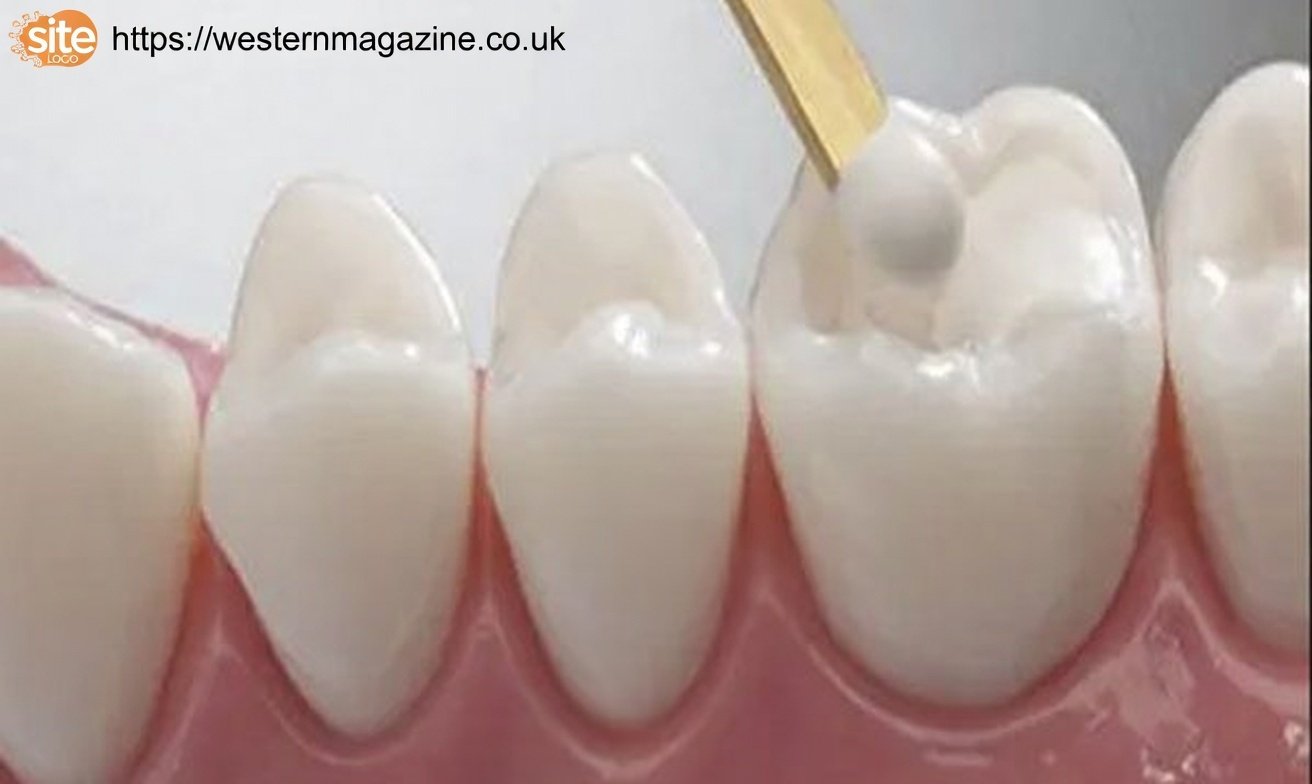
White Fillings
Introduction
Dental health is an essential component of overall wellbeing, and maintaining strong, healthy teeth requires regular care, preventive measures, and timely dental treatment. One of the most common dental issues many people face is tooth decay. Traditionally, dentists repaired cavities using metal amalgam fillings, which were durable but highly visible. Today, white fillings, also known as composite resin fillings, have become a popular alternative due to their natural appearance and ability to blend seamlessly with the tooth’s color.
White fillings not only restore the functionality of a tooth but also improve its aesthetics, making them particularly desirable for visible areas such as the front teeth. They are now considered the standard in cosmetic dentistry and are widely recommended by dental professionals worldwide. This article provides a detailed exploration of white fillings, including how they work, benefits, procedure, longevity, care, risks, and comparisons to other materials.
What Are White Fillings?
White fillings are made from a material called composite resin, which is a mixture of plastic and fine glass or ceramic particles. This material is designed to mimic the natural color and translucency of tooth enamel, allowing the filling to blend in seamlessly with the surrounding teeth. Unlike metal fillings, which are highly visible and sometimes require more tooth structure to be removed for placement, composite fillings bond directly to the tooth structure.
This bonding not only provides a more aesthetically pleasing result but also strengthens the remaining tooth, offering protection against cracks and fractures. The versatility of composite resin allows it to be used for small to moderate cavities, chipped teeth, gaps between teeth, and even minor cosmetic enhancements.
History of White Fillings
Composite resin fillings were first developed in the 1960s and were initially used primarily on front teeth due to their limited strength. Over the decades, advancements in dental material technology have made these fillings suitable for molars and areas subjected to significant chewing forces. Modern composites are highly durable, resistant to wear, and capable of withstanding the pressures of daily use.
The development of bonding agents and light-curing technologies further enhanced the strength and longevity of white fillings. Today, dentists can create restorations that are not only functional and durable but also virtually invisible, meeting both cosmetic and practical needs.
How White Fillings Are Placed
The process of placing a white filling is detailed and requires precision. It begins with the removal of decay using dental instruments, ensuring that only healthy tooth structure remains. Once the tooth is cleaned and prepared, a bonding agent is applied to the cavity to create a secure attachment for the composite material.
The composite resin is applied in layers, with each layer cured using a special blue light that hardens the material. This layering technique ensures strength and minimizes shrinkage. Once the final layer is applied, the dentist sculpts the filling to match the natural contours of the tooth. Finally, the filling is polished to create a smooth surface that blends seamlessly with the surrounding teeth.
The entire process is usually completed in a single dental visit, though larger restorations may take longer. The precision of the procedure ensures durability, proper bite alignment, and aesthetic appeal.
Advantages of White Fillings
White fillings offer several significant benefits over traditional metal fillings:
Aesthetic Appeal: One of the primary advantages is their natural appearance. They can be matched to the exact shade of the patient’s teeth, making them nearly invisible, even when placed on front teeth.
Conservation of Tooth Structure: Composite fillings require less removal of healthy tooth material compared to amalgam fillings. The bonding process allows dentists to preserve more of the natural tooth.
Strength and Support: The bonding process creates a reinforced structure, which strengthens the remaining tooth and helps prevent fractures.
Versatility: Composite resin can be used for cosmetic purposes, such as reshaping teeth, closing gaps, or repairing chips, in addition to treating cavities.
Metal-Free and Biocompatible: White fillings are free from metals like mercury, which is a component of amalgam fillings. This makes them suitable for patients with metal sensitivities or allergies.
Quick Hardening: The curing light rapidly hardens the material, allowing patients to use the restored tooth almost immediately after the procedure.
Limitations and Considerations
While white fillings have numerous advantages, there are some limitations to consider:
Durability: Composite fillings are strong but generally less durable than amalgam or gold fillings in areas of high chewing stress. They may require replacement sooner, typically within 5 to 10 years.
Technique Sensitivity: The placement of composite fillings is highly technique-sensitive. Moisture, saliva, or improper curing can affect the bonding process and reduce longevity.
Staining: Over time, composite resin can stain from exposure to coffee, tea, red wine, or tobacco. Regular dental cleanings and good oral hygiene can help maintain their appearance.
Cost: White fillings are typically more expensive than metal fillings due to material costs and longer placement time. Insurance coverage may vary, especially for fillings on molars, which may be classified as cosmetic.
Sensitivity: Some patients may experience temporary tooth sensitivity to hot or cold after the procedure. This usually resolves within a few days.
 Comparing White Fillings with Other Materials
White Fillings vs. Amalgam: Amalgam fillings, made from a mixture of metals including silver and mercury, are extremely durable and cost-effective but are highly visible and require more tooth removal. White fillings offer a cosmetic advantage and preserve more natural tooth structure, though they may not last as long under heavy chewing forces.
White Fillings vs. Ceramic or Porcelain Fillings: Ceramic and porcelain inlays or onlays are more durable and resistant to staining but are more expensive and often require multiple visits. Composite fillings offer a balance between appearance, strength, and cost, making them ideal for most small to medium cavities.
White Fillings vs. Glass Ionomer Fillings: Glass ionomer fillings release fluoride, which can help prevent further decay. However, they are generally weaker and less aesthetic than composite resin, making them suitable primarily for non-visible teeth or pediatric dentistry.
White Fillings Procedure Step by Step
- Assessment: The dentist examines the tooth and takes X-rays if needed to determine the extent of decay.
- Anesthesia: Local anesthesia is applied to numb the area and ensure patient comfort.
- Decay Removal: The dentist removes the decayed portion of the tooth, preparing the cavity for the filling.
- Etching and Bonding: The tooth surface is etched to create microscopic grooves for bonding, followed by application of a bonding agent.
- Layered Composite Application: Composite resin is applied in layers, with each layer cured using a dental light.
- Shaping and Polishing: The final layer is sculpted to match the tooth’s natural contours and polished for a smooth finish.
This meticulous process ensures durability, aesthetic blending, and a proper bite alignment.
White Fillings’s Longevity and Maintenance
With proper care, white fillings typically last 5 to 10 years, though their lifespan can be influenced by factors such as bite pressure, oral hygiene, and dietary habits. Regular brushing, flossing, and dental checkups help maintain both the health of the tooth and the integrity of the filling. Avoiding extremely hard foods and habits such as nail-biting or chewing ice can extend the life of composite restorations.
White Fillings’s Aftercare and Follow-Up
After receiving a white filling, patients should:
- Avoid eating until the anesthesia wears off to prevent biting the cheek or tongue.
- Monitor for temporary sensitivity to temperature changes.
- Maintain good oral hygiene with brushing twice a day and daily flossing.
- Schedule regular dental checkups to monitor the condition of the filling.
Most patients experience minimal post-procedure discomfort, and white fillings allow normal chewing within hours of placement.
White Fillings Cost and Insurance Coverage
The cost of white fillings varies depending on the dentist, geographic location, and the tooth being treated. On average, a white filling can range from $90 to $250 per tooth, sometimes higher for molars or larger restorations. Insurance plans may cover part of the cost, but coverage for back teeth may be limited if considered cosmetic.
Patients should consult their dentist and insurance provider to determine the expected out-of-pocket expenses. Despite higher initial costs, the aesthetic benefits and preservation of natural tooth structure often justify the investment.
White Fillings Frequently Asked Questions
Q1: Are white fillings safe?
Yes, white fillings are considered safe. Modern composites are biocompatible and have undergone extensive testing. Rare allergies may occur but are uncommon.
Q2: Do white fillings hurt?
The procedure is painless under local anesthesia. Some patients experience temporary sensitivity post-procedure.
Q3: How long do white fillings last?
Typically 5–10 years, depending on location, bite forces, and oral hygiene practices.
Q4: Can white fillings stain?
Yes, composites can stain from coffee, tea, wine, or smoking. Polishing or replacement can restore appearance.
Q5: Are white fillings more expensive than amalgam?
Yes, due to material cost and technique-sensitive placement, they generally cost more.
Conclusion
White fillings represent a significant advancement in modern dentistry, offering patients a restoration that is both functional and aesthetically pleasing. By mimicking the natural appearance of teeth, preserving healthy tooth structure, and providing durable results, they have become the preferred choice for many dental restorations.
While they have some limitations — including potential staining, cost, and technique sensitivity — their advantages often outweigh these drawbacks. With proper placement, care, and regular dental maintenance, white fillings can provide long-lasting solutions that enhance both dental health and cosmetic appearance.
Whether addressing cavities, repairing chips, or performing minor cosmetic improvements, white fillings offer a versatile, reliable, and visually appealing solution for patients seeking optimal dental outcomes.
About the Author