Storey
Single storey extensions represent the most accessible way homeowners add space to properties. Rather than building upward with structural complexity, you’re extending outward from existing buildings. Adding one level of living area solves genuine space problems without requiring major structural engineering. Understanding what residential single storey extension’s involve, what they accomplish, and how they work helps you determine whether this approach suits your property and needs. Single storey extension are popular because they work. They’re affordable. They’re often simpler to design and approve. They transform how families live without massive disruption.
What Single Storey Extensions Actually Are
Single storey extensions add one complete level of living space to existing properties. Typically extending back from rear walls or along side gardens, they create additional rooms without requiring second-level construction. The extension connects to the existing building. It shares foundations with the main structure. The roof connects to existing roof. Inside, the extension flows naturally from existing rooms.
Extensions typically range from 15 to 50 square meters. Smaller extensions add modest space. Larger extensions transform properties significantly. The size depends on available space, budget, and planning requirements.
Single storey extensions can serve multiple purposes. Kitchen extensions add cooking and dining space. Living room extensions provide entertaining areas. Bedroom additions create sleeping space. Home office extensions provide workspace. Garden rooms blend indoor and outdoor living. The same structural approach serves different functional purposes.
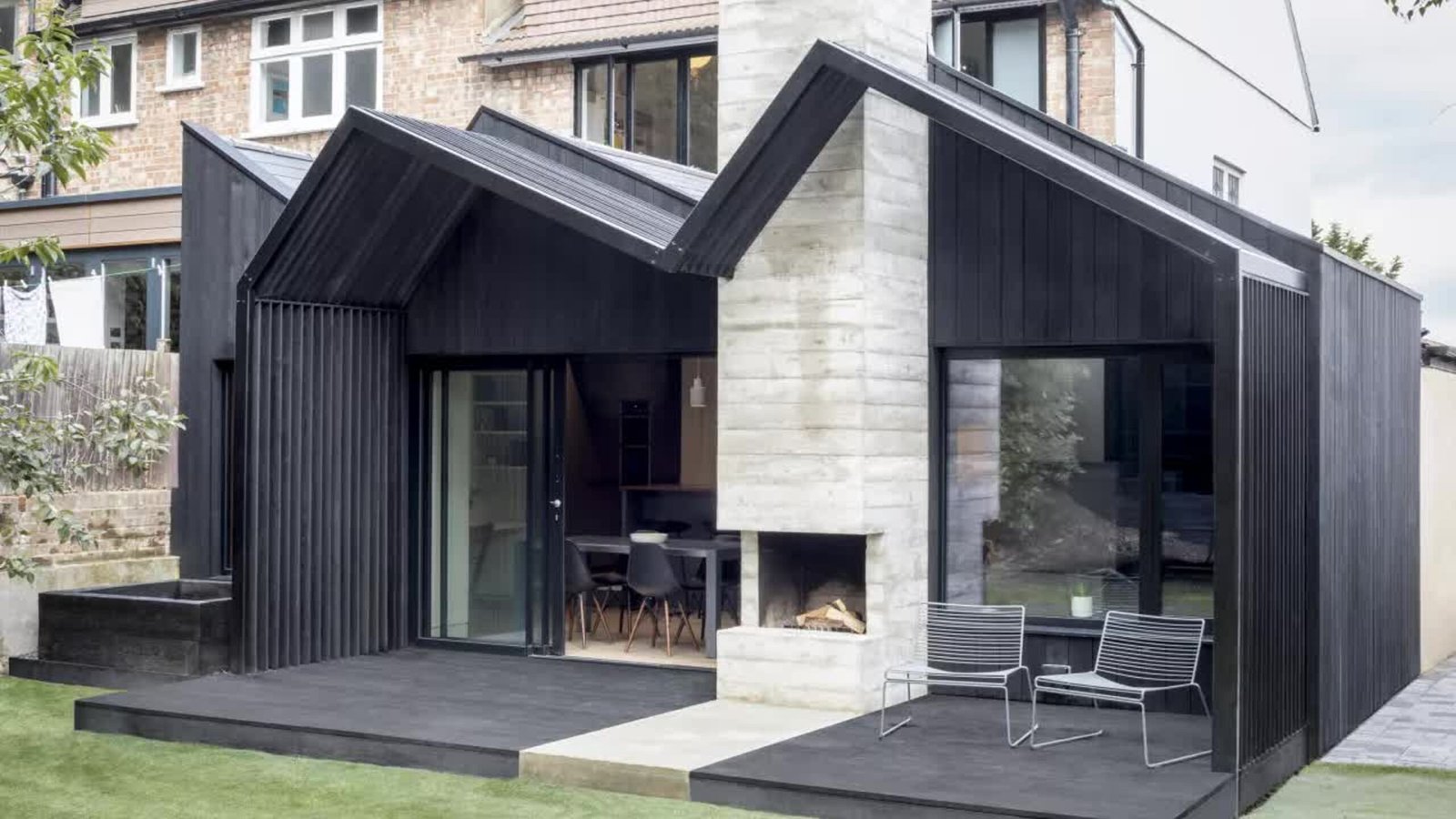
The visual impact is moderate. Single storey additions are less visually prominent than double storey extensions. They don’t tower above existing buildings. They don’t dramatically change property silhouettes. This moderate impact often facilitates planning approval.
Why Single Storey Extensions Work
Structural simplicity is significant. One floor means simpler roof design. One floor means straightforward foundation work. One floor means uncomplicated load distribution. Structural engineering is straightforward compared to multi-storey work. This simplicity reduces costs and complexity.
Cost efficiency is substantial. Single storey extensions typically cost 30 to 40 percent less than double storey equivalents. Labor costs are lower because less structural work is required. Material costs are lower because less material is needed. Total project costs are significantly more affordable.
Speed of construction is genuinely faster. Foundation work is simpler. Roof installation is quicker. Interior fitting-out proceeds faster. Projects complete in weeks rather than months for actual construction. Though planning and design add time, total projects are typically faster than double storey alternatives.
Planning approval is often straightforward. Many single storey extensions qualify for Permitted Development without Planning Permission. Others get Planning Permission readily because visual impact is acceptable. Design doesn’t need to be as carefully considered as double storey additions. Neighborhood impact is manageable.
Quality of construction is excellent. Simpler structures are easier to build well. Fewer complex connections means fewer potential mistakes. Quality execution is more straightforward. The result is solid, reliable construction.
Garden connection is preserved. Unlike some property expansions that consume garden space, single storey extensions allow gardens to remain reasonably intact. Families get space they need while maintaining outdoor areas.
Single Storey Extension Applications
Kitchen extensions are most common applications. Kitchens in period properties are often tiny. Extensions create proper cooking spaces. Dining areas integrate naturally. Kitchen-living connections become possible. Families gain functionality that transforms daily life.
Living room extensions add comfortable entertaining space. Existing living rooms expand backward. Ceilings height varies—some have low roofs creating cozy spaces, others have high ceilings with skylights creating impressive rooms. Gardens become visually connected through large windows. Properties gain both space and light.
Bedroom additions provide sleeping space. Single storey rear bedrooms work well. Ground floor bedrooms create flexibility for aging homeowners or families with accessibility needs. Guest accommodation becomes practical. Additional sleeping options increase property flexibility without major structural work.
Home office extensions create dedicated workspaces. Remote working increases demand for proper office spaces. Extensions provide quiet, professional environments separate from main living areas. Natural light from windows creates pleasant work spaces. Professional atmosphere supports focused work.
Garden rooms blend indoor and outdoor living. Glass walls with timber framing maximize light. Bifold doors create seamless transitions to gardens. These spaces feel connected to nature while providing enclosed shelter. Year-round enjoyment becomes possible.
Combination extensions serve multiple purposes. Kitchen-dining-living spaces in L-shaped or wraparound configurations. Extensions becoming central gathering spaces. Multiple functions in single structure.
Single Storey’s Extension Design Considerations
Roof design matters aesthetically and functionally. Simple pitched roofs work well on period properties. Flat roofs suit contemporary designs. Roof integration with existing buildings should appear intentional. Poor roof design makes extensions look like additions rather than enhancements.
Window and door placement affects light and views. Large windows bring daylight in. Strategic positioning frames garden views. Bifold doors create seamless outdoor connection. Skylights bring light to interior spaces. Window design transforms interior experience.
Material selection affects how extensions look. Matching existing brick preserves character. Contemporary materials work on modern properties. Material transitions should feel deliberate. Poor material choices make extensions look obviously added.
Internal layout determines functionality. Open plan or subdivided spaces? Connection between old and new? How spaces flow together? Layout planning ensures functionality matches space.
Storage solutions maximize space. Built-in storage uses corners efficiently. Custom shelving maximizes vertical space. Integration of storage into design prevents afterthought appearance.
Lighting design affects ambiance. Natural light from windows and skylights. Supplemental electric lighting for evening use. Lighting design creates pleasant atmosphere.
| Design Element | Options | Impact on Result | Common Mistakes |
| Roof Design | Pitched or flat | Visual integration | Poor pitch matching |
| Windows | Various sizes/positions | Light and views | Too small or poorly placed |
| Materials | Matching or contemporary | Visual harmony | Mismatched materials |
| Layout | Open or subdivided | Functionality | Poor circulation |
| Storage | Built-in solutions | Organization | Insufficient storage |
| Lighting | Natural and electric | Ambiance | Inadequate natural light |
| Flooring | Continuous or stepped | Flow and transitions | Awkward level changes |
| Ventilation | Adequate systems | Air quality | Stuffy atmosphere |
Single Storey’s Extension Timelines and Costs
Design and build typically take 3 to 4 months. Building Regulations adds 1 to 2 months. Construction takes 3 to 4 months. Total projects typically take 5 to 8 months.
Costs vary by location, size, and specification. Budget extensions cost less. Premium extensions cost more. Typical single storey extensions range from 60000 to 100000 including all costs.
Extension Architecture: Single Storey Specialists
Extension Architecture specializes in single storey extensions. They understand what works. They design beautiful functional spaces. They manage projects professionally.
They provide transparent process. You understand decisions. You’re involved throughout. There are no surprises.
They deliver quality outcomes. Extensions enhance properties. They function beautifully. They add value.
For your single storey extension, Extension Architecture provides the expertise you need. Contact them for consultation on creating your extension.
About the Author