Going into the wilderness sounds simple enough. Pick a route, pack a bag and head out. Until the weather changes. Or the trail takes longer than expected. Or somebody gets a bad blister, runs out of water or takes a wrong turn. That’s usually when the things that seemed unnecessary before leaving suddenly become very important.
A bit of preparation can make a huge difference. It doesn’t mean carrying a giant backpack full of equipment or planning for every possible disaster. It mostly means thinking about what could realistically go wrong and having a basic answer for it.
Know Where You’re Going
Start with the route. Not just the pretty pictures or the estimated walking time on a hiking app. Look at the actual terrain, elevation, access points and weather conditions. Check whether there are any recent trail closures or warnings as well. A route that looks easy on a screen can be a completely different experience after heavy rain or strong winds.
Weather is particularly worth checking if the trip involves hills or exposed ground. Conditions can change surprisingly quickly. A sunny morning doesn’t mean the afternoon will stay sunny. Pack accordingly. A waterproof jacket isn’t much fun to carry around when it’s not raining. It’s even less fun to realise it was left at home when the rain starts.
Someone outside the group should also know the plan. Give them the route, where the car is parked, roughly when the group should be back and who’s going. It takes a few minutes. If nobody hears from the group later, those few minutes could matter.
Pack the Boring Stuff
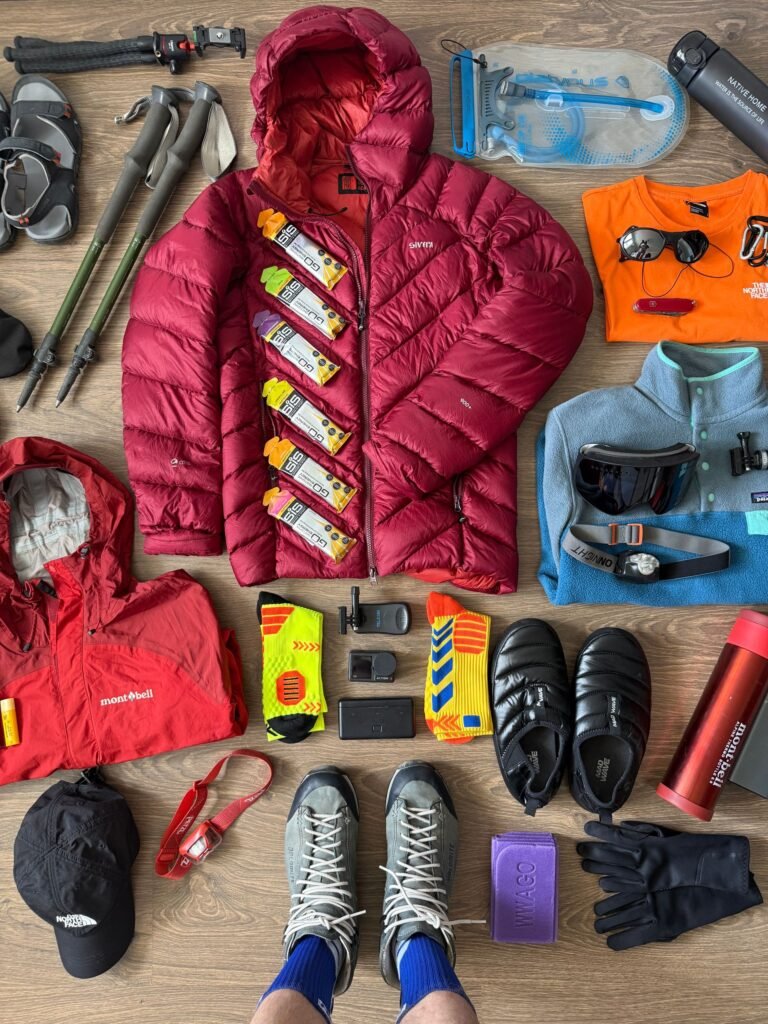
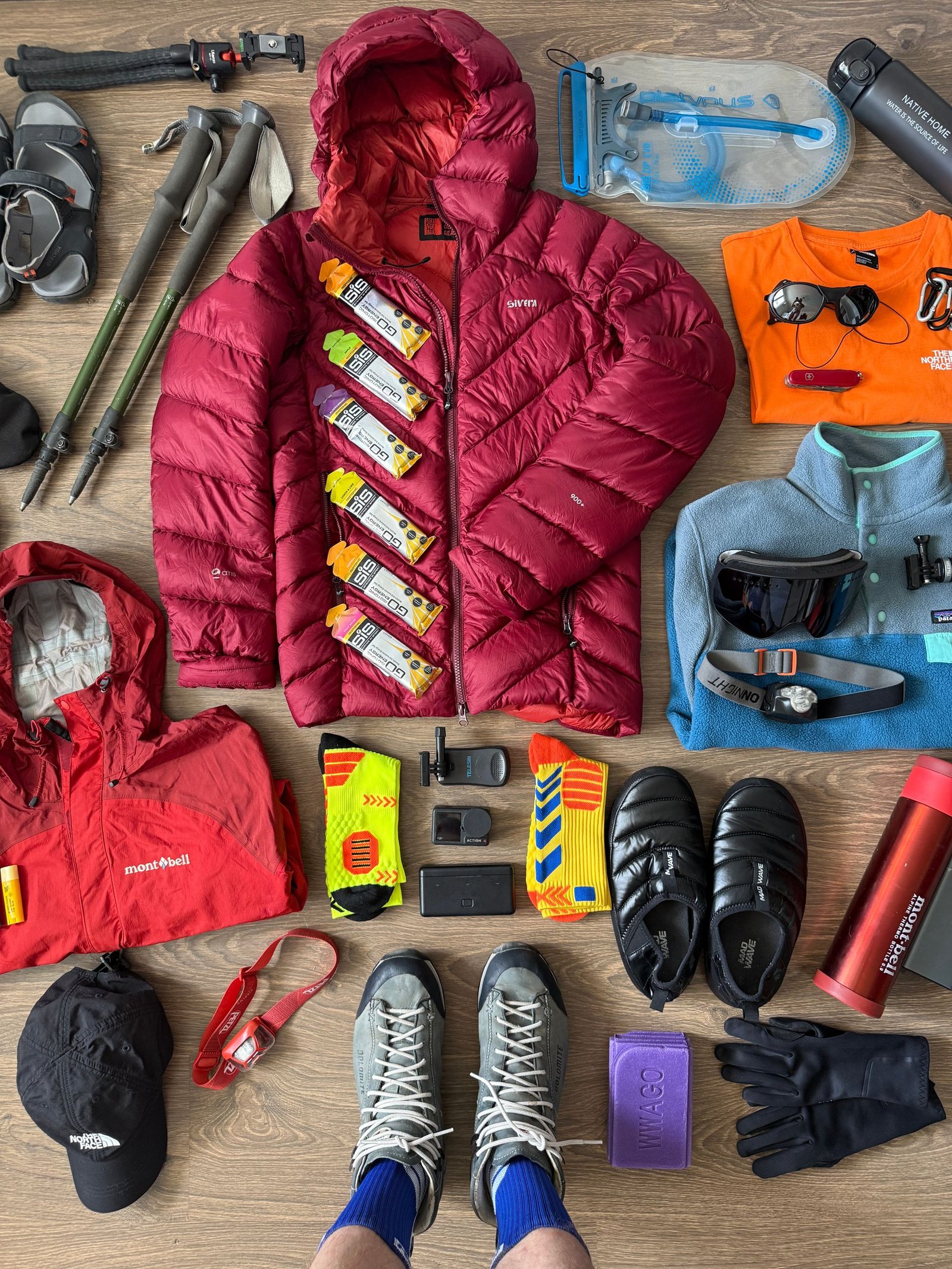
The things that usually get ignored are often the things that become useful when a trip stops going according to plan. A map. Compass. First-aid kit. Headlamp. Extra food. Water. Waterproof clothing. Some form of emergency shelter. All of these things are worth having if things go sideways.
The National Park Service’s Ten Essentials guidance is a useful reference here. It covers the basic equipment needed to deal with navigation problems, injuries, weather changes and unexpected delays.
Food is another one. Take something that can be eaten without cooking. A couple of energy bars or other high-energy snacks don’t take up much room and can be useful if a two-hour walk suddenly becomes a five-hour walk.
Water is even more important. Instead of thinking there will always be a safe place to fill up, bring enough for the intended journey. Bring a proper filtration or purification method if you want to utilise natural water.
And yes, take the extra layer. It’s one of those things that can feel unnecessary right up until it isn’t.
Your Phone Is Useful, It Isn’t a Survival Plan
Phones have made outdoor navigation much easier. Maps, GPS, weather apps, emergency contacts, cameras – all of it fits into a pocket. The problem is that phones still need battery and a network. Neither is guaranteed in the wilderness.
There can be perfectly good-looking areas where there’s no mobile signal at all. Valleys and dense woodland can be particularly frustrating. Searching for a signal over and over is also a good way of using the battery that may be needed later. This is why having another way to communicate can be sensible, especially when a group is covering a larger area.
For example, two way radios can allow people to stay in contact when they’re separated along a trail or working around a campsite without relying on mobile coverage. They’re not a replacement for proper emergency equipment, especially on serious backcountry trips. A satellite communicator or personal locator beacon may be more appropriate for very remote routes. The important thing is having a communication plan before leaving rather than trying to figure one out after something happens.
And test the equipment. It sounds obvious, but finding out that something wasn’t charged properly after reaching the middle of nowhere is a fairly avoidable mistake.
First Aid Isn’t Just for Major Injuries
A first-aid kit doesn’t need to take up half the backpack. A small kit with bandages, antiseptic wipes, blister treatment, basic medication and any personal medicines is enough for many day trips. Blisters are a good example of why this matters. They’re hardly a major emergency, but after several miles of walking, a small blister can become extremely painful. The same goes for minor cuts or a twisted ankle. Dealing with something early is generally easier than ignoring it until it becomes a bigger problem.
There’s another part of first aid that gets overlooked: knowing what’s actually in the kit. A box of supplies isn’t particularly helpful if nobody knows how to use them.
Have a Point Where You Turn Back
This is probably the hardest rule for people to follow. There’s a tendency to think that turning around means the trip has failed. It doesn’t. If someone is exhausted, the weather is getting worse, daylight is disappearing or the route is taking much longer than expected, continuing just because the original plan said so is not sensible.
Set a turnaround time before starting. Then actually use it. Maybe the viewpoint gets missed. Maybe the summit doesn’t happen that day. That’s frustrating, but it’s better than rushing back in darkness or trying to navigate through bad weather. The wilderness will still be there another day.
A Little Preparation Goes a Long Way
Most outdoor problems aren’t completely unexpected. They usually start with something fairly ordinary such as a late start, a wrong turn, bad weather, or not enough water and then become harder to manage because there was no backup plan. That’s why preparation matters.
Check the route. Check the forecast. Tell someone where the group is going. Carry basic navigation equipment. Take enough food and water. Bring something warm and waterproof. And keep the plan flexible. When conditions urge you to quit trekking, there’s no reward for continuing. Even if the route turns out to be shorter than anticipated, the travel that ensures everyone returns safely is the best one.
About the Author