home theater
You settle into your home theater for a weekend movie marathon, popcorn in hand, lights dimmed to perfection. Two hours in, you’re shifting constantly, your lower back aches, and your neck feels stiff. The immersive experience you invested in is now overshadowed by physical discomfort. Sound familiar? If so, it’s time to ask yourself: is your home theater seating providing enough ergonomic support? For movie enthusiasts who spend hours enjoying films, series, or gaming sessions, the quality of your seating directly impacts both your health and your enjoyment. Poor posture, inadequate lumbar support, and insufficient cushioning lead to fatigue, chronic pain, and a diminished viewing experience. A loveseat recliner designed with ergonomic principles can transform your home theater from a source of discomfort into a sanctuary of relaxation. Whether you watch alone or share the space with a partner, the right seating ensures long-term comfort that keeps you focused on the screen rather than your aching body. Let’s explore what truly supportive home theater seating looks like and how to find your perfect fit.
Why Ergonomic Support is Non-Negotiable for Home Theater Seating
Ergonomic support in seating refers to design that aligns with the natural curves and mechanics of the human body, promoting healthy posture while minimizing strain on muscles and joints. In the context of home theater seating, this means chairs that actively support your spine, distribute your weight evenly, and allow your body to maintain a neutral, relaxed position throughout hours of use. Without proper ergonomic support, prolonged sitting compresses spinal discs, restricts blood flow to your legs, and forces muscles in your back and shoulders to compensate for poor alignment. Over weeks and months, these issues compound into chronic lower back pain, sciatica, and tension headaches that extend well beyond your theater room. For movie enthusiasts who regularly dedicate entire evenings or weekends to binge-watching, the consequences of poor ergonomics are especially pronounced. Discomfort creeps in gradually, pulling your attention away from the storyline and toward the nagging ache in your lumbar region. You pause more often, stretch awkwardly, and ultimately cut sessions short. The irony is clear: the space you built for relaxation becomes a source of physical stress. Prioritizing ergonomic support isn’t just about comfort — it’s about protecting your long-term health while preserving the immersive experience you deserve.
Key Ergonomic Features to Look For
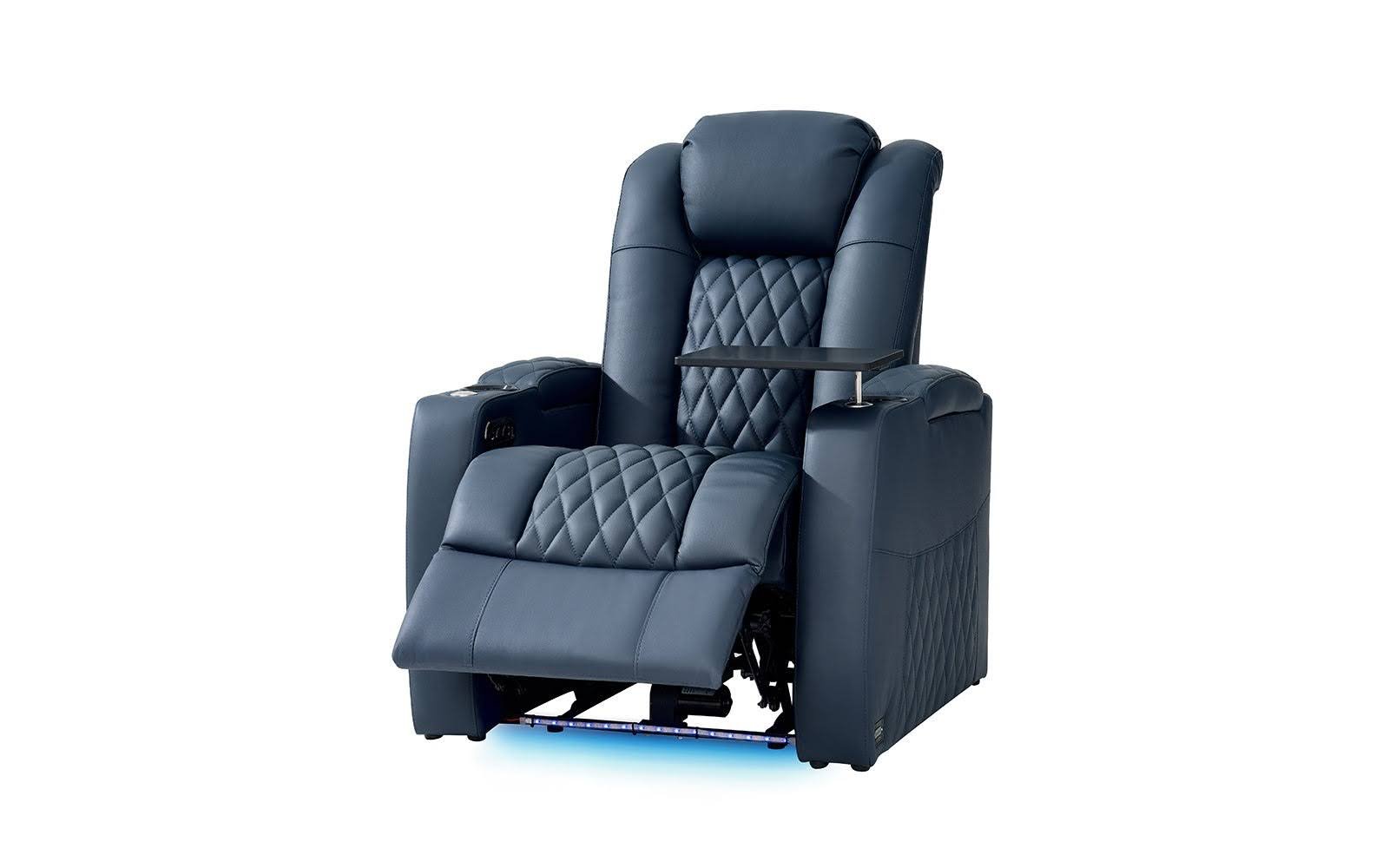
When evaluating home theater seating, several ergonomic features separate genuinely supportive designs from those that merely look comfortable. Lumbar support is the most critical element — a contoured backrest or built-in lumbar cushion that fills the natural inward curve of your lower spine prevents slouching and reduces pressure on intervertebral discs. Adjustable headrests are equally important, allowing you to position neck support at the exact height where your cervical spine stays neutral, which eliminates the forward-head posture that causes neck stiffness during long films. A quality reclining mechanism should offer multiple locking positions rather than a single flat recline, so you can find the precise angle where your hip flexors relax and your spine decompresses without sliding forward. Padded, supportive armrests at the correct height keep your shoulders from hunching, while a seat pan with appropriate depth ensures your back contacts the lumbar support without pressing into the backs of your knees. Together, these features create a seating environment where your body is cradled in alignment, letting you focus entirely on the screen.
Designing for Ultimate Comfort: Features of a Comfortable Seating Loveseat Recliner
Comfortable seating in a home theater loveseat recliner comes down to a careful balance between plush softness and structural support. Cushioning density plays a central role in this equation — foam that’s too soft collapses under your weight within the first hour, creating pressure points at your sit bones and leaving your spine unsupported. High-resilience foam, typically rated at 2.5 pounds per cubic foot or higher, maintains its shape across extended viewing sessions while still providing that initial sink-in feeling you want when you first sit down. Memory foam layers on top of a firm base offer the best of both worlds, conforming to your body’s contours while the denser core prevents bottoming out.
Seat depth matters more than most buyers realize. A seat pan that’s too deep forces you to either slouch backward or perch on the edge, both of which defeat the purpose of ergonomic design. Ideally, you should be able to sit with your back fully against the lumbar support while maintaining two to three fingers of clearance between the seat edge and the back of your knees. This allows proper circulation in your legs during three-hour films without creating pressure behind your knees.
Padding materials also affect long-term comfort and temperature regulation. Gel-infused memory foam dissipates heat better than traditional foam, preventing that sticky, overheated feeling that builds during summer movie nights. Some loveseat recliners incorporate sinuous spring systems beneath the cushion foam, adding responsive bounce that prevents the flat, dead feeling of pure foam construction. Compare this to models using only slab foam, which tend to develop permanent body impressions within a year of regular use. When you’re evaluating comfortable seating options, press firmly into the cushion and release — quality foam rebounds within two seconds, while inferior materials hold the impression noticeably longer. This simple test reveals more about long-term comfort than any showroom first impression ever could.
Planning Multi-Row Setups for an Immersive Home Theater Experience
When your home theater serves more than just one or two viewers, multi-row setups become essential for ensuring everyone enjoys an unobstructed, comfortable experience. The key challenge is arranging seating so that rear rows have clear sightlines to the screen without requiring viewers to crane their necks or peer between heads. Risers solve this problem effectively — elevating the second row by eight to twelve inches creates a stadium-style arrangement where every seat feels like the best seat in the house. The spacing between rows matters just as much as the height difference. You need enough clearance for people in the front row to fully recline without bumping into the knees of those behind them, which typically means leaving at least 24 inches of open floor space between the back of the front row and the front edge of the second row’s seat pan.
Viewing angles deserve careful attention during planning. The center of your screen should sit at or slightly below eye level for the front row, which means rear-row viewers on a riser naturally look slightly downward — a comfortable, neck-friendly position. Avoid placing any seat at an extreme horizontal angle to the screen, as this forces sustained head rotation that leads to neck fatigue within a single film. For rooms wider than they are deep, curving the rows slightly toward the screen helps maintain consistent viewing angles across all positions. Accessibility is another practical consideration: leave a wide enough aisle on at least one side for easy entry and exit without disturbing seated viewers. Integrating your multi-row setups with the room’s lighting, speaker placement, and acoustic panels during the planning phase prevents costly rearrangements later and ensures the entire space works together to deliver a truly immersive experience for every guest.

Investing in Durability: Choosing Materials That Last
The durable materials you choose for your home theater seating determine whether your investment pays dividends for a decade or deteriorates within a few years. Top-grain leather remains the gold standard for longevity — it develops a rich patina over time, resists cracking when properly conditioned, and handles the friction of frequent reclining without wearing thin at stress points. However, it requires periodic conditioning and comes at a premium cost. Faux leather offers a similar aesthetic at a lower price point and resists stains well, but cheaper versions tend to peel and flake after two to three years of regular use, particularly in warm environments where body heat accelerates material breakdown. High-performance polyester and microfiber fabrics present a compelling alternative for households with children or pets, offering superior breathability and stain resistance while maintaining a soft hand feel that doesn’t stick to skin during long sessions.
Beyond upholstery, frame construction fundamentally determines how long your loveseat recliner maintains its structural integrity. Kiln-dried hardwood frames — typically birch, maple, or beech — resist warping and joint separation far better than engineered wood or metal alternatives. Reinforced corner blocks glued and screwed at every joint prevent the creaking and wobbling that plague cheaper constructions within their first year. The reclining mechanism itself deserves scrutiny: steel-gauge hardware with smooth pivot points outlasts lightweight mechanisms that develop play and noise over time. When selecting durable materials, think of your seating as a system where every component — from the stitching thread to the base springs — must match the quality of the others to deliver consistent performance through years of movie nights.
Step-by-Step Guide to Selecting Your Ideal Home Theater Seating Loveseat Recliner
Finding the perfect home theater seating loveseat recliner requires a systematic approach that accounts for your space, body, and viewing habits. Start by assessing your room dimensions and layout. Measure the available floor space, noting wall distances, screen placement, and any architectural features like columns or doorways that constrain furniture positioning. Determine whether you need a single loveseat recliner or a multi-row setup based on how many people typically watch together. Consider traffic flow — you’ll want at least 18 inches of clearance around the seating for comfortable movement.
Next, establish a realistic budget that reflects your usage frequency. If you spend fifteen or more hours weekly in your theater, investing in higher-quality construction pays for itself through years of reliable comfort rather than replacing cheaper alternatives every few seasons. Allocate your budget with the understanding that ergonomic features and durable materials command a premium but deliver measurable returns in comfort and longevity.
When evaluating specific models, prioritize ergonomic features above aesthetics. Sit in the recliner for at least fifteen minutes during testing — first impressions fade quickly, and true comfort reveals itself over time. Check that lumbar support contacts your lower back without gaps, that the headrest aligns with your cervical spine, and that the reclining mechanism locks securely at multiple angles. Your feet should rest flat on the extended footrest without your body sliding forward. Test the armrest height by letting your arms hang naturally; they should meet the padding without lifting your shoulders. Brands like Comfiroom that specialize in home furnishings often provide detailed ergonomic specifications, making it easier to compare models before committing.
Examine material quality by inspecting stitching consistency, checking for reinforced seams at stress points, and asking about foam density specifications. Run your hand along edges and corners where upholstery meets the frame — tight, uniform wrapping indicates careful construction. Ask about warranty coverage for the frame, mechanism, and cushioning separately, as these components age differently. Avoid retailers who bundle everything under a single short-term warranty, which often signals lower confidence in their product’s durability.
Finally, plan your installation before purchasing. Confirm that the loveseat recliner fits through doorways and hallways leading to your theater. If you’re building a multi-row configuration, order risers and seating together to ensure compatibility. Purchase from retailers who offer in-home delivery and setup, and who maintain clear return policies in case the seating doesn’t perform as expected once installed in your actual viewing environment. Avoid buying solely based on online photos — whenever possible, test in person or purchase from companies with generous trial periods that let you evaluate comfort over several movie sessions rather than a brief showroom visit.
Elevate Your Viewing Experience With the Right Ergonomic Seating
Your home theater should be a place where you lose yourself in stories, not where you lose comfort after the first hour. As we’ve explored, ergonomic support forms the foundation of any worthwhile seating investment — proper lumbar contouring, adjustable headrests, and multi-position reclining mechanisms protect your spine and keep discomfort from stealing your attention. Comfortable seating depends on the right cushioning density and seat depth working together, while durable materials like top-grain leather and kiln-dried hardwood frames ensure your loveseat recliner performs reliably for years. For those hosting family or friends, thoughtful multi-row setups with proper elevation and spacing guarantee everyone enjoys an unobstructed, neck-friendly view. Now is the time to evaluate your current home theater seating honestly. Sit through an entire film and notice where tension builds, where you shift, and where support falls short. Use the step-by-step selection guide to identify exactly what your space and body need, then invest in a home theater seating loveseat recliner that delivers genuine ergonomic support. Your back, your neck, and your movie-watching experience will thank you for it.
About the Author