Every athlete knows the frustration of sitting on the sidelines after an injury — watching progress stall while the body struggles to heal. The road back to peak performance demands more than rest alone; it requires targeted, science-backed recovery tools that address both physical repair and overall wellness. Enter red light therapy belts, a cutting-edge solution that is reshaping how athletes approach post-injury rehabilitation.
These wearable devices deliver clinically studied wavelengths of red and near-infrared light directly to affected muscle groups, offering a dual advantage that few recovery tools can match: accelerated muscle healing and meaningful support for weight management. Built on FDA-approved technology, red light therapy belts work by enhancing blood circulation to damaged tissue, reducing lactic acid accumulation, and stimulating cellular repair — all without invasive procedures or lengthy downtime.
But how exactly does this technology translate into faster recovery and better body composition for an injured athlete? Can a single wearable device genuinely bridge the gap between rehabilitation and weight control? This article breaks down the science, safety standards, and practical applications of red light therapy belts, showing how they can become an essential component of any serious athlete’s recovery strategy.
Understanding Red Light Therapy Belts for Weight Loss and Recovery
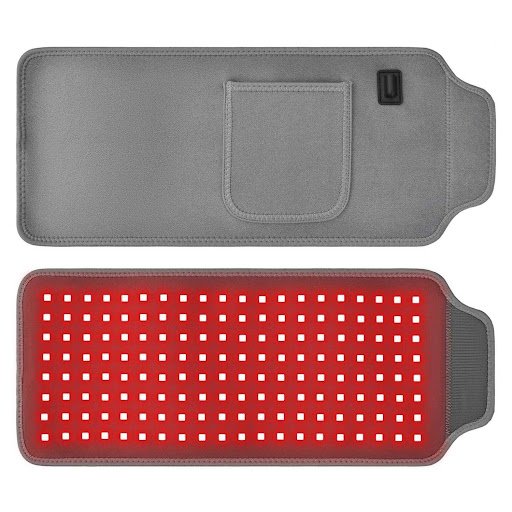
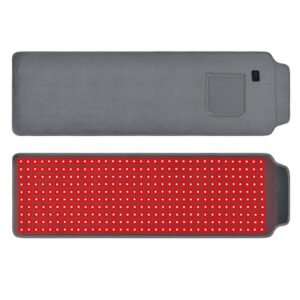
A red light therapy belt is a wearable device designed to deliver targeted wavelengths of red light (typically 630–660nm) and near-infrared light (810–850nm) directly to muscle tissue through flexible LED panels embedded in an adjustable band. Unlike ice packs, compression wraps, or TENS units that address surface-level symptoms, red light therapy works at a biological level — influencing the very cells responsible for tissue repair and energy metabolism.
What sets these belts apart for athletes is their dual-purpose capability. The same mechanism that speeds up muscle healing also disrupts fat cell integrity, making them uniquely suited for athletes navigating the tricky overlap between injury recovery and weight management. When you are sidelined from training, maintaining body composition becomes a real concern, and red light therapy belts offer a passive yet clinically supported way to address both simultaneously.
How Red Light Technology Works on Cellular Level
The underlying process is called photobiomodulation. When specific light wavelengths penetrate skin and reach muscle tissue, they are absorbed by mitochondrial receptors, triggering increased ATP production — essentially giving cells more energy to repair, replicate, and function efficiently. This cellular boost accelerates tissue regeneration after injury while also stimulating adipocytes to release stored fatty acids, supporting measurable fat reduction alongside the healing process.
FDA-Approved Therapy: Ensuring Safe Muscle Recovery for Athletes
When an athlete is recovering from injury, the last thing they need is a device that introduces new risks. FDA clearance is not a marketing badge — it represents a rigorous evaluation process in which a device must demonstrate both safety and effectiveness before reaching consumers. In the context of red light therapy belts, FDA clearance means the technology has been reviewed against established standards for phototherapy devices, giving athletes and their healthcare teams a measurable baseline of confidence. This distinction matters enormously when choosing recovery tools, since the market is flooded with unverified gadgets making bold claims without any regulatory backing.
Several red light therapy belts have earned FDA clearance, including devices from brands like Joovv, Mito Red Light, and BioMax, each offering validated wavelength outputs and documented safety profiles suited for musculoskeletal applications. Athletes expanding their phototherapy toolkit beyond belts — incorporating targeted devices like the red light therapy masks offered by YouLumi — can draw on the same clinically established wavelength principles across different treatment areas. For post-injury athletes, this regulatory stamp addresses a critical need: reliable, repeatable results without the guesswork.
Benefits of Choosing an FDA-Cleared Muscle Recovery Belt
Selecting an FDA-cleared belt over a non-approved alternative carries concrete advantages beyond peace of mind. Cleared devices undergo testing for electrical safety, light output accuracy, and tissue interaction — ensuring the wavelengths delivered actually match what is advertised. Non-approved alternatives frequently emit inconsistent light intensities or incorrect wavelengths, rendering them ineffective or potentially harmful to already compromised tissue. For injured athletes who cannot afford setbacks, this reliability is non-negotiable. An FDA-cleared belt also facilitates smoother communication with sports medicine physicians, physical therapists, and insurance providers, who are more likely to support and integrate a verified device into a formal rehabilitation program.
Enhanced Blood Flow and Reduced Lactic Acid: Core Mechanisms for Rehabilitation
Two of the most persistent obstacles in post-injury recovery are poor circulation to damaged tissue and the accumulation of lactic acid in overworked or traumatized muscles. Red light therapy belts address both directly. When red and near-infrared wavelengths penetrate the skin, they stimulate nitric oxide release in blood vessel walls, causing vasodilation — a widening of the vessels that dramatically increases blood flow to the targeted area. For an injured athlete, this means oxygen and nutrient-rich blood reaches damaged tissue faster, while metabolic waste products are cleared more efficiently. The result is a measurably shorter inflammatory phase and a quicker transition into active tissue repair.
Lactic acid buildup, which causes the familiar burning soreness during and after intense activity, is equally responsive to phototherapy. By boosting mitochondrial activity, red light therapy accelerates the conversion of lactate back into usable energy, reducing post-exercise soreness and allowing athletes to engage more comfortably in rehabilitation exercises. This is particularly significant during recovery, when even moderate physical therapy sessions can trigger disproportionate muscle fatigue in deconditioned tissue.
Scientific Evidence Supporting Improved Circulation and Recovery
The research backing these mechanisms is substantive. A peer-reviewed study published in the journal Photomedicine and Laser Surgery found that low-level laser therapy significantly reduced blood lactate levels in athletes following high-intensity exercise, with treated subjects recovering baseline lactate concentrations nearly 30% faster than controls. Separate research in Sports Medicine Open documented measurable improvements in microcirculation following near-infrared exposure, directly correlating enhanced blood flow with reduced muscle damage markers. Sports medicine practitioners have increasingly incorporated photobiomodulation into formal rehabilitation protocols precisely because these circulatory and metabolic effects are reproducible — giving injured athletes a reliable, evidence-grounded tool for shortening downtime without pharmaceutical intervention.
Weight Loss Benefits: Supporting Athlete Recovery and Performance
For an injured athlete, weight management is not a vanity concern — it is a clinical one. Every additional pound of body fat places measurable stress on healing joints, tendons, and ligaments, slowing rehabilitation and increasing re-injury risk. Red light therapy belts address this directly by triggering a process called lipolysis in fat cells. When near-infrared wavelengths penetrate adipose tissue, they create temporary pores in fat cell membranes, prompting the release of stored triglycerides into the bloodstream, where they are metabolized as fuel. Clinical studies have documented meaningful reductions in waist and hip circumference with consistent use, making this a tangible, passive complement to any athlete’s recovery protocol.
Beyond direct fat reduction, red light therapy elevates resting metabolic rate by enhancing mitochondrial efficiency — the same cellular mechanism driving tissue repair also means the body burns more calories at rest. For an athlete whose training volume has dropped sharply due to injury, this metabolic support helps offset the composition changes that typically accompany forced inactivity. Improved energy availability also translates into better endurance during physical therapy sessions, allowing athletes to work harder and recover more completely between appointments.
Integrating Weight Loss with Muscle Repair for Optimal Results
The synergy between fat loss and muscle healing becomes most powerful when red light therapy is paired with deliberate nutritional and movement strategies. During recovery, prioritizing adequate protein intake — roughly 1.6 to 2.2 grams per kilogram of body weight daily — preserves lean muscle mass while the lipolytic effects of the belt work on fat stores. Combining belt sessions with low-impact rehabilitation exercises like swimming or cycling amplifies circulation benefits and accelerates lactate clearance, compounding the recovery gains. Scheduling 10–20 minute belt sessions immediately before physical therapy can prime tissue responsiveness, while post-session use supports inflammation management and soreness reduction. Tracking circumference measurements weekly alongside body weight gives a more accurate picture of progress, since muscle preservation during fat loss means the scale alone can be misleading. This integrated approach ensures athletes emerge from injury not just healed, but in stronger compositional shape than when recovery began.
Practical Steps: Using a Red Light Therapy Belt for Post-Injury Rehabilitation
Getting meaningful results from a red light therapy belt requires more than strapping it on and hoping for the best. The first step is consulting with a sports medicine physician or physical therapist before beginning therapy, particularly if you are recovering from a surgical procedure or significant soft tissue injury. A qualified practitioner can confirm that phototherapy is appropriate for your specific condition and recommend treatment parameters that align with your rehabilitation timeline.
Once cleared, proper belt placement is critical. Position the device directly over the injured muscle group or joint, ensuring the LED panels maintain full contact with the skin rather than sitting over thick clothing. For abdominal or hip placements targeting both core recovery and fat reduction, the belt should fit snugly but not restrict breathing. Set treatment duration to 10–20 minutes per session, working up from shorter intervals if your skin is sensitive. Frequency matters: three to five sessions per week produces consistent photobiomodulation benefits without tissue oversaturation. Keep a simple log noting session length, placement, and any changes in soreness, swelling, or range of motion — this data helps your healthcare provider adjust the protocol as healing progresses.
Sample Rehabilitation Routine with a Muscle Recovery Belt
A practical weekly structure for injured athletes might look like this: on Monday, Wednesday, and Friday, use the belt for 15 minutes before your physical therapy session to prime circulation and reduce pre-session stiffness, then apply it again for 10 minutes post-session to manage inflammation. On Tuesday and Thursday, a single 20-minute session targeting the injury site supports ongoing tissue repair on active rest days. Always allow at least six hours between sessions on the same area to let cellular processes complete their cycle. Avoid applying the belt to open wounds, areas with active bleeding, or over implanted electronic devices. As recovery advances and mobility improves, gradually increase session frequency rather than duration, and reposition the belt to address secondary muscle groups that have compensated during injury — a commonly overlooked contributor to re-injury risk.
Choosing the Right Red Light Therapy Belt: A Buyer’s Guide
Not all red light therapy belts deliver equal results, and for an injured athlete, selecting the wrong device wastes both time and money during a critical recovery window. Start with FDA clearance as a non-negotiable baseline — any belt without it should be disqualified immediately. Next, confirm the device emits proven therapeutic wavelengths: red light in the 630–660nm range for surface tissue and near-infrared between 810–850nm for deeper muscle penetration. Belts offering dual-wavelength output provide broader therapeutic coverage and are worth prioritizing.
Evaluate build quality by checking LED panel density, battery life, and adjustability — a belt that fits poorly or dims after minimal use will not sustain a multi-week rehabilitation protocol. Look for devices with documented irradiance levels above 30mW/cm², as lower outputs often fall short of the therapeutic threshold. Athlete reviews citing specific recovery outcomes carry more weight than general testimonials. Finally, choose a belt with a clear warranty and manufacturer support, ensuring you have recourse if performance issues arise mid-recovery.
About the Author