Mickey Rourke Young
Mickey Rourke young was one of the most fascinating faces of 1980s Hollywood. Before he became known for his dramatic transformation, boxing injuries, comeback roles, and tough public image, he was widely seen as one of the most attractive and talented actors of his generation. His early screen presence was rare. He had beauty, danger, sadness, charm, and rebellion all in one frame.
When people search for “Mickey Rourke young,” they are usually looking for his early photos, his 1980s movies, his natural looks before boxing, and the story behind his rise to fame. Young Mickey Rourke had a soft but masculine appearance, a quiet voice, and a mysterious energy that made him different from other actors of the time. He was not just handsome. He looked complicated, emotional, and unpredictable.
His younger years tell the story of a man who came from a difficult background, found discipline through boxing, moved into acting, became a major Hollywood talent, and then made choices that changed the direction of his life. Mickey Rourke’s early career remains important because it shows how powerful natural screen presence can be.
Who Is Mickey Rourke?
Mickey Rourke is an American actor, former boxer, and screenwriter. His real name is Philip Andre Rourke Jr. He was born on September 16, 1952, in Schenectady, New York. He became famous in the 1980s through films that showed his intense acting style and magnetic personality.
He is best known for movies such as Diner, Rumble Fish, The Pope of Greenwich Village, Year of the Dragon, 9½ Weeks, Angel Heart, Barfly, Sin City, and The Wrestler. His career has had many highs and lows, but his name remains connected with raw talent and emotional acting.
Young Mickey Rourke was not a typical Hollywood star. He did not have the clean, safe image of many leading men. He looked like someone who had lived through pain. He carried himself like a boxer, spoke like someone hiding secrets, and acted with a quiet intensity that made audiences watch him closely.
Mickey Rourke Young: Early Life and Childhood
Mickey Rourke’s early life was shaped by family difficulties, movement, and emotional struggle. After his parents separated, he moved with his mother and siblings to South Florida. He grew up in Miami, where he became interested in sports and fighting at a young age.
As a child, Rourke was drawn to boxing because it gave him structure and confidence. Boxing became a place where he could release anger, build discipline, and feel strong. It also gave him a sense of identity before acting entered his life.
This part of his childhood is important because it explains the energy he later brought to the screen. Young Mickey Rourke did not seem like an actor pretending to be tough. He had real toughness in his body language. His movements, eyes, and silence often carried the feeling of someone who understood conflict.
His early struggles also helped him bring emotional honesty to his roles. Many of his characters felt wounded, restless, or dangerous. That was not just acting technique. It came from something personal.
Mickey Rourke Young and His Boxing Background
Before Mickey Rourke became a movie star, he wanted to be a boxer. He trained seriously as a young man and competed as an amateur fighter. Boxing was one of the strongest influences on his personality and physical style.
His boxing background gave him discipline, strength, and confidence. It also gave him a different kind of masculinity on screen. He was not just posing as a tough man. He had the posture and instincts of someone who had spent time in the ring.
Young Mickey Rourke’s boxing experience also added danger to his performances. Even when he played romantic or charming characters, there was always a feeling that something could change suddenly. He could smile softly, but the audience still felt tension underneath.
Boxing later became a major turning point in his life. After becoming famous as an actor, he returned to boxing professionally in the 1990s. That decision affected his appearance and career, but during his early Hollywood years, boxing mostly helped shape the magnetic image that made him famous.
How Young Mickey Rourke Started Acting
Mickey Rourke did not begin his life with a simple dream of becoming a Hollywood star. His first serious passion was boxing. Acting came later, partly through school and partly through personal discovery.
After stepping away from boxing for health reasons, he started exploring acting more seriously. He eventually moved to New York and studied the craft. This training helped him turn his emotional intensity into performance.
His acting style was not loud or overly dramatic. He became known for stillness, silence, and mood. He could communicate pain or desire with very little dialogue. This made him stand out from other actors who depended more on big expressions or dramatic speeches.
Young Mickey Rourke had a natural screen presence. The camera seemed to understand his face. His eyes looked thoughtful and troubled. His voice was soft but powerful. He did not need to explain everything because his body language already told a story.
Mickey Rourke in Diner
One of the most important films in young Mickey Rourke’s career was Diner. Released in 1982, the film helped introduce him to a wider audience. He played Boogie, a charming but troubled young man with a gambling problem and a complicated attitude toward life.
Rourke’s performance in Diner showed many of the qualities that would define him. He was stylish, relaxed, funny, and emotionally distant at the same time. He seemed confident on the outside, but there was sadness underneath.
This role helped people understand that Mickey Rourke was not just another handsome actor. He had depth. He could make a character feel real without making him too obvious. His performance was subtle, and that made it powerful.
For many fans, Diner is one of the best examples of Mickey Rourke young. He looked fresh, confident, and full of promise. The film captured him before fame became more complicated.
Mickey Rourke in Rumble Fish
In 1983, Mickey Rourke appeared in Rumble Fish, directed by Francis Ford Coppola. He played the Motorcycle Boy, a mysterious and almost legendary figure. This role became one of the most stylish and memorable parts of his early career.
The Motorcycle Boy was quiet, cool, and emotionally distant. Rourke played him with a calm sadness that made the character feel larger than life. He did not need many words. His silence created power.
This performance added to his image as a Hollywood rebel. Young Mickey Rourke looked like someone from another world. He seemed poetic, damaged, and dangerous. That quality made him different from traditional leading men.
Rumble Fish also showed that Rourke could work in artistic films, not only mainstream dramas. His face and mood fit beautifully into the film’s black-and-white visual style. He became part of the film’s atmosphere.
Mickey Rourke in The Pope of Greenwich Village
Another key early film was The Pope of Greenwich Village, released in 1984. In this crime drama, Mickey Rourke played Charlie, a small-time hustler with dreams of a better life. He starred alongside Eric Roberts, and the film became a cult favourite.
Rourke’s role showed his talent for playing men who were charming but trapped. Charlie was not a powerful gangster. He was someone trying to survive, trying to look confident, and trying to escape his situation.
Young Mickey Rourke brought style and vulnerability to the role. He made Charlie feel like a real person rather than just a movie criminal. His performance had humour, fear, pride, and disappointment.
This film added another layer to his early image. He was not only seductive or mysterious. He could also play working-class characters with dreams and flaws.
Mickey Rourke in Year of the Dragon
In 1985, Mickey Rourke starred in Year of the Dragon, directed by Michael Cimino. He played Stanley White, a tough and aggressive police captain. The role was intense and controversial, but it showed Rourke’s ability to carry a major film.
In this movie, young Mickey Rourke looked harder and more forceful. His character was angry, obsessive, and difficult. It was not a soft or romantic role. It showed the darker side of his screen energy.
This performance proved that Rourke could play characters who were not always likeable. He was willing to take on men with serious flaws. That willingness made him a riskier actor than many of his peers.
Mickey Rourke Young in 9½ Weeks
For many people, 9½ Weeks is the film most strongly connected with young Mickey Rourke’s image. Released in 1986, the movie starred Mickey Rourke and Kim Basinger in a stylish and sensual drama.
Rourke played John Gray, a mysterious man involved in an intense relationship. His performance was cool, controlled, and seductive. He used his eyes, voice, and body language to create a character who was attractive but also unsettling.
This film made Mickey Rourke an international sex symbol. His look in 9½ Weeks became iconic: sharp features, confident style, soft voice, and a mysterious personality. Many people searching for “Mickey Rourke young” are thinking of this exact period.
However, the role was not just about appearance. Rourke made the character feel emotionally complicated. He was not simply romantic. There was a sense of control, loneliness, and danger. That complexity made the performance memorable.
Mickey Rourke in Barfly
Also in the late 1980s, Mickey Rourke starred in Barfly, playing Henry Chinaski, a character inspired by writer Charles Bukowski. This role showed his interest in unusual and risky characters.
In Barfly, Rourke did not try to look beautiful or polished. He changed his voice, walk, and body language. He played the character as messy, drunk, funny, and broken. This was not the kind of role many young Hollywood stars would choose.
That decision showed Rourke’s artistic courage. He had the looks to keep playing romantic leads, but he often preferred damaged, strange, or difficult men. This made his career more interesting, even when it also made it less predictable.
Why Young Mickey Rourke Was So Attractive
Young Mickey Rourke was considered attractive because his beauty was not simple. He had strong cheekbones, expressive eyes, full lips, thick hair, and a relaxed physical style. But his appeal went beyond facial features.
He had mystery. He looked like someone who had secrets. His calm voice and slow movements made him feel dangerous without needing to act aggressively. He could appear soft and threatening at the same time.
This mix made him stand out in the 1980s. Many actors were handsome, but Rourke had a different kind of magnetism. He looked wounded, rebellious, and romantic. That combination created a powerful screen image.
His attractiveness was also connected to his acting. He did not seem empty or polished. He seemed emotionally alive. That is why old photos and movie clips of young Mickey Rourke still get attention today.
Mickey Rourke’s Young Photos and Public Fascination
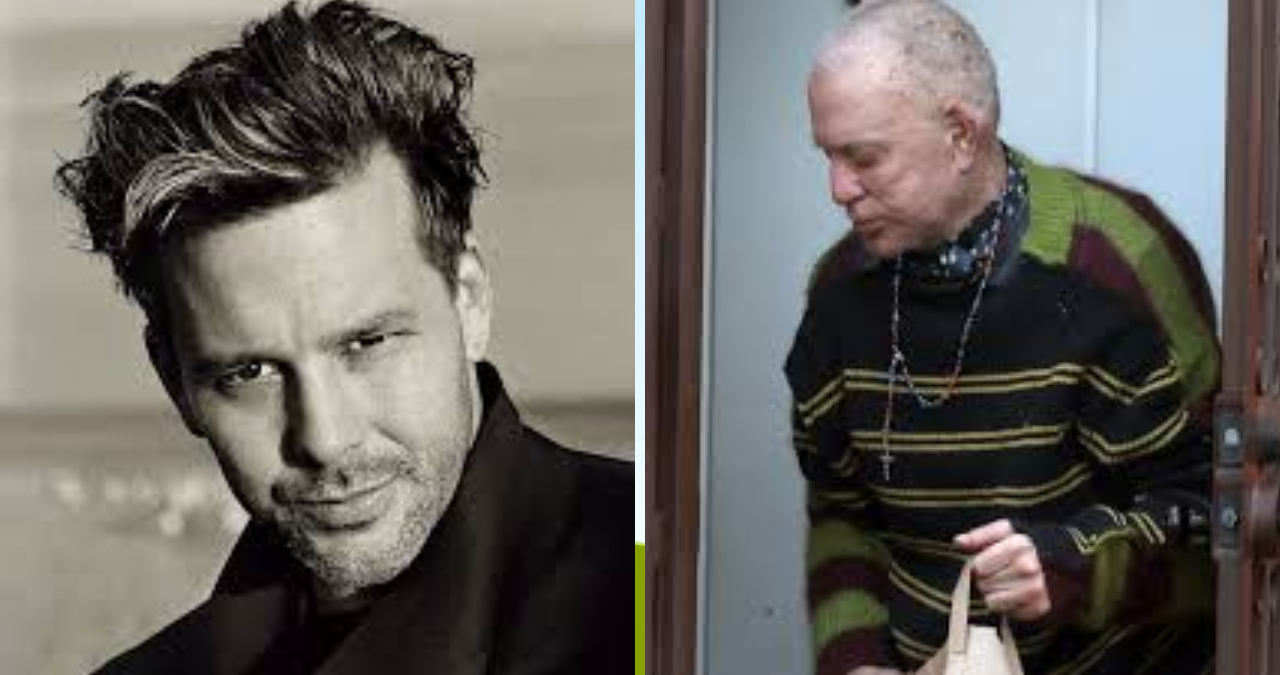
Searches for Mickey Rourke young photos are very common because his appearance changed so much over time. People are often surprised when they see images from his early career. In the 1980s, he looked very different from his later public image.
Old photos show a young man with natural beauty and strong movie-star presence. He had a soft face but a tough attitude. He could look elegant in formal photos and rugged in casual images.
The fascination is also emotional. People see young Mickey Rourke and think about what his career might have become if things had gone differently. His early photos carry a sense of promise, and that makes them powerful.
Young Mickey’s Rourke vs Older Mickey Rourke
The difference between young Mickey Rourke and older Mickey Rourke is dramatic, but both versions are important to his story. Young Rourke represented beauty, danger, and promise. Older Rourke represents survival, regret, toughness, and comeback.
In his younger years, he often played mysterious lovers, rebels, and outsiders. In later years, he became known for rougher, heavier, more damaged characters. His changed appearance helped him fit roles like Marv in Sin City and Randy “The Ram” Robinson in The Wrestler.
This transformation makes his career unusual. Many actors try to preserve their young image. Rourke’s career became partly about losing that image and finding a different kind of power.
Mickey Rourke’s Career Decline
Mickey Rourke’s early career had huge promise, but things became difficult. He developed a reputation for being hard to work with, and some of his film choices did not help his career. Hollywood is often unforgiving, especially when an actor is seen as unpredictable.
Rourke also struggled with fame. He did not seem comfortable fitting into the normal Hollywood system. He wanted control, independence, and authenticity, but those qualities sometimes created conflict with studios and directors.
Eventually, he moved away from acting and returned to boxing. This decision damaged his Hollywood momentum. By the time he returned to acting, the industry had changed, and his appearance had changed too.
Still, this decline is part of what makes his story so compelling. Mickey Rourke did not follow an easy path. His career has always been connected to risk.
Mickey Rourke’s Comeback
Mickey Rourke made a major comeback later in his career. One of the first big signs was Sin City, where he played Marv. His rough appearance and physical presence suited the comic-book noir style of the film. The role reminded audiences that Rourke still had power on screen.
His greatest comeback came with The Wrestler. In that film, he played an ageing professional wrestler dealing with pain, loneliness, and the remains of past fame. The role felt close to Rourke’s real life, which made the performance deeply emotional.
The Wrestler brought him awards attention and reminded the world of his acting talent. It showed that even after career damage, personal struggles, and physical transformation, Mickey Rourke could still deliver a powerful performance.
The Legacy of Young Mickey Rourke’s
The legacy of young Mickey Rourke is powerful because he changed what a leading man could feel like. He was not perfect, simple, or safe. He brought emotional damage into romantic roles and tenderness into dangerous characters.
His early performances influenced the image of the troubled male antihero. He helped create a style of masculinity that was quiet, broken, and intense. Many actors have tried to capture that same mix, but few have done it with the same natural feeling.
Young Mickey Rourke’s legacy is also a reminder that talent and beauty do not guarantee a smooth life. His career shows how personal choices, emotional struggles, and industry pressure can change everything.
Conclusion
Mickey Rourke young was one of the most unforgettable figures of 1980s Hollywood. He had the looks of a classic movie star, the body language of a boxer, and the emotional depth of a serious actor. His early roles in Diner, Rumble Fish, The Pope of Greenwich Village, 9½ Weeks, Angel Heart, and Barfly made him a unique presence on screen.
People continue to search for young Mickey Rourke because his early image was so striking and his life story became so dramatic. He was not just a handsome actor. He was a complicated performer shaped by boxing, pain, ambition, rebellion, and sensitivity.
His later transformation does not erase his early beauty or talent. Instead, it makes his story more layered. Mickey Rourke’s young years remain a fascinating chapter in Hollywood history, showing a star at the height of natural charisma before life, boxing, and hard choices changed everything
About the Author