A roof problem should always be handled carefully because the roof protects every part of the property beneath it. A small leak, loose tile, blocked gutter or damaged section may appear manageable at first, but the visible issue is not always the full problem. Water can travel through roof cavities, insulation, timber framing and ceiling spaces before it becomes noticeable indoors.
For this reason, property owners should understand the cause of the damage before arranging roof repairs or attempting a quick fix. A careful approach can help prevent repeated issues, reduce further damage and support safer long-term results.
Common Situations Where Roof Repairs Are Needed
Roof issues can develop gradually through age, weather exposure, poor drainage and general wear. In other cases, damage appears suddenly after heavy rain, strong winds, hail or fallen branches. Regardless of how the problem begins, early attention is important because small defects can allow moisture to enter areas that are difficult to inspect.
Leaks are among the most common reasons property owners seek roof work. They may first appear as ceiling stains, damp patches, peeling paint, mould or a musty smell in upper rooms. However, the location of the indoor stain does not always match the actual entry point. Water can travel along rafters or other roof components before dripping onto a ceiling, which makes identifying the source more complicated than simply repairing the area directly above the visible mark.
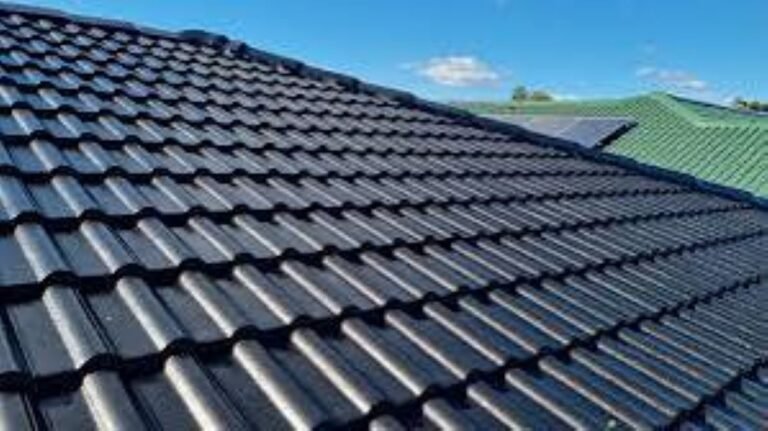
Broken, cracked, slipped, or missing tiles are another frequent concern. Even one damaged tile can expose the roof underlay to rain and wind-driven moisture. Over time, repeated weather exposure may cause tiles to become brittle, shift out of place or develop hairline cracks that are not visible from the ground. Metal roofing can experience similar problems through corrosion, loose screws, damaged sheets or poorly sealed joints.
Sagging sections should be treated more seriously. A roofline that appears uneven may indicate water damage, excessive debris weight, weakened rafters, truss issues or other structural concerns. Unlike a minor tile replacement, sagging can involve the roof frame and should be assessed before any repair decisions are made.
Gutter overflow is also easy to underestimate. When gutters and downpipes are blocked by leaves, dirt or debris, water can back up beneath roofing materials or overflow onto fascia boards, walls and foundations. This can create damage that extends beyond the roof itself.
Why Identifying the Cause Matters Before Starting Work
Fixing the visible symptom without finding the cause can lead to repeated problems. For example, replacing a cracked tile may not solve a leak if damaged flashing, a blocked valley or a failed seal around a roof penetration is allowing water inside. Similarly, cleaning overflowing gutters may provide only temporary relief if the gutters are poorly aligned, rusted or unable to drain properly.
Roof leaks commonly develop around flashing, valleys, skylights, chimneys, vents and other roof penetrations. These areas involve joins between materials and are more vulnerable to sealant deterioration, movement and water entry. A careful inspection helps determine whether the issue is isolated or part of a wider maintenance concern.
Understanding the cause also helps property owners make better decisions about cost and timing. A single broken tile may only need targeted roof repairs, while widespread cracking, deteriorated ridge capping or repeated leaks may indicate that more extensive work is necessary. Acting on assumptions can result in money being spent on repairs that do not last.
Temporary Fixes Versus Proper Repair Work
Temporary measures can be useful when immediate protection is needed. After a storm, for example, emergency covering may help reduce water entry until the roof can be inspected safely. A temporary covering can protect ceilings, insulation and belongings from further rain damage while arrangements are made for permanent work. However, it should not be treated as a complete repair.
Proper repair work addresses the underlying defect. This may involve replacing damaged tiles, securing metal sheets, repairing flashing, resealing penetrations, restoring ridge capping, repairing gutters or replacing deteriorated sections. The right approach depends on the roof type, the age of the materials, the extent of the damage and whether water has affected internal structures.
For this reason, roof repairs should focus on restoring the roof’s ability to shed water and protect the property over time, rather than only improving its immediate appearance. A patch that stops a drip for a few weeks may not prevent further moisture from reaching the roof cavity.
When Expert Help Is Needed
Some roof concerns require professional assessment because they involve safety risks or hidden damage. Roof access can be dangerous, particularly after rain or storm activity, and damaged materials may be unstable. Property owners should avoid climbing onto the roof to inspect suspected structural problems, loose sheets or broken tiles.
Expert help is particularly important when there are repeated leaks, widespread tile damage, visible sagging, rusted metal roofing, damaged flashing or signs of water damage inside the property. Damp insulation, ceiling stains, mould growth and bubbling paint may suggest that moisture has been entering the roof space for longer than expected.
Storm damage also requires prompt attention. High winds can lift tiles and sheets, while hail and fallen branches can create cracks or punctures that are not immediately obvious. A professional inspection can identify damage that may otherwise worsen during the next period of heavy rain.
A Proper Assessment Supports Safer Results
Roof problems are rarely improved by guesswork. While some issues may look minor from the ground, the real cause can be hidden beneath tiles, flashing, gutters or roof sheeting. Proper assessment allows property owners to understand the extent of the problem, choose suitable repair work and reduce the risk of repeat damage.
Addressing leaks, damaged tiles, drainage issues and storm-related defects early can help protect ceilings, insulation, timber, electrical systems and the overall condition of the property. A careful approach leads to safer and longer-lasting results than relying on temporary fixes alone.
Conclusion
Common roof problems should not be ignored or treated with guesswork. Leaks, cracked tiles, blocked gutters, damaged flashing, sagging areas, and storm-related defects can all lead to more serious damage when the underlying cause is missed.
Property owners should arrange a proper assessment before deciding on the best repair approach. Timely roof repairs can help protect the home, reduce repeated problems and prevent minor roof issues from becoming costly interior or structural damage.
FAQs
What are the first signs of a roof leak?
Common signs include ceiling stains, damp patches, peeling paint, mould, musty odours and water dripping during or after rain. The visible stain may not be directly below the source of the leak.
Can one broken roof tile cause a major problem?
Yes. A single broken or displaced tile can allow water into the roof cavity, particularly during heavy rain or strong winds. Prompt replacement can help prevent wider internal damage.
Why do gutters overflow even after being cleaned?
Overflow may continue if gutters are damaged, poorly aligned, rusted, undersized or connected to blocked downpipes. Cleaning removes debris, but it does not fix drainage or installation issues.
Is a sagging roof always serious?
A sagging roofline should always be assessed. It may be caused by water damage, weakened framing, excessive roof load or structural defects that require more than surface-level repairs.
Can a temporary roof cover stop a leak permanently?
No. Temporary covers can reduce water entry after damage, but they do not repair broken tiles, failed flashing, damaged sheeting or structural issues. Permanent work is still needed.
When should storm damage be inspected?
Storm damage should be inspected as soon as conditions are safe. Strong winds, hail and fallen debris can cause cracks, lifted materials and hidden water-entry points that may worsen with later rainfall.
About the Author