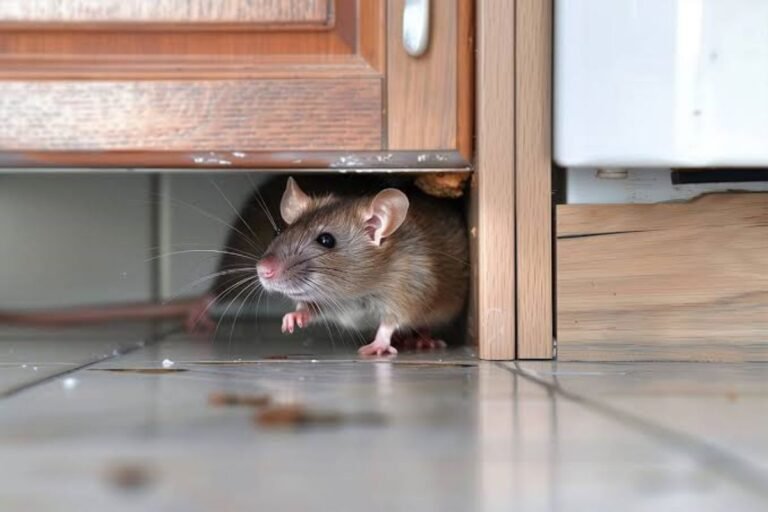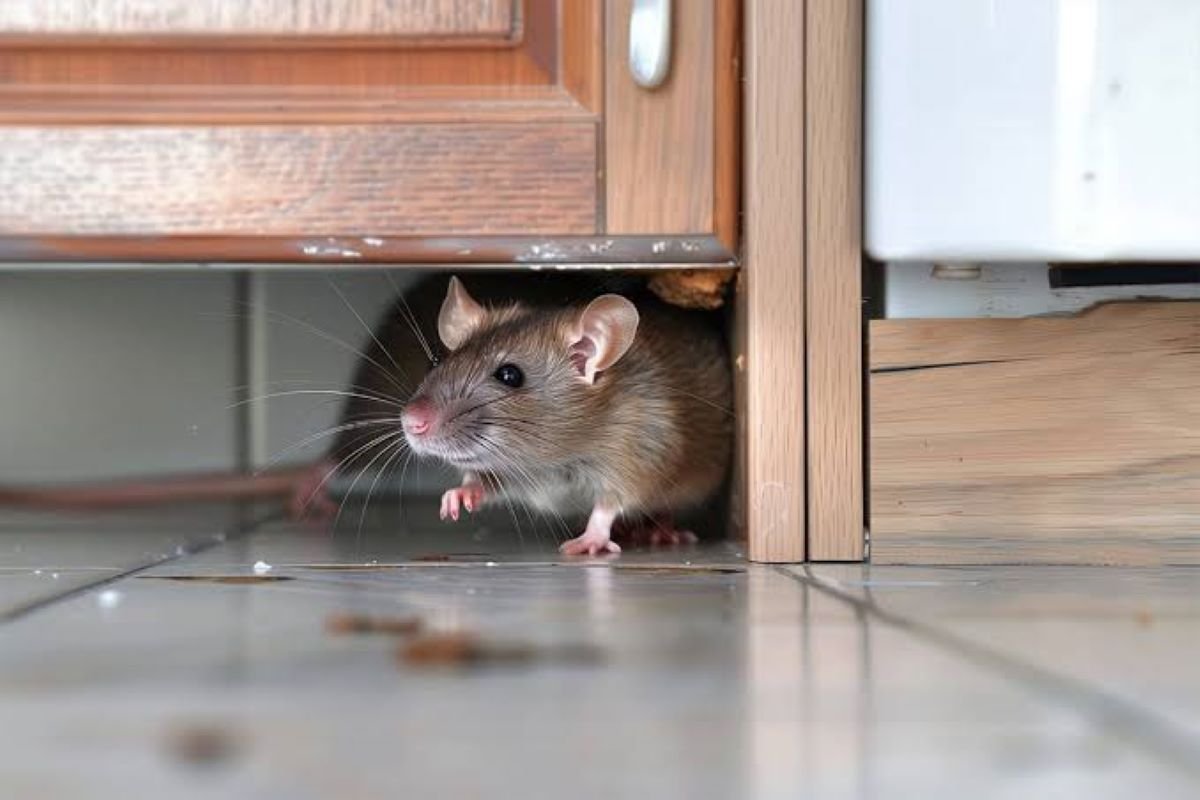
Rat problems often begin outside the home before they become noticeable indoors. Gardens, sheds, bins, compost areas, outdoor kitchens and storage spaces can all attract rats when food, water and shelter are available. At first, homeowners may only notice small signs, such as disturbed rubbish, movement near fences or droppings around outdoor areas.
While this may seem like a minor outdoor issue, rats can quickly move closer to the home. Once they find access points, warmth or reliable food sources, they may enter roof spaces, wall cavities, garages, kitchens and other indoor areas. Acting early can help prevent a small problem from becoming a much larger infestation.
Why Outdoor Rat Activity Should Not Be Ignored
Rats are highly adaptable pests. They can live around gardens, sheds, bins and drains while searching for food and shelter. Outdoor activity may increase when rubbish is easy to access, pet food is left outside, or overgrown vegetation provides hiding places.
Homeowners may assume that rats outside are not a serious concern if they have not entered the house. However, outdoor activity can be an early warning sign that rats are already close to the property. If conditions remain favourable, they may begin exploring gaps, vents, rooflines, pipes or damaged areas that lead indoors.
This is why early Rat Pest Control can be important when rats are first noticed around the property. Addressing the issue outside may reduce the chance of rats spreading into living areas.
How Rats Move Indoors
Rats often enter homes in search of food, warmth and shelter. During cooler weather, they may look for protected spaces such as roof voids, wall cavities and garages. During wet conditions, they may also move indoors to escape flooded burrows or damp outdoor areas.
These pests can squeeze through small openings and may enlarge gaps by gnawing. Entry points can include spaces around pipes, vents, doors, roof edges, drains and damaged building materials. Once inside, rats may build nests in insulation, storage boxes or quiet areas where they are unlikely to be disturbed.
Kitchens, pantries and laundries can also attract rats because they provide access to food scraps, water and warmth. If entry points and attractants are not addressed, rats may continue returning even after some individuals are removed.
Warning Signs Homeowners Should Watch For
Rats often remain hidden, so homeowners should pay attention to early warning signs. Droppings around sheds, garages, cupboards, roof spaces or bins are one of the clearest indicators of activity. These droppings may appear dark, narrow and scattered along travel paths.
Gnaw marks are another common sign. Rats may chew packaging, timber, plastic, wiring, insulation and stored items. Unpleasant smells can also develop where rats are nesting or leaving droppings and urine.
Scratching or scurrying noises in walls, ceilings or roof spaces are especially concerning. These sounds are often heard at night when rats are most active. If these signs appear, arranging Rat Pest Control early can help identify where rats are travelling and whether they have already entered the home.
Why Early Action Is Easier Than Handling a Larger Infestation
A small rat problem is usually easier to manage than a widespread infestation. Rats can breed quickly when food, shelter and water are available. If the problem is ignored, their numbers may increase, and they may spread into more areas of the property.
Delays can also lead to more damage. Rats may chew electrical wiring, insulation, timber, pipes, stored belongings and food packaging. This can create repair costs, hygiene concerns and safety risks. Once rats establish nesting areas indoors, treatment may become more difficult and disruptive.
Early Rat Pest Control helps reduce these risks by addressing activity before it becomes more established. It can also help identify conditions that are attracting rats, such as open bins, food sources, clutter or entry points.
Why Professional Support Matters
Professional support can provide a more complete approach than simply placing traps in visible areas. A proper inspection can help locate entry points, nesting sites, feeding areas and signs of damage. This makes it easier to understand the scale of the problem and the best way to manage it.
Professionals can also provide prevention advice, such as sealing gaps, improving rubbish storage, reducing outdoor shelter and removing easy food sources. These steps can make the property less attractive to rats and reduce the chance of future activity.
Simple traps may catch individual rats, but they may not solve the problem if new rats can keep entering or if nesting areas remain hidden. A thorough approach is often needed to stop the issue from continuing.
Conclusion
Rat activity around gardens, sheds, bins and outdoor areas should not be ignored. Rats can move indoors in search of food, warmth and shelter, creating problems in roof spaces, walls, garages, kitchens and storage areas. Warning signs such as droppings, gnaw marks, unpleasant smells and scratching noises should be taken seriously.
Acting early is usually easier, safer and more cost-effective than dealing with a larger infestation later. Homeowners should seek professional Rat Pest Control before the problem reaches living areas and becomes harder to manage.
About the Author