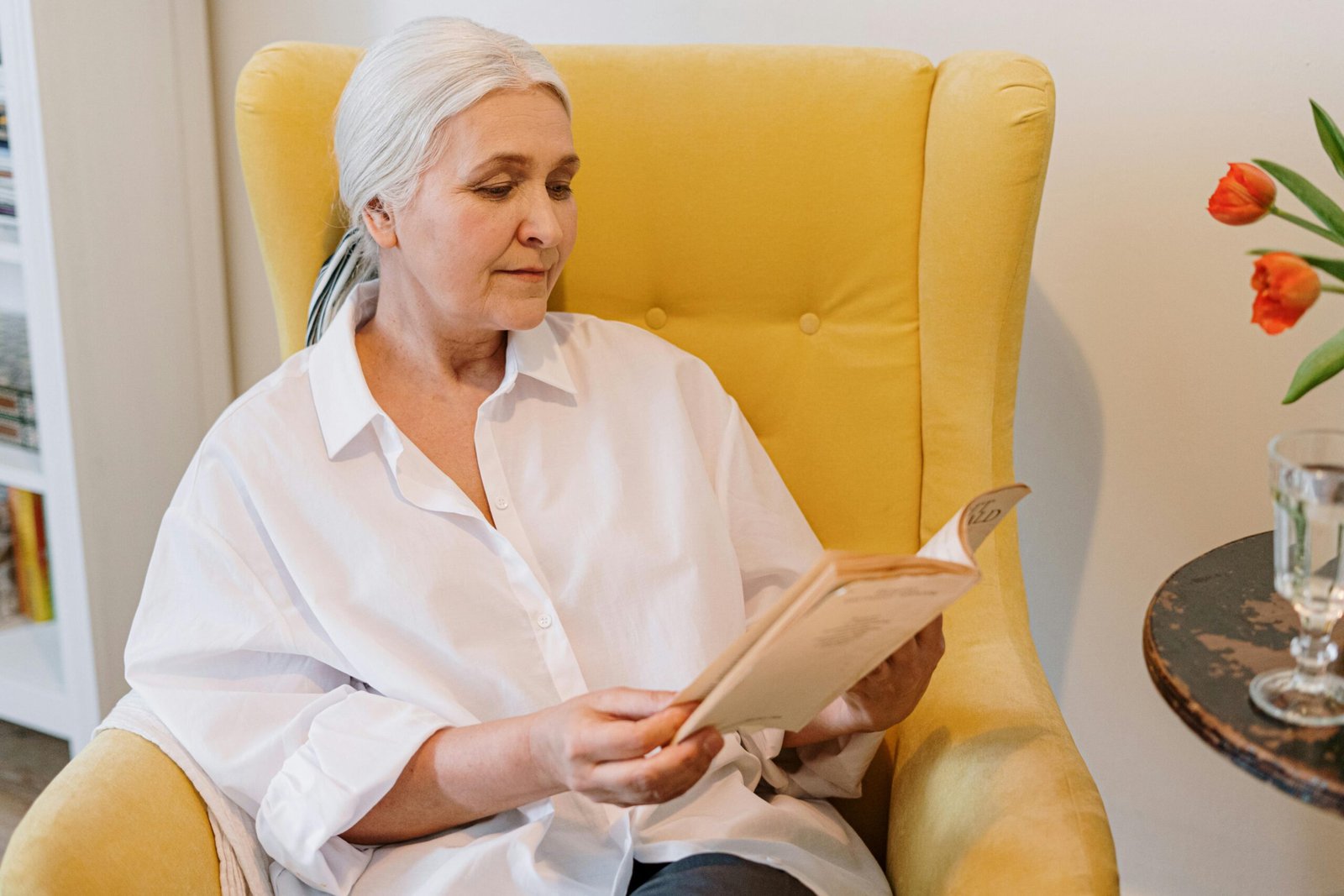
Everyday
Aging well isn’t about chasing youth or dramatically reinventing yourself. In real life, comfort and growth later in life are shaped by everyday habits—the small, repeatable choices that quietly support physical ease, emotional balance, and a continued sense of purpose. These habits don’t need to be complicated. In fact, the most powerful ones are often the simplest.
When daily life is designed with intention, comfort becomes natural and growth stays possible at every stage.
Start the Day With Gentle Structure
The way a day begins often sets the tone for how it unfolds. Later in life, mornings that are calm and predictable can reduce stress and create a sense of emotional grounding.
Simple rituals—like opening the curtains, enjoying a warm beverage, stretching lightly, or taking a short walk—offer consistency without rigidity. This gentle structure helps the mind transition into the day while giving the body time to wake up comfortably.
A good morning routine isn’t about productivity; it’s about orientation and ease.
Move the Body Without Pressure
One of the most supportive habits for long-term comfort is regular, gentle movement. This doesn’t mean intense workouts or strict fitness schedules. Instead, it looks like movement woven seamlessly into daily life.
Walking, stretching, light strengthening exercises, chores, and recreational activities all help maintain mobility, balance, and confidence. Movement also supports mood, circulation, and sleep—benefits that extend far beyond physical fitness.
The key is consistency, not intensity. Small amounts of movement, done often, keep the body engaged without strain.
Create Spaces That Encourage Relaxation
Physical surroundings play a huge role in daily comfort. Habits are easier to maintain when the environment supports them.
Comfortable seating, good lighting, clear walkways, and quiet rest areas encourage moments of pause throughout the day. When your space invites you to sit, breathe, and slow down, relaxation becomes a habit rather than a conscious effort.
These pauses help regulate the nervous
system and give the mind room to process experiences instead of rushing through them.
Stay Social in Low-Pressur.e Ways
Social connection is essential for emotional growth and long-term well-being—but it doesn’t need to feel exhausting or overwhelming.Later. in life, supportive habits often include
short, frequent interactions rather than long, high-energy commitments. Casual conversations, shared meals, group activities, or brief check-ins can all build connection without draining energy..
The goal is consistency, not obligation. When social connection feels accessible and organic, it becomes something to look forward to rather than something to manage.
Honor Energy Levels Throughout the Day
Listening to the body is one of the most important growth-oriented habits anyone can develop. Energy naturally fluctuates, and honoring those rhythms prevents burnout and frustration.
This might mean scheduling activities earlier in the day, building in rest periods, or recognizing when it’s time to slow down. Giving yourself permission to adjust expectations based on how you feel supports both comfort and emotional health.
Growth doesn’t come from pushing harder—it comes from responding wisely.
Keep the Mind Engaged Without Overload
Mental stimulation supports cognitive health and a sense of purpose, but it should feel nourishing rather than overwhelming.
Reading, puzzles, creative pursuits, learning something new, or engaging in thoughtful conversations all keep the mind active. Even small daily habits—like journaling or reflecting on current events—help maintain mental flexibility.
Balanced mental engagement creates curiosity without pressure, supporting lifelong growth.
Build Routines That Feel Familiar and Flexible
Routine brings comfort; flexibility supports growth. The most supportive daily habits blend both.
Eating meals at similar times, having regular sleep schedules, and following familiar patterns reduces cognitive strain. At the same time, leaving room for change—new activities, spontaneous plans, or quiet rest days—keeps life interesting and responsive.
This balance creates stability without stagnation.
Maintain a Sense of Purpose in Small Ways
Purpose doesn’t have to be grand. Often, it comes from daily habits that reinforce meaning.
Tending to plants, helping others, participating in group activities, mentoring, or simply showing up consistently all reinforce the idea that your presence matters. Purpose thrives when people feel needed, valued, and engaged.
Living environments such as The Capstone at Station Camp often emphasize daily rhythms and opportunities that support this sense of contribution—without pressure or performance.
Practice Gentle Reflection
Reflection doesn’t require silence, meditation, or formal practice. It happens naturally when space is created for it.
Pausing at the end of the day, recalling moments of gratitude, or simply noticing how you felt throughout the day helps integrate experience. Reflection supports emotional growth by allowing lessons, insights, and meaning to surface gently.
This habit strengthens self-awareness and encourages intentional living.
Prioritize Comfort Without Guilt
One of the most important habits later in life is letting go of the idea that comfort equals complacency. Comfort is not a weakness—it’s a foundation.
Comfortable clothing, supportive furniture, quiet environments, and familiar routines reduce unnecessary stress. When comfort is prioritized, energy becomes available for connection, curiosity, and growth.
Growth flourishes where people feel safe.
Let Habits Evolve With You
Finally, the most sustaining habit of all is adaptability. As needs, interests, and abilities change, habits should evolve too.
Letting go of outdated expectations and embracing what works now supports dignity and confidence. Growth later in life isn’t about maintaining the past—it’s about honoring the present.
Conclusion
Everyday habits quietly shape comfort and growth later in life. Through gentle movement, meaningful connection, restful routines, and supportive environments, daily life becomes both manageable and fulfilling.
These aren’t dramatic changes—they’re intentional choices repeated over time. And together, they create a life that feels grounded, capable, and open to continued growth, no matter the season.
About the Author